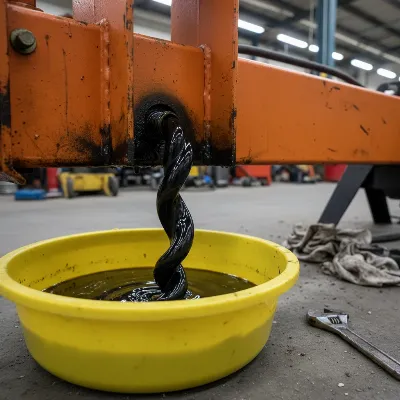
As the chill of winter approaches, preparing your outdoor power equipment for the cold season is essential for longevity and reliable performance. Your gas log splitter, a robust tool that makes quick work of firewood processing, is particularly vulnerable to the harsh effects of freezing temperatures and prolonged inactivity if not properly winterized. Neglecting this crucial seasonal maintenance can lead to costly repairs, operational failures, and a frustrating start to the next splitting season. This comprehensive guide will walk you through every step needed to safely and effectively winterize your gas log splitter, ensuring it remains in peak condition, ready to tackle logs when spring arrives.
Log Splitter: Understanding Your Equipment for Winter Preparation
A log splitter is a powerful mechanical device designed to split logs into smaller pieces, typically for firewood, by using hydraulic pressure to force a wedge through the wood. Gas-powered models, common for their mobility and strength, comprise several key systems—the engine, hydraulic system, frame, and wheels—all of which require specific attention before winter storage. Understanding these components is the first step toward effective winterization. The engine provides the power, the hydraulic system delivers the splitting force, while the frame supports the structure, and wheels allow for transport. Each of these parts needs protection from moisture, corrosion, and extreme cold to prevent damage during hibernation.
Detailed Classification of Log Splitter Components for Winter Care
When preparing your log splitter for winter, it’s beneficial to think about the distinct systems that require care, as their needs can vary slightly based on their design and function.
By Power Source: Gas, Electric, and Manual Considerations
|
Our Picks for the Best Log Splitter in 2026
As an Amazon Associate I earn from qualifying purchases.
|
||
| Num | Product | Action |
|---|---|---|
| 1 | KABIN Kindle Quick Compact Log Splitter - Manual Splitting Tool - Steel Wedge Point Splits Firewood Like A Boss Safely & Easily |

|
| 2 | Kindling Cracker Firewood Kindling Splitter — Original Cast Iron Wood Splitting Wedge, 6.5" Safety Ring, 12" Frame, No Axe Needed, New Zealand Designed & Australian Made |
|
| 3 | Firewood Kindling Splitter, Manual Log Splitter, Cast Iron Log Splitting Wedge, Heavy Duty Wood Splitter Tool with Cover (Black) |
|
| 4 | Wall Mounted Wood Splitter: Dual-Handle Manual Kindling Splitter with 6-Tooth Clamping, Heavy Duty Steel Log Splitter for Soft Firewood, Includes Gloves and Screws for Indoor and Outdoor Use |
|
| 5 | Wood Kindling Splitter - The Firewood Kindling Tool for Wood Stove Fireplace and Fire Pit |
|
| 6 | ESTWING Sure Split Wedge - 5-Pound Wood Splitting Tool with Forged Steel Construction & 1-7/8" Cutting Edge - E-5 |
|
| 7 | 13.8 Inch XL Manual Log Splitter with Self-Locking V-Blade for Hands-Free Safety - Unbreakable Welded Steel Firewood Cutter - Rust-Proof Electroplated Finish for Large Rounds, Fireplace & Camping |
|
| 8 | Firewood Kindling Splitter for Wood, Heavy Duty Cast Iron Wood Splitters for Firewood with No Axe, Manual Log Splitter for Kindling Wedge Point with Safety Cover |
|
| 9 | Kindling Cracker King XL Firewood Kindling Splitter – Extra-Large Cast Iron Wood Splitting Wedge, 9" Safety Ring, 17" Height, No Axe Needed, Made in Australia |
|
| 10 | 2 Pcs 4 Lbs Wood Splitting Wedges Manual Log Splitter Wedge 4-Direction Diamond Design Forged Steel Tool for Easy Wood Splitting Splits Firewood into 4 Pieces Less Effort (Orange) |
|
Gas-powered log splitters, our primary focus, demand the most extensive winterization due to their internal combustion engines and hydraulic systems. Electric splitters, while simpler, still benefit from cleaning and proper storage. Manual splitters require basic cleaning and lubrication to prevent rust.
By Size and Capacity: Impact on Winterization
Whether you own a small residential unit or a larger, more powerful industrial model, the fundamental winterization steps remain consistent, though the scale of the task may differ. Larger machines may have more complex hydraulic systems or require more significant fluid volumes, while smaller units might be easier to move into sheltered storage.
By Splitting Orientation: Storage Implications
Log splitters typically operate in either horizontal or vertical orientations. While the splitting direction doesn’t directly impact internal winterization, it can influence how you clean and store the machine. Ensuring the ram is fully retracted and all metal surfaces are lubricated is vital, regardless of orientation, to prevent rust and maintain component integrity during storage.
Comparative Overview of Winterization Steps for Common Log Splitter Systems
Different parts of your gas log splitter have unique requirements for winterization. Here’s a comparative look at the care needed for the engine, hydraulic system, and structural components.
| Component System | Key Winterization Tasks | Why It Matters |
|---|---|---|
| Engine | Drain fuel completely or add fuel stabilizer, run engine dry. Change engine oil (winter-grade/synthetic). Disconnect spark plug. Cover exhaust/intake. Remove/charge battery. | Prevents fuel degradation, carburetor clogging, corrosion, accidental starts, and ensures easier startup next season. Protects battery health in cold. |
| Hydraulic | Check fluid levels, inspect hoses/seals for cracks. Consider draining fluid for long-term storage or using winter-grade fluid if operating in cold. Bleed air from cylinder. Retract ram fully. | Prevents fluid thickening, system strain, leaks, and damage to pump and seals. Ensures full splitting force and prevents rust on exposed ram components. |
| Structural | Clean thoroughly. Lubricate all moving metal parts (wedge, beam, ram). Check tire pressure. Store in dry, covered, elevated area. Use a breathable cover. | Prevents rust, corrosion, and pest infestations. Maintains tire integrity. Protects frame and moving parts from elements and moisture, ensuring smooth operation next season. |
Guide to Preparing Your Gas Log Splitter for Winter Storage
Proper winterization is a detailed process that safeguards your investment. Here’s a step-by-step guide to preparing your gas log splitter for its off-season hibernation.
Assessing Your Winterization Needs
Before you begin, consider how long the splitter will be stored and the typical climate conditions in your area. If you anticipate extreme cold or extended storage (more than a few months), more thorough steps like draining fuel and hydraulic fluid might be necessary. For shorter storage or milder climates, fuel stabilizer and general lubrication might suffice.
Key Factors for Effective Winterization
- Fuel System Care:
- Option 1 (Drain): For long-term storage, the safest bet is to drain the fuel tank completely and then run the engine until it sputters and dies, ensuring the carburetor is dry. This prevents stale fuel from gumming up the system.
- Option 2 (Stabilize): If you prefer to leave fuel in, add a high-quality fuel stabilizer, such as Sta-Bil, and run the engine for 10-15 minutes to circulate the treated fuel throughout the system. This can keep fuel fresh for up to two years.
- Engine Oil Change: Change the engine oil and oil filter (if applicable) according to your manufacturer’s recommendations or if it’s due. Use fresh, clean oil, possibly a winter-grade or synthetic option, which flows better in cold temperatures.
- Hydraulic System Maintenance:
- Fluid Check: Verify the hydraulic fluid level. If the fluid looks dirty or has been in use for an extended period, consider replacing it.
- Winter-Grade Fluid: If you plan on occasional use in very cold weather, consider switching to a low-viscosity, winter-grade hydraulic fluid to prevent thickening, which can strain the pump and slow operation.
- Bleed Air: Bleed any trapped air from the hydraulic cylinder to maintain efficiency.
- Ram Retraction: Fully retract the hydraulic ram into the cylinder before storage. This protects the polished ram surface from rust and damage.
- Spark Plug & Air Filter: Disconnect the spark plug wire to prevent accidental starts. Consider removing and inspecting the spark plug for wear, replacing it if necessary. Inspect and clean or replace the air filter, as pests often find these housings attractive for nesting.
Evaluating Additional Protective Measures
- Battery Care: For electric-start models, remove the battery and store it in a warm, dry place. Connect it to a trickle charger or maintenance float charger to keep it optimally charged through the winter. Clean battery terminals to prevent corrosion.
- Lubrication: Thoroughly clean the splitting wedge, ram, and beam. Apply a generous coat of light oil or grease to all exposed metal parts, especially where the wedge slides along the beam and the ram. This prevents rust and corrosion.
- Tire Maintenance: Check the tire pressure and inflate to the recommended PSI. Inspect tires for cracks or damage. Consider elevating the splitter to take weight off the tires, preventing flat spots during long storage.
- Covers and Storage Location: Store your log splitter in a dry, covered area such as a garage, shed, or barn. If outdoor storage is unavoidable, use a heavy-duty, weatherproof, breathable cover to protect it from rain, snow, and sun while preventing condensation. Elevate the machine off the ground to prevent moisture absorption.
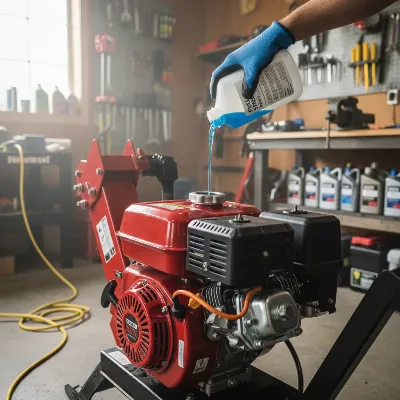 A gas log splitter engine being prepared for winter storage, with fuel stabilizer being added to the tank.
Top Winterization Tips for Gas Log Splitters
To ensure your gas log splitter is fully prepared for the off-season, consider these expert tips that go beyond the basics:
- Label Everything: Use masking tape to label the date you winterized the machine and any specific instructions for de-winterization. This small step can save time and prevent errors when spring arrives.
- Pest Prevention: Cover the exhaust and air intake to prevent pests like rodents from nesting in the engine components. Additionally, placing mothballs or dryer sheets around the machine can deter unwanted visitors.
- Moisture Control: If storing in an unheated area, consider placing silica gel packs under the cover to absorb excess moisture, protecting metal components from rust.
- Manual Reference: Always refer to your specific log splitter’s owner’s manual for precise instructions regarding fluid types, capacities, and maintenance schedules. Manufacturer guidelines are paramount.
- Pre-Season Checklist: Create a simple checklist for reversing the winterization steps when you’re ready to use the splitter again in the spring.
“Winterizing your log splitter isn’t just about protecting metal; it’s about preserving your peace of mind and ensuring that when you’re ready to split wood again, your machine is too. Skipping these steps can turn a simple task into a frustrating repair bill.” – Reviewsmenia.com Admin, Log Splitter Technician
Safe Operation and Maintenance of Your Log Splitter During Winter Preparation
Safety is paramount during any maintenance procedure, especially when dealing with a gas-powered machine. Adhering to strict safety protocols during winterization protects you and your equipment.
Safety First When Winterizing
Always wear appropriate personal protective equipment (PPE), including safety glasses, sturdy gloves, and closed-toe footwear, to protect against splashes, sharp edges, and heavy components. Ensure the engine is off and cooled down, and disconnect the spark plug wire to prevent any accidental starts while you are working on the engine or hydraulic system. Work in a well-ventilated area, especially when draining fuel or other fluids.
Routine Checks for Winter Storage
After completing the winterization steps, perform a final visual inspection. Check all hoses, connections, and fasteners to ensure they are secure and free from damage or leaks. Confirm that all fluid caps are tightened, and any drain plugs are securely in place. Take note of any parts that appear worn or damaged, so you can address them before the next splitting season.
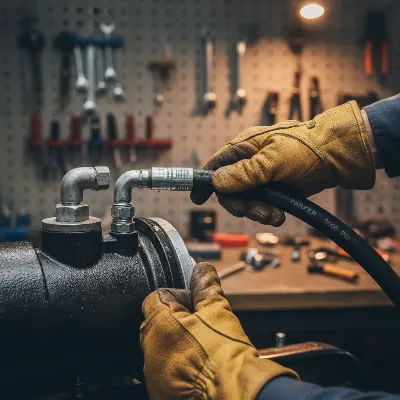 A close-up, detailed photo of a person checking the hydraulic hoses of a log splitter for cracks or wear during winterization.
Where to Find Reliable Winterization Supplies for Your Log Splitter?
Acquiring the right supplies is crucial for effective winterization. You can typically find quality products at:
- Local Hardware Stores: These stores often carry a range of small engine oils, fuel stabilizers, hydraulic fluids, and general lubricants.
- Automotive Supply Stores: Excellent sources for engine oil, fuel stabilizers, battery tenders, and specialized cleaning supplies.
- Outdoor Power Equipment Dealerships: Authorized dealers for your log splitter brand can provide brand-specific or recommended fluids and parts, ensuring compatibility and quality.
- Online Retailers: Websites specializing in outdoor power equipment or general e-commerce platforms offer a vast selection of winterization products, often with competitive pricing.
When purchasing, always double-check product specifications against your log splitter’s owner’s manual to ensure compatibility, especially for engine oil viscosity and hydraulic fluid types.
Conclusion
Properly winterizing your gas log splitter is an investment in its longevity and your peace of mind. By diligently following these steps—from meticulously preparing the fuel and hydraulic systems to ensuring proper storage—you protect your equipment from the damaging effects of cold weather, moisture, and inactivity. This proactive approach not only prevents rust and component degradation but also guarantees that your log splitter will fire up reliably and perform efficiently when you need it most. Don’t let winter catch you off guard; give your log splitter the care it deserves, and it will serve you faithfully for many splitting seasons to come. What steps will you take this year to ensure your log splitter is ready for winter’s embrace?
Câu Hỏi Thường Gặp
How often should I change the hydraulic fluid in my log splitter?
It’s generally recommended to change hydraulic fluid once a year or as specified in your log splitter’s owner’s manual. However, if you notice the fluid looks cloudy or dirty, it’s wise to change it sooner to prevent system damage.
Can I leave gasoline in my log splitter over the winter?
It is not recommended to leave untreated gasoline in your log splitter over winter as it can degrade, leading to carburetor clogging and engine problems. Either drain the fuel completely or use a high-quality fuel stabilizer, ensuring it circulates through the system before storage.
What kind of oil should I use for winterizing my log splitter’s engine?
Always refer to your log splitter’s owner’s manual for the specific engine oil recommendations. Generally, a winter-grade or synthetic engine oil is preferred for cold weather as it maintains better fluidity at lower temperatures, facilitating easier starting and reducing wear.
Is it necessary to cover my log splitter during winter storage?
Yes, covering your log splitter is highly recommended, even if stored indoors. A breathable, weatherproof cover protects the machine from dust, moisture, and potential pests. If stored outdoors, a durable, waterproof cover is essential to shield it from rain, snow, and UV rays, preventing rust and wear.
How do I prevent rust on my log splitter during the off-season?
To prevent rust, thoroughly clean your Log Splitter to remove all dirt and sap. Then, apply a light coat of rust-resistant oil or grease to all exposed metal surfaces, especially the splitting wedge, ram, and beam. Storing the machine in a dry, covered environment and potentially using moisture-absorbing packets also helps.