An overheating log splitter typically indicates issues within its hydraulic or engine system, often caused by low or contaminated hydraulic fluid, worn components, air in the lines, or improper operation. Addressing these issues promptly, such as checking fluid levels, clearing debris, and avoiding prolonged bypass valve engagement, is crucial for maintaining optimal performance and preventing costly damage. Most hydraulic fluids operate optimally between 130°F to 140°F (54°C to 60°C), with temperatures above 180°F (82°C) considered too hot.
Understanding Log Splitter Overheating: Causes and Risks
Overheating in a log splitter primarily refers to the hydraulic fluid reaching excessive temperatures, though engine overheating can also occur. The hydraulic system is the core of your splitter, using pressurized fluid to generate the immense force needed to split wood. When this fluid gets too hot, it loses viscosity, reducing lubrication and increasing friction throughout the system.
Primary Causes of Heat Generation
Several factors can contribute to a log splitter overheating, often stemming from inefficiencies or wear within the system.
- Hydraulic System Inefficiencies: The fundamental reason for hydraulic system overheating is inefficiency. Any power lost through the pump, valves, plumbing, or actuators is converted into heat. If the heat generated exceeds the system’s capacity to dissipate it, temperatures will rise.
- Low Hydraulic Fluid Level: An insufficient amount of hydraulic fluid in the reservoir means the existing fluid works harder and circulates faster, giving it less time to cool down. This directly leads to a rapid increase in temperature.
- Contaminated Hydraulic Fluid: Dirt, sludge, water, or debris in the hydraulic fluid forces the system to work harder to compensate for these contaminants. This increased effort generates additional heat and accelerates wear on components.
- Worn Components: As hydraulic components like the pump, motor, or cylinder seals degrade, they develop increased internal leakage. This makes the system work harder to maintain pressure, converting more energy into heat.
- Air in the Hydraulic System: Air trapped within the hydraulic lines can cause erratic operation and reduced power. The compression and decompression of air bubbles generate heat and can lead to cavitation, further increasing temperatures and component wear.
- Clogged Cooling Systems: Many log splitters rely on ambient airflow around the hydraulic reservoir or dedicated cooling fins/radiators to dissipate heat. If these are blocked by dirt, sawdust, or debris, airflow is restricted, hindering heat transfer.
- Incorrect or Degrading Hydraulic Oil: Using the wrong grade of hydraulic oil, or oil that has broken down over time, can lead to inadequate lubrication and increased friction. Cheaper oils may also have lower heat resistance properties.
- Restrictive Plumbing: Poorly designed hydraulic lines, such as those with too small a diameter or numerous sharp 90-degree fittings instead of smoother sweep fittings, can create excessive pressure drops. This restriction forces the oil to “squeeze” through tighter spaces, generating significant heat.
- Improper Operation: Holding the control lever in the bypass or relief valve position for extended periods, or continually trying to split logs that are too large or too hard for the machine’s capacity, puts undue strain on the hydraulic system, leading to rapid heat buildup.
Identifying Overheating: Symptoms and Safe Temperatures
Recognizing the signs of an overheating log splitter is essential for timely intervention and preventing severe damage.
Typical symptoms of an overheating log splitter include:
- Sluggish or Weak Operation: The ram moves slower than usual, or the splitter struggles to cut through logs it would normally handle with ease.
- Burning Smell: A distinct burning odor, often resembling burnt oil or rubber, indicates components are getting too hot.
- Hot to the Touch: The hydraulic tank, lines, or cylinder become excessively hot to the touch. While some warmth is normal, it should not be so hot that you cannot comfortably keep your hand on it.
- Fluid Leaks: High temperatures can cause seals to degrade and crack, leading to hydraulic fluid leaks around hoses, fittings, or the cylinder.
- Unusual Noises: The pump may sound louder or emit a whining noise, especially as the oil becomes thinner due to excessive heat.
Understanding safe operating temperatures for hydraulic oil is critical. Most hydraulic fluids are designed to operate optimally between 130°F to 140°F (54°C to 60°C). Temperatures consistently above 180°F (82°C) are generally considered too hot and can damage seal compounds, accelerate oil degradation, and lead to premature component failure. While some systems might tolerate up to 200°F (93°C), it’s best to aim for temperatures well below this threshold. Using an infrared thermometer (heat gun) is an excellent DIY tool to accurately monitor your hydraulic oil and component temperatures.
Fast DIY Solutions to Cool Down an Overheating Log Splitter
If your log splitter starts to overheat during operation, immediate action can prevent further damage. Here are some fast DIY steps to cool it down.
Immediate Actions
|
Our Picks for the Best Log Splitter in 2026
As an Amazon Associate I earn from qualifying purchases.
|
||
| Num | Product | Action |
|---|---|---|
| 1 | Wall Mounted Wood Splitter: Dual-Handle Manual Kindling Splitter with 6-Tooth Clamping, Heavy Duty Steel Log Splitter for Soft Firewood, Includes Gloves and Screws for Indoor and Outdoor Use |

|
| 2 | ESTWING Sure Split Wedge - 5-Pound Wood Splitting Tool with Forged Steel Construction & 1-7/8" Cutting Edge - E-5 |
|
| 3 | 2 Pcs 4 Lbs Wood Splitting Wedges Manual Log Splitter Wedge 4-Direction Diamond Design Forged Steel Tool for Easy Wood Splitting Splits Firewood into 4 Pieces Less Effort (Orange) |
|
| 4 | KABIN Kindle Quick Compact Log Splitter - Manual Splitting Tool - Steel Wedge Point Splits Firewood Like A Boss Safely & Easily |
|
| 5 | Wood Kindling Splitter - The Firewood Kindling Tool for Wood Stove Fireplace and Fire Pit |
|
| 6 | 13.8 Inch XL Manual Log Splitter with Self-Locking V-Blade for Hands-Free Safety - Unbreakable Welded Steel Firewood Cutter - Rust-Proof Electroplated Finish for Large Rounds, Fireplace & Camping |
|
| 7 | Firewood Kindling Splitter for Wood, Heavy Duty Cast Iron Wood Splitters for Firewood with No Axe, Manual Log Splitter for Kindling Wedge Point with Safety Cover |
|
| 8 | Kindling Cracker Firewood Kindling Splitter — Original Cast Iron Wood Splitting Wedge, 6.5" Safety Ring, 12" Frame, No Axe Needed, New Zealand Designed & Australian Made |
|
| 9 | Firewood Kindling Splitter, Manual Log Splitter, Cast Iron Log Splitting Wedge, Heavy Duty Wood Splitter Tool with Cover (Black) |
|
| 10 | Kindling Cracker King XL Firewood Kindling Splitter – Extra-Large Cast Iron Wood Splitting Wedge, 9" Safety Ring, 17" Height, No Axe Needed, Made in Australia |
|
- Stop Operation and Shut Down: As soon as you suspect overheating, stop splitting logs and shut off the engine. Allow the machine to sit and cool down completely. This is the most crucial first step.
- Check Fluid Levels: While the machine cools, visually inspect the hydraulic fluid reservoir. If the level is low, add the manufacturer-recommended hydraulic fluid to the proper mark. Low fluid is a common cause of rapid heat buildup.
- Clear Debris from Cooling Areas: Inspect the engine’s cooling fins, radiator (if applicable), and the area around the hydraulic reservoir. Clear any accumulated sawdust, leaves, dirt, or other debris that might be obstructing airflow and hindering heat dissipation.
Quick Checks & Adjustments
Once the machine has cooled sufficiently, you can perform these quick checks before restarting.
- Look for Obvious Leaks: Inspect all hydraulic hoses, fittings, and the cylinder for any visible leaks. Even a small leak can indicate a loss of fluid or a compromised seal, which can contribute to overheating. Tighten any loose fittings.
- Bleed Air from the Hydraulic System: If your splitter has a bleed valve (often located on the hydraulic tank), open it while slowly cycling the ram back and forth. This helps release any trapped air, which can cause heat and erratic operation. Ensure the fluid level remains adequate during this process.
- Adjust Engine RPM: Some users find that running the engine at a slightly lower RPM, just enough to maintain splitting power, can reduce overall heat generation in the hydraulic system. Experiment with your machine’s optimal operating speed, but ensure the engine itself is still running efficiently and not bogging down.
- Avoid Prolonged Bypass Valve Engagement: When the ram reaches the end of its stroke or encounters an un-splittable log, the hydraulic system often goes into bypass mode, sending fluid through a relief valve. Holding the lever in this position for extended periods generates a lot of heat. Release the lever as soon as the log is split or if the ram stalls.
Long-Term Prevention and Maintenance for Optimal Cooling
Preventative maintenance is key to avoiding overheating issues and extending the life of your log splitter. Regular checks and proactive measures can keep your machine running efficiently.
Hydraulic Fluid Management
- Regular Fluid Checks and Changes: Check your hydraulic fluid level before each use. More importantly, change your hydraulic fluid according to the manufacturer’s schedule, typically every 50-100 hours of operation or annually. Fresh, clean oil maintains optimal viscosity and lubrication, reducing friction and heat.
- Use the Correct Hydraulic Fluid Type: Always use the type and viscosity of hydraulic fluid recommended in your log splitter’s owner’s manual. Using an incorrect fluid can lead to poor performance, increased heat, and potential damage.
- Improve Filtration: Ensure your hydraulic system’s filter is clean and replace it regularly. A good filter prevents contaminants from circulating and causing wear and heat. Consider upgrading to a finer filter if contamination is a recurring issue.
System Integrity and Efficiency
- Inspect and Replace Worn Components: Periodically check your hydraulic pump, hoses, and seals for signs of wear, cracks, or damage. Worn parts, especially a failing pump or leaking cylinder seals, generate excessive heat and must be replaced to restore efficiency.
- Check Relief Valve Settings: An improperly adjusted relief valve can cause the system to operate under constant high pressure, leading to significant heat generation. If you suspect an issue, consult your manual or a professional for correct adjustment.
- Upgrade Restrictive Fittings and Hoses: For DIY enthusiasts, examining your splitter’s hydraulic lines can reveal areas for improvement. Replacing small-diameter lines or sharp 90-degree elbows with larger diameter hoses and “Hy-Flow” or sweep fittings can significantly reduce pressure drop and heat.
- Ensure Proper Reservoir Airflow: Design your workspace to allow adequate airflow around the hydraulic reservoir. Avoid enclosing it or stacking items that block ventilation.
Operational Best Practices
- Match Log Size and Type to Splitter Capacity: Do not attempt to split logs that exceed your machine’s rated capacity in terms of diameter or length, or extremely tough, knotty, or green wood. Pushing the splitter beyond its limits is a guaranteed way to induce overheating.
- Take Regular Breaks: During extended splitting sessions, particularly in warm weather, allow your log splitter to rest and cool down periodically. Short breaks can prevent the hydraulic oil from reaching critical temperatures.
Enhancing Your Log Splitter’s Cooling Capacity (Advanced DIY)
For those looking to significantly improve their log splitter’s thermal management, more advanced DIY modifications can be considered.
- Increasing Reservoir Size: A larger hydraulic fluid reservoir provides more volume for the oil, allowing it to spend more time cooling before being recirculated. It also offers a greater surface area for heat dissipation. This modification might involve fabricating or installing an auxiliary tank.
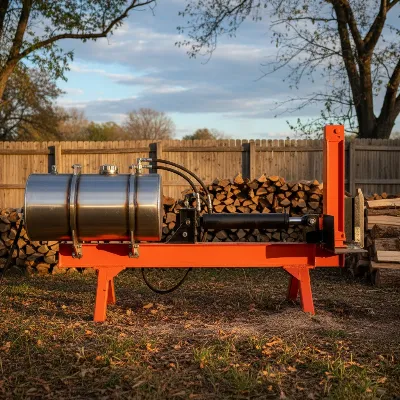 A log splitter with a significantly larger hydraulic oil reservoir to improve cooling.
- Adding an Oil Cooler: Installing an external hydraulic oil cooler can dramatically reduce fluid temperatures. These coolers typically consist of a heat exchanger and a fan, actively drawing heat away from the hydraulic fluid. This is a more complex modification but highly effective for heavy-duty use or persistent overheating problems.
“Overheating is often a symptom of underlying hydraulic inefficiency. Addressing the root cause, whether it’s low fluid, worn components, or restrictive plumbing, is more effective than just trying to cool a struggling system.” – John Smith, Hydraulic Systems Expert
Conclusion
An overheating log splitter is a clear signal that something isn’t right within its hydraulic or engine system. By understanding the common causes, recognizing the symptoms, and implementing both fast DIY fixes and a consistent preventative maintenance schedule, you can protect your investment and ensure your log splitter operates efficiently and safely for years to come. From simple checks like fluid levels and debris removal to more involved tasks like changing oil and inspecting components, proactive care is your best defense against thermal breakdown. Don’t let a hot hydraulic system slow down your firewood production; take action and keep your splitter cool.
What steps will you take today to ensure your log splitter runs at its optimal temperature?
Frequently Asked Questions
What causes a log splitter to get hot?
Log splitters typically overheat due to inefficiencies in the hydraulic system, such as low or contaminated fluid, worn-out components (pump, seals), air in the lines, restrictive plumbing, or improper operation like holding the bypass valve too long. These factors generate excess heat that the system cannot dissipate effectively.
What is the normal operating temperature for a log splitter?
The optimal operating temperature for hydraulic fluid in a log splitter is generally between 130°F to 140°F (54°C to 60°C). Temperatures exceeding 180°F (82°C) are considered too hot and can lead to damage to seals and degradation of the hydraulic oil, shortening the lifespan of your machine.
Can I add an oil cooler to my log splitter?
Yes, for persistent overheating issues or heavy-duty use, you can add an external hydraulic oil cooler to your log splitter. This involves installing a heat exchanger and often a fan into the hydraulic circuit to actively reduce fluid temperatures. It’s an advanced DIY modification that significantly enhances cooling capacity.
How often should I change hydraulic fluid in my log splitter?
It is generally recommended to change your log splitter’s hydraulic fluid every 50-100 hours of operation or at least once a year, whichever comes first. Regular fluid changes ensure optimal lubrication and prevent the breakdown of the fluid’s heat-dissipating properties, which helps avoid overheating.
Why is my log splitter losing power and overheating?
A log splitter losing power while overheating often points to issues within the hydraulic system. Common culprits include critically low hydraulic fluid levels, air trapped in the hydraulic lines, significant internal leakage from worn components like the pump or cylinder seals, or severe contamination of the hydraulic fluid. These problems reduce efficiency, creating more heat and less force.
Frequently Asked Questions
What causes a log splitter to get hot?
Log splitters typically overheat due to inefficiencies in the hydraulic system, such as low or contaminated fluid, worn-out components (pump, seals), air in the lines, restrictive plumbing, or improper operation like holding the bypass valve too long. These factors generate excess heat that the system cannot dissipate effectively.
What is the normal operating temperature for a log splitter?
The optimal operating temperature for hydraulic fluid in a log splitter is generally between 130u00b0F to 140u00b0F (54u00b0C to 60u00b0C). Temperatures exceeding 180u00b0F (82u00b0C) are considered too hot and can lead to damage to seals and degradation of the hydraulic oil, shortening the lifespan of your machine.
Can I add an oil cooler to my log splitter?
Yes, for persistent overheating issues or heavy-duty use, you can add an external hydraulic oil cooler to your log splitter. This involves installing a heat exchanger and often a fan into the hydraulic circuit to actively reduce fluid temperatures. It's an advanced DIY modification that significantly enhances cooling capacity.
How often should I change hydraulic fluid in my log splitter?
It is generally recommended to change your log splitter's hydraulic fluid every 50-100 hours of operation or at least once a year, whichever comes first. Regular fluid changes ensure optimal lubrication and prevent the breakdown of the fluid's heat-dissipating properties, which helps avoid overheating.
Why is my log splitter losing power and overheating?
A log splitter losing power while overheating often points to issues within the hydraulic system. Common culprits include critically low hydraulic fluid levels, air trapped in the hydraulic lines, significant internal leakage from worn components like the pump or cylinder seals, or severe contamination of the hydraulic fluid. These problems reduce efficiency, creating more heat and less force.
Cool Down an Overheating Log Splitter
If your log splitter starts to overheat during operation, immediate action can prevent further damage. Follow these steps to quickly cool it down and perform essential checks.
As soon as you suspect overheating, stop splitting logs and shut off the engine. Allow the machine to sit and cool down completely for at least 15-20 minutes. This is the most crucial first step to prevent further damage.
While the machine cools, visually inspect the hydraulic fluid reservoir. If the level is low, add the manufacturer-recommended hydraulic fluid to the proper mark. Low fluid is a common cause of rapid heat buildup and reduced performance.
Inspect the engine's cooling fins, radiator (if applicable), and the area around the hydraulic reservoir. Clear any accumulated sawdust, leaves, dirt, or other debris that might be obstructing airflow and hindering heat dissipation. Ensure all vents are clear for optimal cooling.
Once the machine has cooled sufficiently, inspect all hydraulic hoses, fittings, and the cylinder for any visible leaks. Even a small leak can indicate a loss of fluid or a compromised seal, which can contribute to overheating. Tighten any loose fittings found.
If your splitter has a bleed valve (often on the hydraulic tank), open it while slowly cycling the ram back and forth. This helps release any trapped air, which can cause heat and erratic operation. Ensure the fluid level remains adequate during this process.
Get our weekly buyer guide
Practical specs, not advice. Unsubscribe anytime.

While the tips are good, I was hoping for a bit more detail on specific brands or types of hydraulic fluid that perform better in hotter conditions. My splitter still gets a little warm, even after clearing debris and checking the fluid. It’s better, but not perfect. Maybe a follow-up on advanced cooling solutions would be helpful.
Great info here! I always just assumed engine overheating was the main problem, but learning about the hydraulic fluid temperature was really insightful. I’ve been more mindful of not engaging the bypass valve for too long, and it seems to be helping. My splitter isn’t getting nearly as sluggish now, even on tougher logs.
My log splitter was definitely showing signs of contaminated hydraulic fluid, just like mentioned. It was making weird noises and losing power. I followed the advice to inspect the fluid and sure enough, it was dark and had some gunk in it. A full flush and refill made a huge difference. It’s splitting wood like new again!
I was having a real headache with my old splitter constantly getting too hot, especially after about an hour of use. The tip about checking the hydraulic fluid levels and quality was a game-changer. Mine was definitely low and looked pretty murky. After a fluid change, it’s running much cooler, staying well below that 180°F mark. Thanks for the practical advice!