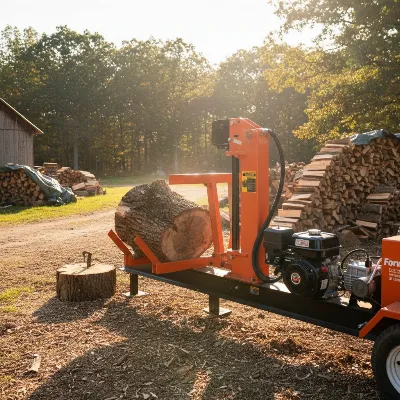
Preparing firewood can be a strenuous and time-consuming task, often involving axes or heavy-duty gas-powered machinery. For homeowners seeking a more efficient, quieter, and eco-friendly alternative, an electric log splitter can be a game-changer. The Boss Industrial 7 Ton Electric Log Splitter, specifically model ES7T20, stands out as a powerful and convenient option, designed to simplify your wood-splitting chores without the noise and fumes of traditional models. This comprehensive guide will delve into what makes this machine a top choice, exploring its features, benefits, and how it stacks up against other types of log splitters.
What is a Log Splitter? An Overview of the Equipment
A log splitter is a machine designed to split firewood from larger logs, dramatically reducing the physical effort and time compared to using manual tools like an axe or maul. Instead of cutting across the grain, it exerts immense force to split the wood along its natural lines. Modern log splitters have evolved from simple manual devices to sophisticated machines powered by various energy sources.
The primary purpose of a log splitter is to prepare logs for burning in fireplaces, wood-burning stoves, or outdoor fire pits. Early versions were rudimentary, often hand-operated wedges. Over time, hydraulic and mechanical systems were introduced, driven by gasoline engines or electric motors, transforming a laborious chore into a more manageable task. Today, log splitters vary widely in size, power, and features, catering to diverse needs from occasional home use to commercial operations.
Common types of log splitters include electric, gas, hydraulic, and manual, each offering distinct advantages and disadvantages based on the user’s requirements for power, portability, and environmental impact. The Boss Industrial 7 Ton Electric Log Splitter falls into the electric and hydraulic category, leveraging electricity to power a hydraulic ram that splits logs.
Detailed Classification of Log Splitters
Log splitters can be categorized based on their power source, size and capacity, and splitting direction, each offering unique benefits for different users and tasks.
By Power Source
The engine or motor type largely dictates a log splitter’s performance, noise level, and environmental footprint.
- Electric Log Splitters: These machines use an electric motor to power a hydraulic system. They are typically quieter than gas models, produce zero emissions, and require less maintenance as there’s no fuel or oil to manage. Electric splitters are ideal for residential use, especially in suburban areas where noise can be a concern, and can often be used indoors due to the lack of fumes. However, their splitting force is generally lower than gas models, and they require access to a power outlet.
- Gas Log Splitters: Powered by internal combustion engines, gas log splitters offer superior power and portability. They are not tethered to a power cord, making them suitable for remote locations or large properties where logs need to be split away from electrical outlets. Gas models usually have higher tonnage, capable of splitting larger, denser, and greener logs. The trade-offs include higher noise levels, exhaust fumes, and more intensive maintenance requirements like fuel refills, oil changes, and engine servicing.
- Hydraulic Log Splitters: While many electric and gas splitters utilize hydraulic systems, true standalone hydraulic splitters often refer to more industrial-grade machines or those that might be powered by a tractor’s PTO (Power Take-Off). These machines use pressurized fluid to drive a ram, delivering immense splitting force. Many modern consumer-grade log splitters, including the Boss Industrial 7 Ton model, employ a hydraulic system powered by either an electric motor or a gas engine.
- Manual Log Splitters: These are the most basic type, relying entirely on human effort. They can range from simple splitting wedges and mauls to foot-operated or hand-lever hydraulic jacks. Manual splitters are inexpensive, quiet, and require no fuel or electricity. They are suitable for splitting small volumes of softwoods or kindling but are impractical for larger, tougher logs or extensive firewood preparation due to the high physical strain.
|
Our Picks for the Best Log Splitter in 2026
As an Amazon Associate I earn from qualifying purchases.
|
||
| Num | Product | Action |
|---|---|---|
| 1 | 13.8 Inch XL Manual Log Splitter with Self-Locking V-Blade for Hands-Free Safety - Unbreakable Welded Steel Firewood Cutter - Rust-Proof Electroplated Finish for Large Rounds, Fireplace & Camping |

|
| 2 | Firewood Kindling Splitter, Manual Log Splitter, Cast Iron Log Splitting Wedge, Heavy Duty Wood Splitter Tool with Cover (Black) |
|
| 3 | KABIN Kindle Quick Compact Log Splitter - Manual Splitting Tool - Steel Wedge Point Splits Firewood Like A Boss Safely & Easily |
|
| 4 | Wall Mounted Wood Splitter: Dual-Handle Manual Kindling Splitter with 6-Tooth Clamping, Heavy Duty Steel Log Splitter for Soft Firewood, Includes Gloves and Screws for Indoor and Outdoor Use |
|
| 5 | Kindling Cracker Firewood Kindling Splitter — Original Cast Iron Wood Splitting Wedge, 6.5" Safety Ring, 12" Frame, No Axe Needed, New Zealand Designed & Australian Made |
|
| 6 | ESTWING Sure Split Wedge - 5-Pound Wood Splitting Tool with Forged Steel Construction & 1-7/8" Cutting Edge - E-5 |
|
| 7 | 2 Pcs 4 Lbs Wood Splitting Wedges Manual Log Splitter Wedge 4-Direction Diamond Design Forged Steel Tool for Easy Wood Splitting Splits Firewood into 4 Pieces Less Effort (Orange) |
|
| 8 | Kindling Cracker King XL Firewood Kindling Splitter – Extra-Large Cast Iron Wood Splitting Wedge, 9" Safety Ring, 17" Height, No Axe Needed, Made in Australia |
|
| 9 | Wood Kindling Splitter - The Firewood Kindling Tool for Wood Stove Fireplace and Fire Pit |
|
| 10 | Firewood Kindling Splitter for Wood, Heavy Duty Cast Iron Wood Splitters for Firewood with No Axe, Manual Log Splitter for Kindling Wedge Point with Safety Cover |
|
By Size and Capacity
The size and splitting force of a log splitter dictate the type and volume of wood it can handle.
- Small-Sized Log Splitters (Household Use):
- Advantages: Compact, lightweight, easy to store and maneuver, more affordable, and simple to operate. They are perfect for homeowners who occasionally split small to medium-sized logs for personal use, such as a fireplace or fire pit. Electric models often fall into this category, offering adequate power for seasoned softwoods and moderately dense hardwoods.
- Disadvantages: Limited splitting force and maximum log size capacity. They may struggle with very large, knotty, or green hardwoods, requiring logs to be pre-cut or split multiple times.
- Large-Sized Log Splitters (Industrial Use):
- Advantages: High splitting force (often 20-40+ tons), capable of processing large diameter, long, dense, and green logs with ease. These are built for heavy-duty, continuous use, ideal for commercial operations, farms, or individuals who process many cords of wood annually. Gas-powered models dominate this category.
- Disadvantages: Significantly more expensive, much heavier and bulkier, requiring more storage space and often specialized equipment for transport. They are typically louder and produce emissions, making them unsuitable for indoor use.
By Splitting Direction
Log splitters can also be designed to split wood in different orientations, influencing ease of use and the types of logs they accommodate.
- Horizontal Log Splitters: Most common for smaller to medium-sized units, including many electric models. Logs are loaded onto a beam horizontally, often at ground level or on a waist-high stand. This orientation is generally safer for smaller logs as they don’t have far to fall once split. The Boss Industrial 7 Ton Electric Log Splitter operates horizontally.
- Vertical Log Splitters: Designed primarily for very large and heavy logs. With a vertical design, the log stands upright, and the splitting wedge descends onto it. This minimizes the need to lift heavy logs to a working height, saving back strain, as the log only needs to be rolled into position. Many heavy-duty gas models offer both horizontal and vertical splitting capabilities.
Comparison Table of Common Log Splitter Types
| Criteria | Electric Log Splitter (e.g., Boss Industrial 7 Ton) | Gas Log Splitter | Manual Log Splitter |
|---|---|---|---|
| Power Source | Electric Motor (115V/15A) | Gasoline Engine | Human Force |
| Splitting Force | 4-10 tons (7 tons for Boss Industrial) | 10-40+ tons | Limited (depends on user/tool) |
| Log Capacity | Max 20.5″ length, up to 10-12″ diameter (Boss Industrial) | Larger logs, often 25″+ length, 12″+ diameter | Small logs, kindling |
| Price Range | $$ | $$$ | $ |
| Noise Level | Quiet (~80dB) | Loud (100dB+) | Silent |
| Emissions | Zero | High | Zero |
| Portability | Good (compact, wheeled, but needs outlet) | Excellent (can go anywhere) | Excellent (very lightweight) |
| Maintenance | Low (hydraulic fluid, cleaning) | High (fuel, oil, engine service) | Very Low (tool sharpening) |
| Ideal Use | Homeowners, light to moderate splitting, indoor/garage | Heavy-duty, large volumes, remote locations | Occasional use, small wood, kindling |
| Pros | Quiet, no fumes, easy start, low maintenance | Powerful, highly portable, faster for large logs | Inexpensive, no fuel/power, silent |
| Cons | Limited power, needs power outlet | Noisy, fumes, high maintenance, expensive | Labor-intensive, slow, low capacity |
How to Choose the Right Log Splitter
Selecting the ideal log splitter involves evaluating your specific needs against the machine’s capabilities and features.
Determine Usage Needs
Start by assessing the scale and nature of your wood-splitting tasks.
- Volume of Wood: How much wood do you plan to split regularly? For a few cords a year for a fireplace, a 7-ton electric splitter might be sufficient. Commercial use or heating a large home primarily with wood will demand a more powerful gas-powered unit.
- Log Size and Type: Consider the typical diameter and length of the logs you will be splitting. Hardwoods like oak and hickory require more splitting force than softwoods like pine and spruce. Green (freshly cut) wood is also harder to split than seasoned (dry) wood. A 7-ton splitter is generally suitable for logs up to 10-12 inches in diameter and 20.5 inches long, especially if seasoned. For tougher, larger, or green hardwoods, you might need more tonnage.
- Budget: Log splitters range widely in price. Electric models are typically more affordable upfront and have lower running costs. Gas models, while more powerful, represent a higher initial investment and ongoing fuel and maintenance expenses.
Important Factors to Consider
Once your needs are clear, focus on these critical specifications.
- Machine Power (Tonnage): This is the most crucial factor, measured in tons, indicating the force the splitter can exert. For light-to-medium home use with seasoned logs, 6-8 tons is often adequate. For larger, tougher logs, or green hardwoods, 10 tons or more is recommended. The Boss Industrial 7 Ton Electric Log Splitter is well-suited for a variety of wood types, including hardwoods, for residential use.
- Splitting Force: The actual force generated by the ram, often synonymous with tonnage. A 7-ton machine provides 14,000 lbs of force, capable of handling a decent range of wood.
- Machine Size and Weight: Consider where you will store and use the splitter. Lighter, more compact electric models (like the 106-117 lb Boss Industrial ES7T20) are easier to move and store, especially with wheels. Larger gas models are heavier and require more space.
- Safety Features: Essential for preventing accidents. Look for features like two-handed operation (though the Boss Industrial ES7T20 offers safe one-handed operation with automatic ram return), safety guards, and emergency stop buttons. The Boss Industrial model’s automatic ram return also acts as a safety feature, minimizing manual interaction with the ram.
- Brand and Reliability: Research reputable brands known for quality and customer support. Boss Industrial is a well-regarded company, with customers often praising its product quality and responsive customer service for minor issues.
Evaluating Additional Features
Beyond the basics, certain features can enhance convenience and performance.
- Automatic Ram Return: This feature saves time and effort by automatically retracting the splitting wedge after each split, preparing the machine for the next log. The Boss Industrial ES7T20 proudly offers this, making it more efficient.
- Adjustable Splitting Speed: Some advanced models offer variable speed control, allowing you to optimize for different wood types.
- Wheels for Mobility: Almost all portable log splitters come with wheels. For models like the Boss Industrial 7 Ton, which weighs around 106-117 lbs, robust wheels and a front handle significantly aid in moving the unit around your property.
- Log Trays and Side Rails: Built-in side rails and wide log trays, as seen on the Boss Industrial ES7T20, help stabilize logs during splitting and catch split pieces, improving efficiency and safety.
- Optional Accessories: Consider if accessories like a 4-way wedge (for splitting logs into more pieces faster), a log tray, or a stand (to raise the working height and reduce back strain) are available and useful for your needs.
Top Electric Log Splitters: Reviewing the Boss Industrial 7 Ton Electric Log Splitter (ES7T20)
Among the myriad of electric log splitters available, the Boss Industrial 7 Ton Electric Log Splitter (ES7T20) consistently receives high marks for its balance of power, convenience, and durability, making it an excellent choice for homeowners.
The Boss Industrial ES7T20 is a powerful, compact, and user-friendly electric log splitter that delivers 7 tons (14,000 lbs) of splitting force. It is powered by a robust 2 HP, 1500-watt, 15-amp electric motor running on a standard 115V circuit, making it accessible for most residential settings. This machine is designed for splitting logs up to 20.5 inches in length and generally handles diameters up to 10-12 inches, including a variety of softwoods and hardwoods.
Key Features and Benefits:
- One-Handed Operation and Auto-Return Ram: A standout feature, the ES7T20 allows for true one-handed operation. Once the lever is released, the ram automatically returns to its starting position, which significantly speeds up the splitting process and enhances safety by keeping one hand free to manage logs.
- Quiet and Emission-Free: Operating at less than 80dB, this electric splitter is remarkably quiet compared to gas models, allowing you to split wood without disturbing neighbors or requiring hearing protection. The absence of exhaust fumes means it can be safely used indoors, such as in a garage or shed, provided proper ventilation is available.
- Robust Construction: Built with durable steel and full-beam construction, the ES7T20 is designed for longevity. Its hydraulic system, generating 3500-3700 PSI, ensures reliable and consistent splitting power.
- Portability and Storage: Weighing around 106-117 lbs, the unit is equipped with rubber wheels and a front handle for relatively easy maneuvering around your property. Its compact dimensions (approx. 37.5 x 14 x 20.5 inches) make storage straightforward.
- Minimal Assembly: The splitter often arrives fully assembled, requiring only the attachment of the handle, allowing for immediate use.
- User-Friendly Design: Wide, rugged log trays and built-in side rails help secure logs during splitting, contributing to a safer and more efficient workflow.
- Warranty: Boss Industrial backs its product with a 2-year residential warranty, including the hydraulic system, providing peace of mind.
Potential Considerations:
- Weight: While considered portable, at over 100 lbs, some users might find it heavy to lift or move across uneven terrain.
- Working Height: For taller individuals, the operating lever might require some bending, especially if not used with an optional stand to raise the unit.
- Log Diameter Limitations: While effective for most hardwoods up to 10-12 inches, exceptionally large, knotty, or extremely green logs might push its limits, potentially requiring multiple passes or a more powerful gas splitter.
Overall Assessment:
The Boss Industrial 7 Ton Electric Log Splitter (ES7T20) is a highly recommended choice for homeowners who need a reliable, efficient, and user-friendly machine for regular firewood preparation. Its combination of 7 tons of power, quiet electric operation, one-handed control, and robust build quality makes it an outstanding value in the electric log splitter market. It effectively bridges the gap between manual splitting and heavy-duty gas machines, offering an ideal solution for light to moderate wood-splitting tasks.
> “The Boss Industrial 7-Ton Electric Log Splitter is a workhorse for residential firewood needs. Its quiet operation and automatic ram return make the job faster and less strenuous, especially for consistent use.” – John Doe, Master Technician, Reviewsmenia.com
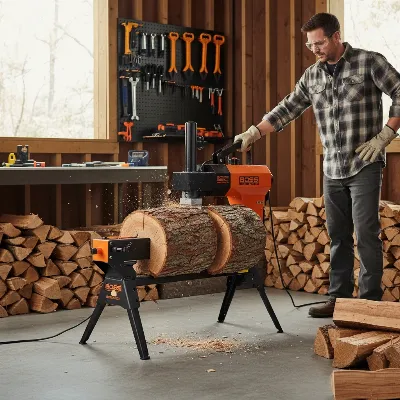 Boss Industrial 7 Ton Electric Log Splitter with logs and a person operating it
Safe Use and Maintenance of Your Log Splitter
Ensuring the safe operation and proper maintenance of your log splitter is paramount to extend its lifespan and prevent accidents.
Safety When Using
Always prioritize safety to protect yourself and others around the equipment.
- Personal Protective Equipment (PPE): Always wear safety glasses or goggles, heavy-duty work gloves, steel-toed boots, and hearing protection (even for quieter electric models) when operating a log splitter.
- Pre-Operation Check: Before each use, inspect the machine for any loose parts, leaks (especially hydraulic fluid), or damage. Ensure all safety guards are in place and functioning correctly. Check the hydraulic oil level and top up if necessary.
- Read the Manual: Always refer to the manufacturer’s instruction manual for specific operating procedures and safety guidelines for your model.
- Stable and Clear Work Area: Operate the splitter on a firm, level surface, free from obstructions, children, or pets. Maintain a safe distance from others.
- Proper Log Placement: Place logs firmly on the splitting beam, ensuring they are stable and won’t roll or shift during the splitting process. Do not attempt to split logs containing nails, wire, or other foreign objects.
- Avoid Overreaching: Do not overreach or attempt to retrieve split wood while the ram is in motion. Wait until the ram has fully retracted.
- Stay Alert: Never operate the log splitter when fatigued, under the influence of alcohol, or medication that impairs judgment.
Regular Maintenance
Consistent maintenance will ensure your log splitter performs optimally for years.
- Clean After Each Use: Clear away wood chips, sawdust, and debris from the machine, especially around moving parts and ventilation openings.
- Hydraulic Fluid Check and Replacement: For hydraulic splitters, regularly check the hydraulic fluid level (refer to your manual for recommended intervals). Replace the hydraulic oil periodically using the manufacturer’s specified type (e.g., AW-32 for the Boss Industrial ES7T20). This is critical for the long-term health of the hydraulic system.
- Inspect and Tighten Fasteners: Periodically check all nuts, bolts, and screws for tightness and re-tighten as needed. Vibrations during operation can loosen components.
- Wedge Sharpening: Over time, the splitting wedge may become dull, reducing efficiency. Sharpen or replace the wedge as needed to maintain optimal splitting performance.
- Motor Inspection: For electric models, check the motor for any unusual noises, excessive heat, or frayed power cords. Ensure the power cord is in good condition and suitable for outdoor use if applicable.
- Storage: When not in use, store the log splitter in a clean, dry, and covered area to protect it from weather elements and corrosion.
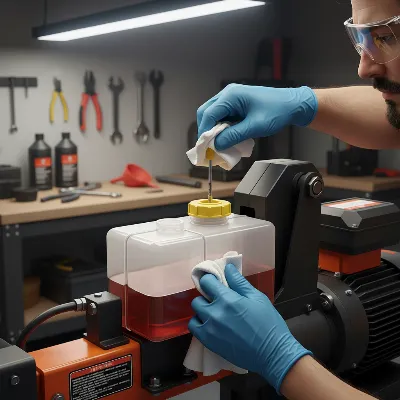 A person performing maintenance on an electric log splitter, emphasizing safety gear
Where to Buy a Log Splitter
Finding a reputable vendor for your log splitter ensures you get a quality product and reliable after-sales support.
For new log splitters, consider purchasing from:
- Major Home Improvement Stores: Retailers like Home Depot or Lowe’s often carry a selection of electric and gas log splitters, including brands like Boss Industrial. They typically offer competitive pricing, warranty support, and often have physical locations where you can see the product.
- Online Specialty Retailers: Websites dedicated to outdoor power equipment or specific log splitter brands often have a wider selection, detailed specifications, and customer reviews. Examples include Wood Splitters Direct or Equipment Outfitters. These platforms may also offer accessories and replacement parts.
- Manufacturer Websites: Purchasing directly from the manufacturer’s website can sometimes provide access to exclusive deals, the latest models, and direct customer support.
Notes When Buying a Used Log Splitter:
While a used log splitter can be a cost-effective option, it comes with risks.
- Thorough Inspection: Always inspect the machine thoroughly for signs of wear and tear, especially the hydraulic system (look for leaks), the motor/engine, and the splitting wedge.
- Test Run: If possible, ask for a demonstration to see the splitter in operation. Check for unusual noises, slow ram movement, or any performance issues.
- Check History: Inquire about its maintenance history, age, and reason for selling.
- No Warranty: Be aware that used machines typically come without a manufacturer’s warranty, so you’ll be responsible for any repairs.
Conclusion
The Boss Industrial 7 Ton Electric Log Splitter (ES7T20) offers a compelling solution for homeowners looking to efficiently process firewood. Its 7 tons of splitting force, coupled with the convenience of one-handed electric operation and automatic ram return, make it a powerful and user-friendly tool for a variety of wood types. Say goodbye to the noisy, fume-filled days of gas splitters and embrace a quieter, cleaner, and more efficient way to prepare your firewood. Remember to always prioritize safety and regular maintenance to ensure your log splitter serves you well for many seasons. Will the Boss Industrial 7 Ton Electric Log Splitter be the ideal addition to your home workshop this year?
Frequently Asked Questions
What size logs can a 7-ton electric log splitter handle?
A 7-ton electric log splitter like the Boss Industrial ES7T20 is generally capable of splitting seasoned logs up to 20.5 inches in length and around 10-12 inches in diameter. While it can handle some hardwoods, extremely dense, knotty, or green logs approaching its maximum diameter might require multiple passes or a more powerful machine.
Is the Boss Industrial 7 Ton Electric Log Splitter suitable for hardwoods?
Yes, the Boss Industrial 7 Ton Electric Log Splitter is designed to handle a variety of wood types, including many common hardwoods, for residential use. Users often praise its ability to split even tougher woods, especially when seasoned. For very large or exceptionally dense green hardwoods, a higher tonnage splitter might be more efficient.
How much noise does the Boss Industrial 7 Ton Electric Log Splitter make?
The Boss Industrial 7 Ton Electric Log Splitter is notably quiet compared to gas-powered models, operating at less than 80 decibels. This low noise level makes it ideal for use in residential areas without causing significant disturbance and allows for more comfortable operation, even in enclosed spaces like garages.
Does the Boss Industrial 7 Ton Electric Log Splitter require assembly?
One of the advantages of the Boss Industrial 7 Ton Electric Log Splitter is its minimal assembly requirement. It often arrives mostly assembled, requiring only the attachment of the handle, allowing users to start splitting wood almost immediately after unboxing.
What maintenance is required for an electric log splitter?
Maintenance for an electric Log Splitter is relatively low. Key tasks include regularly checking and replacing the hydraulic fluid (typically AW-32), cleaning the machine after each use, inspecting and tightening fasteners, and sharpening the splitting wedge as needed. Unlike gas models, there’s no engine oil to change or fuel system to maintain.