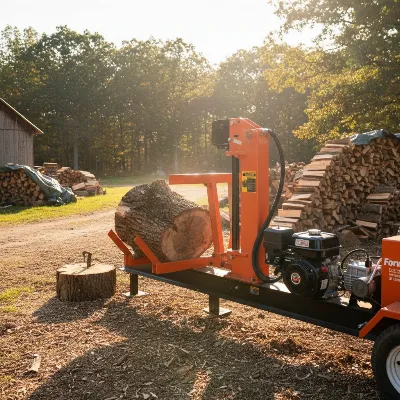
A log splitter is an invaluable tool for anyone regularly processing firewood, transforming tough, knotted logs into manageable pieces with powerful hydraulic force. When your log splitter’s hydraulic cylinder begins to leak fluid rapidly, it’s not just a messy inconvenience; it signals a significant problem that compromises performance, wastes expensive hydraulic fluid, and can potentially lead to complete system failure if left unaddressed. Understanding the underlying causes of such a leak is the first crucial step toward a successful repair, getting your machine back to its peak splitting efficiency. This article delves into the common reasons behind fast hydraulic cylinder leaks, how to accurately diagnose them, and the essential steps to take for repair and prevention.
Understanding Your Log Splitter’s Hydraulic System
At the heart of every hydraulic log splitter lies a robust hydraulic system, responsible for generating the immense force needed to cleave wood. This system operates on the principle of incompressible fluid (hydraulic oil) being pushed by a pump through hoses and valves to extend and retract a hydraulic cylinder. The cylinder itself is a marvel of engineering, typically consisting of a barrel, a piston, a piston rod, and various seals.
When you engage the control lever, hydraulic fluid is directed into one side of the cylinder, pushing the piston and extending the rod, which is attached to the splitting wedge. To retract, fluid is directed to the other side. The seals, particularly the piston rod seals (also known as gland seals or packing seals) and the piston seals, are critical components. Rod seals prevent fluid from escaping the cylinder where the rod extends and retracts, while piston seals prevent fluid from bypassing the piston internally, ensuring full force is applied. Any compromise to these components or the cylinder’s integrity can lead to a fast, unwelcome leak.
Common Causes of Rapid Hydraulic Fluid Leaks from the Cylinder
A rapidly leaking hydraulic cylinder can be attributed to several factors, often stemming from wear, damage, or improper maintenance. Identifying the specific cause is key to an effective repair.
Worn or Damaged Piston Rod Seals
|
Our Picks for the Best Log Splitter in 2026
As an Amazon Associate I earn from qualifying purchases.
|
||
| Num | Product | Action |
|---|---|---|
| 1 | Wood Kindling Splitter - The Firewood Kindling Tool for Wood Stove Fireplace and Fire Pit |

|
| 2 | Kindling Cracker Firewood Kindling Splitter — Original Cast Iron Wood Splitting Wedge, 6.5" Safety Ring, 12" Frame, No Axe Needed, New Zealand Designed & Australian Made |
|
| 3 | ESTWING Sure Split Wedge - 5-Pound Wood Splitting Tool with Forged Steel Construction & 1-7/8" Cutting Edge - E-5 |
|
| 4 | Firewood Kindling Splitter for Wood, Heavy Duty Cast Iron Wood Splitters for Firewood with No Axe, Manual Log Splitter for Kindling Wedge Point with Safety Cover |
|
| 5 | Firewood Kindling Splitter, Manual Log Splitter, Cast Iron Log Splitting Wedge, Heavy Duty Wood Splitter Tool with Cover (Black) |
|
| 6 | Wall Mounted Wood Splitter: Dual-Handle Manual Kindling Splitter with 6-Tooth Clamping, Heavy Duty Steel Log Splitter for Soft Firewood, Includes Gloves and Screws for Indoor and Outdoor Use |
|
| 7 | Kindling Cracker King XL Firewood Kindling Splitter – Extra-Large Cast Iron Wood Splitting Wedge, 9" Safety Ring, 17" Height, No Axe Needed, Made in Australia |
|
| 8 | 13.8 Inch XL Manual Log Splitter with Self-Locking V-Blade for Hands-Free Safety - Unbreakable Welded Steel Firewood Cutter - Rust-Proof Electroplated Finish for Large Rounds, Fireplace & Camping |
|
| 9 | KABIN Kindle Quick Compact Log Splitter - Manual Splitting Tool - Steel Wedge Point Splits Firewood Like A Boss Safely & Easily |
|
| 10 | 2 Pcs 4 Lbs Wood Splitting Wedges Manual Log Splitter Wedge 4-Direction Diamond Design Forged Steel Tool for Easy Wood Splitting Splits Firewood into 4 Pieces Less Effort (Orange) |
|
This is arguably the most frequent culprit behind external hydraulic fluid leaks from the cylinder. The piston rod seals are constantly exposed to the elements – dirt, dust, sawdust, and moisture. Over time, these seals can harden, crack, or become abraded due to friction and contamination, leading to fluid weeping or actively flowing out around the piston rod as it extends and retracts. A heavy workload or extended use can accelerate this wear.
Scored or Damaged Piston Rod
The smooth, polished surface of the piston rod is vital for the longevity of the rod seals. If the piston rod becomes scratched, pitted, or scored due to impact, corrosion, or abrasive contaminants, it will quickly tear and damage the rod seals, even newly installed ones. This creates an easy pathway for hydraulic fluid to escape, often resulting in a fast leak.
Internal Piston Seal Failure (Bypass Leakage)
While not always a visibly external leak, a rapidly failing internal piston seal can cause significant performance issues, including a noticeable loss of splitting power or the ram “creeping” back when under load (known as cylinder drift). In this scenario, hydraulic fluid bypasses the piston internally, reducing the effective pressure and making the cylinder less efficient. Although the fluid isn’t escaping the machine, the system will appear to be losing fluid rapidly in terms of performance, as the fluid isn’t being effectively contained to generate force.
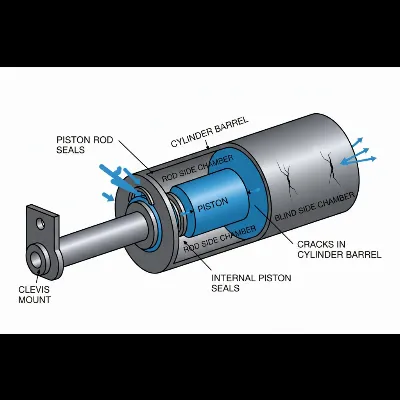 A diagram illustrating common leak points in a hydraulic log splitter cylinder, highlighting rod seals, piston seals, and barrel cracks.
Cracked Cylinder Barrel or Weld Failures
Though less common, a physical crack in the cylinder barrel itself or a failure in the welds connecting the barrel ends can result in a significant and rapid leak. These cracks can develop due to extreme impacts, material fatigue, manufacturing defects, or excessive pressure within the system. Pinhole leaks or long fissures can allow fluid to spurt out, indicating a serious structural integrity issue.
Loose or Damaged External Hydraulic Fittings and Hoses
Sometimes, a seemingly fast cylinder leak originates from the hydraulic lines, fittings, or connections attached to the cylinder, rather than the cylinder itself. Loose fittings, damaged threads, cracked hoses, or worn O-rings at connection points can allow fluid to spray or stream out, mimicking a cylinder leak. It’s crucial not to overlook these external components when diagnosing a leak.
Contaminated or Incorrect Hydraulic Fluid
The quality and type of hydraulic fluid play a critical role in the health of your system. Contaminants such as dirt, water, or metal shavings can act as abrasives, accelerating the wear of seals and internal components. Incorrect fluid types can also degrade seals over time due to chemical incompatibility, leading to premature failure and leaks. Discolored or milky fluid is a clear sign of contamination.
Excessive System Pressure or Poorly Fitted Seals
Operating a log splitter beyond its intended pressure limits can place undue stress on all hydraulic components, including the cylinder and its seals, leading to rapid wear or catastrophic failure. Furthermore, if seals were installed incorrectly during a previous repair – for example, being pinched, over-tightened, or not properly seated – they can fail almost immediately, causing a fast leak.
“A fast hydraulic leak is often a cry for help from your log splitter. Ignoring it means risking not just more fluid loss, but potential damage to expensive components like the pump or even the engine, due to operating with insufficient fluid or compromised pressure.” – Reviewsmenia.com Admin, Log Splitter Technician
Diagnosing the Source of Your Log Splitter Cylinder Leak
Accurately pinpointing the source of a leak is critical before attempting any repairs. A methodical approach ensures you don’t overlook a simpler, more accessible fix.
Safety First: Essential Precautions
Before you begin any inspection or repair, always prioritize safety. Hydraulic fluid is under high pressure and can cause serious injury, including skin penetration.
- Wear personal protective equipment: Always don safety glasses and sturdy work gloves.
- Never use your hands: Do not use your bare hands to search for hydraulic leaks. Escaping fluid can be nearly invisible and can easily puncture skin.
- Relieve hydraulic pressure: Always turn off the engine and relieve any residual hydraulic system pressure before inspecting, loosening, or adjusting fittings, hoses, or cylinder components. Consult your owner’s manual for the correct procedure.
Visual Inspection for External Leaks
Begin by thoroughly cleaning the area around the hydraulic cylinder and any associated hoses and fittings. Dirt and grime can obscure the actual leak source.
- Cardboard test: Place a piece of clean cardboard or wood beneath the suspected leak area. Run the log splitter for a short period, then shut it off. The cardboard will show darkened spots where fluid is dripping, helping you localize the leak.
- Look for obvious signs: Inspect the piston rod, the cylinder barrel, and all connections for visible oil stains, wetness, drips, or streams of fluid. Pay close attention to the area where the piston rod exits the cylinder (the gland).
Identifying Internal Piston Seal Leaks
If you observe a loss of splitting power or the ram slowly retracts or extends without input (cylinder drift), you likely have an internal piston seal leak.
- Performance check: Engage the log splitter ram against a log. If it struggles to split wood it previously handled with ease, or if the ram slowly backs off when holding pressure, the piston seal might be compromised.
- Fluid level vs. performance: Check the hydraulic fluid level. If it’s correct but performance is poor, an internal bypass is highly probable.
Checking for Other External Leak Points
Expand your visual inspection beyond the cylinder itself to encompass the entire hydraulic system connected to it.
- Hoses and fittings: Examine all hydraulic hoses for cracks, bulges, abrasions, or kinks. Check all fittings for tightness and signs of leaks around their connections.
- Hydraulic pump and valve: Inspect the hydraulic pump and control valve for any visible signs of fluid leakage, as leaks from these components can also mimic cylinder issues.
Steps to Repair a Leaking Log Splitter Cylinder
Once you’ve diagnosed the source of the leak, you can proceed with the appropriate repair. Some repairs are DIY-friendly, while others may require professional assistance.
Repairing or Replacing Piston Rod Seals
This is the most common cylinder repair.
- Remove the cylinder: Disconnect hydraulic lines, relieve pressure, and carefully remove the hydraulic cylinder from the log splitter.
- Disassemble the cylinder: This often involves removing a snap ring or bolts that secure the gland (rod end cap) in place. You’ll then typically need to push the rod and piston assembly out of the barrel. Be extremely careful not to score the piston rod during disassembly. Many recommend using wooden dowels or specialized plastic tools to avoid metal-on-metal contact.
- Replace seals: Carefully remove the old seals (rod seals, wipers, O-rings) from the gland and the piston. Clean all components thoroughly. Install new seals from a rebuild kit, ensuring they are oriented correctly and not twisted or pinched. Lubricate new seals with clean hydraulic fluid before installation.
- Reassemble and test: Reassemble the cylinder, ensuring all components are properly seated and secured. Reinstall the cylinder on the log splitter, reconnect lines, fill with fresh hydraulic fluid, bleed the system, and test for leaks under load.
Addressing Piston Rod Damage
If the piston rod is significantly scored, pitted, or bent, replacing the rod itself (or the entire rod and piston assembly, depending on the cylinder design) is often the only reliable solution. Attempting to run new seals over a damaged rod will result in rapid seal failure and a recurring leak. In some cases, minor surface imperfections can be polished out, but major damage warrants replacement.
Dealing with Cylinder Barrel Damage
A cracked cylinder barrel is a serious issue.
- Welding: For minor cracks, an experienced welder might be able to repair the barrel. However, welding hydraulic cylinders can be complex due to the materials, required strength, and potential for internal distortion. It may also only be a temporary fix.
- Replacement: For severe cracks or multiple leaks, replacing the entire hydraulic cylinder is often the safest and most cost-effective long-term solution, despite the initial higher cost.
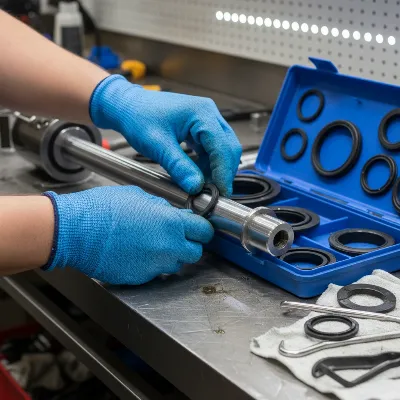 A technician replacing worn seals on a log splitter hydraulic cylinder using a seal kit and specialized tools in a clean workshop.
Tightening or Replacing External Components
For leaks stemming from hoses or fittings:
- Tighten: Use appropriate wrenches to gently tighten any loose hydraulic fittings. Do not over-tighten, as this can strip threads or crack components.
- Replace: If a hose is cracked or worn, or a fitting is damaged, replace it with a new one of the correct size and pressure rating. Ensure proper thread sealant is used on tapered pipe threads, if applicable.
Preventative Maintenance to Avoid Future Leaks
Preventing leaks is always better than repairing them. Regular, diligent maintenance can significantly extend the life of your log splitter’s hydraulic system and prevent costly downtime.
Regular Inspections
Make a habit of inspecting your log splitter before each use:
- Visual check: Look for any visible signs of fluid leakage around the cylinder, hoses, fittings, pump, and control valve. Early detection of a small weep can prevent it from escalating into a fast leak.
- Piston rod examination: Keep the piston rod clean and free of debris. Inspect it for any signs of scratches, nicks, or corrosion that could damage seals.
Proper Hydraulic Fluid Management
- Check fluid level: Verify the hydraulic fluid level before each splitting session. Low fluid levels can lead to cavitation, overheating, and premature component wear.
- Use correct fluid: Always use the type and viscosity of hydraulic fluid recommended by your log splitter manufacturer.
- Change fluid regularly: Hydraulic fluid degrades over time and can become contaminated. Follow your manufacturer’s recommendations for fluid change intervals, typically annually or after a certain number of operating hours. This usually involves draining the old fluid, cleaning the reservoir, and refilling with fresh fluid. Don’t forget to replace or clean the hydraulic filter if your machine has one.
Maintaining System Cleanliness
- Clean the machine: Regularly clean your log splitter to remove dirt, sawdust, and sap, especially from around the hydraulic cylinder and hoses. This prevents abrasive materials from getting into seals.
- Protect the rod: When not in use, ensure the piston rod is fully retracted into the cylinder or protected with a cover to shield it from environmental contaminants and damage.
Correct Storage Practices
- Dry storage: Store your log splitter in a dry, protected environment like a shed or garage to prevent rust and corrosion on metal components, including the cylinder rod and barrel.
- Covering: If outdoor storage is unavoidable, use a waterproof tarp to protect the machine from rain, snow, and UV exposure.
Bleeding Air from the System
After adding hydraulic fluid or performing maintenance, air can become trapped in the system. Trapped air can lead to erratic operation and, in some cases, excessive pressure fluctuations that stress seals.
- Bleeding procedure: Consult your owner’s manual. Typically, this involves extending and retracting the ram through its full range of motion several times with the reservoir cap slightly loosened (or bleed screw open) to allow air to escape.
A log splitter is a significant investment that delivers immense utility. By understanding why its hydraulic cylinder might be leaking and committing to regular maintenance, you can ensure your machine remains a reliable workhorse for many years, tackling piles of timber with ease.
Conclusion
A fast hydraulic fluid leak from your log splitter cylinder is a clear signal that attention is needed. From worn seals and damaged piston rods to internal bypasses or even structural cracks, understanding the precise cause is paramount for an effective repair. Always prioritize safety during diagnosis and repair, using protective gear and ensuring hydraulic pressure is relieved. While many external leaks are addressable with seal replacement or tightening fittings, internal or structural damage may warrant professional intervention or component replacement. By embracing a proactive maintenance regimen – including regular inspections, proper fluid management, system cleanliness, and correct storage – you can significantly reduce the likelihood of future leaks and ensure your log splitter continues to perform powerfully and safely for seasons to come.
What steps will you take today to inspect your log splitter for potential leaks?
Frequently Asked Questions
Can I use a “stop leak” product for my log splitter’s hydraulic cylinder?
It is generally not recommended to use “stop leak” products in a log splitter’s hydraulic system. These products can sometimes cause more harm than good by clogging internal components, degrading seals, or altering the fluid’s properties, potentially leading to more severe and costly damage to the pump, valves, or cylinder itself. The best approach is always to diagnose and address the root cause of the leak.
How often should I change the hydraulic fluid in my log splitter?
The frequency for changing hydraulic fluid varies by manufacturer, but a general guideline is annually or every 50-100 hours of operation, whichever comes first. Always consult your Log Splitter’s owner’s manual for specific recommendations. Regular fluid changes ensure optimal performance, protect components from wear, and prevent seal degradation caused by old or contaminated fluid.
What are the signs of an internal cylinder leak if I don’t see fluid escaping externally?
Signs of an internal cylinder leak, or bypass leakage, include a noticeable loss of splitting power, the ram retracting or extending slowly and inconsistently, or the wedge “creeping” back when holding pressure against a log (cylinder drift). If your hydraulic fluid level is correct but the machine is struggling, an internal piston seal failure is a strong indication.