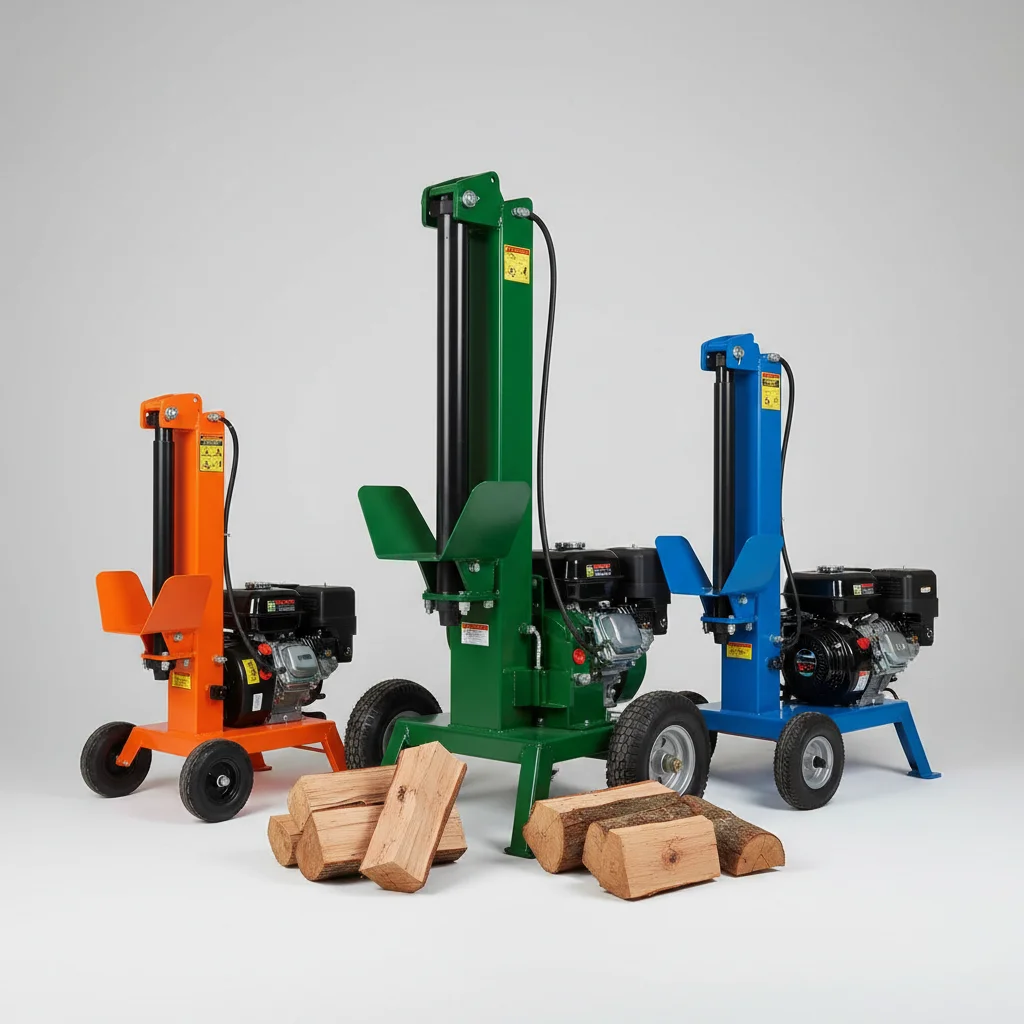
Vertical log splitters are ideal for processing large, heavy logs that would be difficult to lift onto a horizontal splitter. Their design allows you to roll logs directly into position, significantly reducing physical strain and increasing efficiency for heavy-duty firewood processing. This type of splitter is particularly beneficial for logs with large diameters or irregular shapes, making it a top choice for serious homeowners and commercial users alike.
Why Choose a Vertical Log Splitter?
The primary advantage of a vertical log splitter lies in its ergonomic design. Instead of lifting heavy logs onto a splitting beam, you can simply roll them into place at ground level. This feature is invaluable when dealing with logs weighing hundreds of pounds, preventing back strain and potential injuries. Many models also offer the flexibility to operate in a horizontal position for smaller, more manageable logs, providing a versatile solution for various wood-splitting needs. For complete log splitters library on this site.
Key Features to Look For
When selecting a vertical log splitter, consider several key features to ensure it meets your specific requirements. Tonnage is crucial; for heavy-duty use, look for models with 25 tons or more of splitting force. Engine size, typically measured in horsepower (HP), dictates the power and speed of the splitter. A larger engine will generally provide faster cycle times and more consistent performance. Additionally, consider the log capacity, which refers to the maximum length and diameter of logs the machine can handle. A robust frame and quality hydraulic components are also indicators of durability and long-term reliability.
- High tonnage (25+ tons) for large logs
- Powerful engine (6.5 HP or more) for efficiency
- Large log capacity (25-inch length, 12-inch diameter minimum)
- Durable construction and quality hydraulic system
- Ability to switch between vertical and horizontal operation
Maintenance Tips for Vertical Log Splitters
|
Our Picks for the Best Log Splitter in 2026
As an Amazon Associate I earn from qualifying purchases.
|
||
| Num | Product | Action |
|---|---|---|
| 1 | Kindling Cracker King XL Firewood Kindling Splitter – Extra-Large Cast Iron Wood Splitting Wedge, 9" Safety Ring, 17" Height, No Axe Needed, Made in Australia |

|
| 2 | KABIN Kindle Quick Compact Log Splitter - Manual Splitting Tool - Steel Wedge Point Splits Firewood Like A Boss Safely & Easily |
|
| 3 | ESTWING Sure Split Wedge - 5-Pound Wood Splitting Tool with Forged Steel Construction & 1-7/8" Cutting Edge - E-5 |
|
| 4 | 13.8 Inch XL Manual Log Splitter with Self-Locking V-Blade for Hands-Free Safety - Unbreakable Welded Steel Firewood Cutter - Rust-Proof Electroplated Finish for Large Rounds, Fireplace & Camping |
|
| 5 | Wall Mounted Wood Splitter: Dual-Handle Manual Kindling Splitter with 6-Tooth Clamping, Heavy Duty Steel Log Splitter for Soft Firewood, Includes Gloves and Screws for Indoor and Outdoor Use |
|
| 6 | Kindling Cracker Firewood Kindling Splitter — Original Cast Iron Wood Splitting Wedge, 6.5" Safety Ring, 12" Frame, No Axe Needed, New Zealand Designed & Australian Made |
|
| 7 | Wood Kindling Splitter - The Firewood Kindling Tool for Wood Stove Fireplace and Fire Pit |
|
| 8 | Firewood Kindling Splitter for Wood, Heavy Duty Cast Iron Wood Splitters for Firewood with No Axe, Manual Log Splitter for Kindling Wedge Point with Safety Cover |
|
| 9 | Firewood Kindling Splitter, Manual Log Splitter, Cast Iron Log Splitting Wedge, Heavy Duty Wood Splitter Tool with Cover (Black) |
|
| 10 | 2 Pcs 4 Lbs Wood Splitting Wedges Manual Log Splitter Wedge 4-Direction Diamond Design Forged Steel Tool for Easy Wood Splitting Splits Firewood into 4 Pieces Less Effort (Orange) |
|
Proper maintenance is essential to ensure the longevity and optimal performance of your vertical log splitter. Regularly check and maintain the hydraulic fluid levels, replacing it according to the manufacturer’s recommendations. Inspect the wedge and ram for any damage or wear, and sharpen or replace the wedge as needed. Keep all moving parts lubricated and ensure all bolts and fasteners are tight. Before and after each use, clean the machine to remove sawdust, dirt, and debris, which can accumulate and hinder operation. Storing your splitter in a dry, covered area will also protect it from the elements and extend its lifespan.
For those tackling substantial woodpiles, a high-quality vertical log splitter can be a game-changer. It combines power, efficiency, and ergonomic design to make the demanding task of firewood processing much more manageable. Investing in a model with robust features and committing to regular maintenance will ensure you have a reliable tool for years to come.
Top Considerations for Heavy-Duty Use
For heavy-duty applications, such as preparing firewood for commercial sale or heating a large home, specific features become even more critical. Look for splitters with a fast cycle time, which refers to how quickly the ram extends and retracts. A quicker cycle time means you can process more wood in less time. Auto-return valves are also a significant convenience, as they automatically retract the ram after each split, allowing you to focus on positioning the next log. Larger hydraulic reservoirs help prevent overheating during extended periods of operation, ensuring consistent performance. Finally, consider models with road-towable tires and a hitch for easy transport around your property or to different job sites.
Get our weekly buyer guide
Practical specs, not advice. Unsubscribe anytime.

I finally pulled the trigger on a vertical log splitter after years of struggling with a horizontal one. The difference is night and day, especially with those really big, gnarly logs. Being able to just roll them into place instead of lifting them has saved my back so much pain. It’s definitely a game-changer for anyone serious about processing a lot of firewood.
This type of splitter is exactly what I needed for the huge oak logs I get. The ergonomic design is a lifesaver; I used to dread splitting the really heavy ones. My only minor gripe is that some of the smaller logs are a bit awkward to position vertically, but for the big stuff, it’s absolutely perfect and makes quick work of them.
For commercial use, a vertical splitter is non-negotiable. We process hundreds of cords a year, and the efficiency gain from not having to lift heavy logs is immense. It’s a significant investment, but the reduction in physical strain and increased output makes it pay for itself quickly. Highly recommend for anyone dealing with large diameter logs regularly.
I appreciate the point about handling irregular shapes, and it does help with that. However, I found that the cycle time on the model I got was a bit slower than I expected, which can be frustrating when you have a huge pile to get through. It’s still better than lifting everything, but I was hoping for a bit more speed.