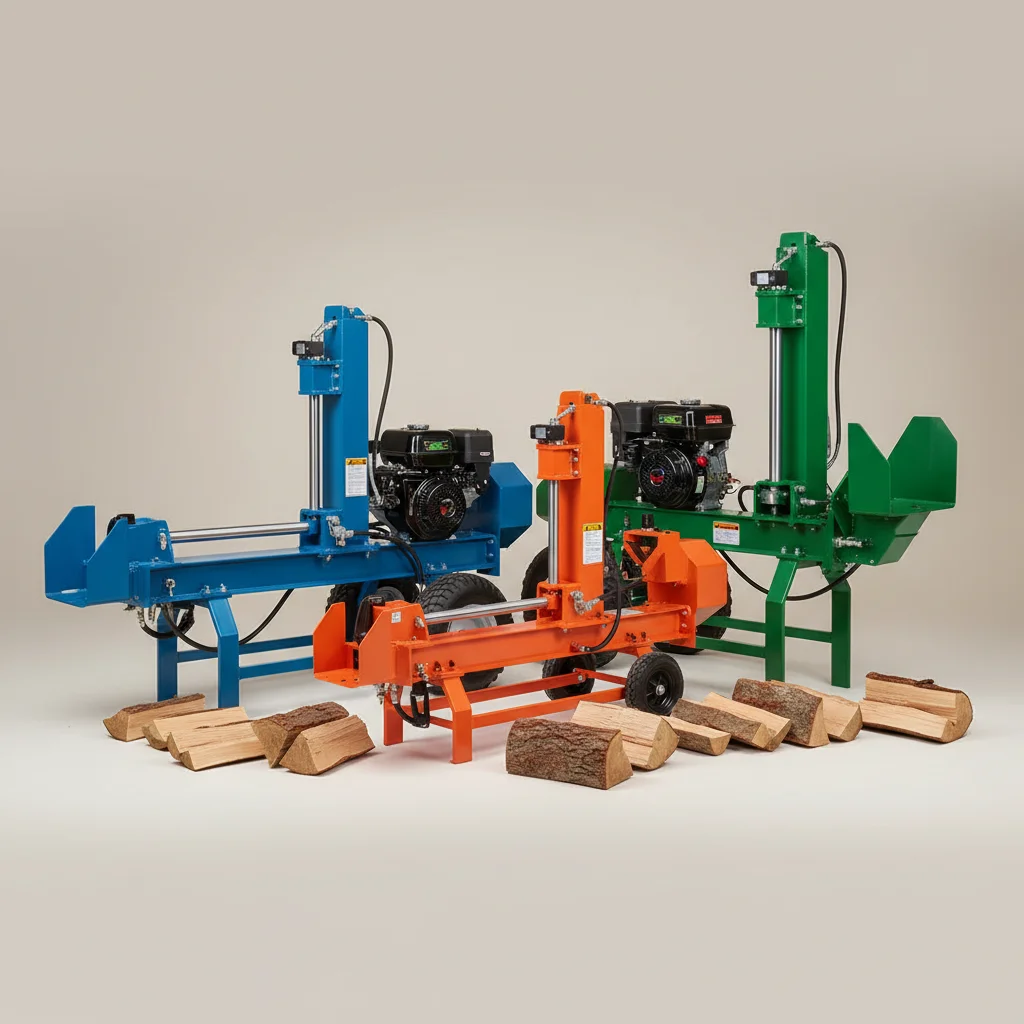
Determining the right log splitter tonnage for your needs depends primarily on the type and diameter of wood you plan to split. For most homeowners dealing with common hardwoods like oak and maple up to 18 inches in diameter, a log splitter with 20 to 27 tons of splitting force is generally sufficient. Larger, knotty, or green logs, especially those exceeding 24 inches, will benefit from 30 tons or more.
Understanding Log Splitter Tonnage Ratings
Log splitter tonnage refers to the amount of force the machine can exert to split a log. This force is generated by a hydraulic cylinder, and higher tonnage ratings indicate greater power. It’s a critical specification to consider, as an underpowered splitter will struggle with dense wood, leading to frustration and potential damage to the machine or the log itself. Conversely, an excessively powerful splitter might be overkill for light-duty tasks, incurring unnecessary cost and bulk.
Matching Tonnage to Wood Type and Size
The type of wood you’re splitting is a major factor. Softwoods like pine and fir require less force, often manageable with 10-15 ton splitters. Medium hardwoods such as ash, birch, and elm typically need 15-25 tons. For dense hardwoods like oak, maple, and hickory, especially if they are green or have many knots, 25-35 tons or more is recommended. The diameter and length of the logs also play a significant role; thicker and longer logs demand more power.
- Small Logs (under 12 inches, softwoods): 10-15 tons
- Medium Logs (12-18 inches, mixed hardwoods): 15-25 tons
- Large Logs (18-24 inches, dense hardwoods): 25-35 tons
- Extra Large/Knotty Logs (over 24 inches): 35+ tons
Considering Log Condition and Frequency of Use
|
Our Picks for the Best Log Splitter in 2026
As an Amazon Associate I earn from qualifying purchases.
|
||
| Num | Product | Action |
|---|---|---|
| 1 | ESTWING Sure Split Wedge - 5-Pound Wood Splitting Tool with Forged Steel Construction & 1-7/8" Cutting Edge - E-5 |

|
| 2 | KABIN Kindle Quick Compact Log Splitter - Manual Splitting Tool - Steel Wedge Point Splits Firewood Like A Boss Safely & Easily |
|
| 3 | Wall Mounted Wood Splitter: Dual-Handle Manual Kindling Splitter with 6-Tooth Clamping, Heavy Duty Steel Log Splitter for Soft Firewood, Includes Gloves and Screws for Indoor and Outdoor Use |
|
| 4 | 2 Pcs 4 Lbs Wood Splitting Wedges Manual Log Splitter Wedge 4-Direction Diamond Design Forged Steel Tool for Easy Wood Splitting Splits Firewood into 4 Pieces Less Effort (Orange) |
|
| 5 | 13.8 Inch XL Manual Log Splitter with Self-Locking V-Blade for Hands-Free Safety - Unbreakable Welded Steel Firewood Cutter - Rust-Proof Electroplated Finish for Large Rounds, Fireplace & Camping |
|
| 6 | Wood Kindling Splitter - The Firewood Kindling Tool for Wood Stove Fireplace and Fire Pit |
|
| 7 | Firewood Kindling Splitter for Wood, Heavy Duty Cast Iron Wood Splitters for Firewood with No Axe, Manual Log Splitter for Kindling Wedge Point with Safety Cover |
|
| 8 | Firewood Kindling Splitter, Manual Log Splitter, Cast Iron Log Splitting Wedge, Heavy Duty Wood Splitter Tool with Cover (Black) |
|
| 9 | Kindling Cracker King XL Firewood Kindling Splitter – Extra-Large Cast Iron Wood Splitting Wedge, 9" Safety Ring, 17" Height, No Axe Needed, Made in Australia |
|
| 10 | Kindling Cracker Firewood Kindling Splitter — Original Cast Iron Wood Splitting Wedge, 6.5" Safety Ring, 12" Frame, No Axe Needed, New Zealand Designed & Australian Made |
|
The condition of the wood also impacts the required tonnage. Green wood, which has a higher moisture content, is generally harder to split than seasoned, dry wood. Knotty logs, regardless of wood type, will always demand more force. If you plan to split wood frequently or in large volumes, investing in a splitter with a slightly higher tonnage than your minimum requirement can improve efficiency and reduce wear on the machine. This provides a buffer for unexpected tough logs and ensures consistent performance over time.
The Impact of Horizontal vs. Vertical Splitting
Many log splitters offer both horizontal and vertical splitting capabilities. While tonnage remains the primary measure of power, the orientation can affect the user experience, especially with very large or heavy logs. Vertical splitting allows you to roll heavy logs into position without lifting them onto a beam, which can be less strenuous. However, the actual splitting force delivered is still determined by the tonnage rating of the hydraulic system, regardless of the splitting orientation. Always prioritize the tonnage for the wood you intend to process.
Making the Right Investment for Your Needs
Ultimately, selecting the correct log splitter tonnage is about balancing your specific needs with the machine’s capabilities. Overspending on a commercial-grade splitter for occasional home use is unnecessary, just as under-powering your setup for heavy-duty tasks will lead to frustration. Evaluate your typical wood supply, consider future needs, and consult manufacturer specifications. A well-matched splitter will make your firewood processing efficient and enjoyable.
Get our weekly buyer guide
Practical specs, not advice. Unsubscribe anytime.

Finally, a clear explanation of log splitter tonnage! I’ve been frustrated with my current setup for a while, constantly getting logs stuck. The point about an underpowered splitter leading to frustration and potential damage really resonated. I’m now confident in choosing a higher tonnage machine for the dense wood I work with.
I was really on the fence about how much tonnage I needed for my new log splitter. We mostly deal with seasoned oak and maple, usually around 16-18 inches. The advice here about 20-27 tons being sufficient for common hardwoods was spot on. My new 25-ton model handles everything I throw at it without a hitch. Great guidance!
This really helped me understand why my old 15-ton splitter was struggling so much with some of the larger, greener logs I was trying to process. I often get logs over 20 inches, and the explanation about needing 30 tons or more for those bigger, knotty pieces made perfect sense. I’m upgrading soon, and now I know exactly what to look for.
I appreciated the breakdown of tonnage, but I wish there was a bit more detail on electric vs. gas models within the same tonnage range. I’m trying to decide on a 20-ton unit, and while the force is clear, the power source differences for that specific tonnage could have been explored more. Still, it was helpful for understanding the basics.