Chopping firewood by hand is a laborious and time-consuming task that can quickly take a toll on your body. For homeowners, farmers, and light commercial users who regularly process significant quantities of wood, a reliable log splitter is an indispensable tool. Among the myriad options available, the Dirty Hand Tools 22 Ton Gas Log Splitter has carved out a reputation for its blend of power, performance, and value, proving itself a robust solution for tackling even the most stubborn logs. This comprehensive review will examine its features, performance, and maintenance, helping you determine if it’s the right choice to conquer your woodpile for years to come.
What is a Log Splitter? An Overview of Wood Splitting Equipment
A log splitter is a powerful piece of machinery designed to simplify the arduous task of splitting logs into manageable pieces of firewood. Unlike an axe or maul that relies on brute force and impact, a log splitter utilizes hydraulic pressure to drive a wedge through the grain of the wood, efficiently splitting it with controlled force. This process not only saves significant physical effort but also enhances safety by reducing the risks associated with swinging sharp tools.
The evolution of log splitting technology has moved from simple manual devices to sophisticated powered machines. Early versions were often hand-cranked or foot-operated, offering a mechanical advantage over hand tools but still requiring substantial human input. Modern log splitters, however, primarily fall into three main categories based on their power source: electric, gas-powered, and manual. Each type caters to different needs, from occasional light-duty tasks to heavy-duty, high-volume firewood processing. Understanding these distinctions is crucial for selecting a machine that aligns with your specific requirements.
Detailed Classification of Log Splitters
Log splitters come in various designs, each optimized for different applications and wood types. Categorizing them helps in understanding their capabilities and limitations.
By Power Source
The engine or motor driving the log splitter significantly impacts its power, portability, and operational characteristics.
- Electric Log Splitters: These models are typically powered by an electric motor and are ideal for light-to-moderate use. They are quieter, produce zero emissions, and require less maintenance compared to gas models, making them suitable for residential areas or indoor use (with proper ventilation). However, their splitting force is generally lower (often 5-10 tons), and their operation is limited by the availability of an electrical outlet and cord length.
- Gas Log Splitters: Powered by gasoline engines, these splitters are known for their superior power and portability. They are the go-to choice for heavy-duty tasks, splitting large, dense hardwoods, and operating in remote locations where electricity isn’t available. Gas splitters offer a wide range of splitting forces, typically from 13 to over 60 tons. The Dirty Hand Tools 22 Ton model falls firmly into this powerful category. The trade-offs include higher noise levels, exhaust emissions, and regular maintenance requirements for the engine.
- Hydraulic Log Splitters: While hydraulic systems are the core mechanism for most powered log splitters (both electric and gas), “hydraulic log splitter” often refers to the internal system rather than the primary power source. These systems use pressurized fluid to extend a ram and push a wedge through the log, providing immense, controlled splitting force. Gas-powered models, like the Dirty Hand Tools 22 Ton, leverage robust hydraulic systems for their impressive splitting capabilities.
- Manual Log Splitters: These are the simplest type, often using a wedge and maul or a manual hydraulic pump. They require significant physical effort and are best suited for very small logs or occasional kindling preparation. While inexpensive and requiring no fuel or electricity, they are not practical for large quantities of wood.
By Size and Capacity
|
Our Picks for the Best Log Splitter in 2026
As an Amazon Associate I earn from qualifying purchases.
|
||
| Num | Product | Action |
|---|---|---|
| 1 | Kindling Cracker Firewood Kindling Splitter — Original Cast Iron Wood Splitting Wedge, 6.5" Safety Ring, 12" Frame, No Axe Needed, New Zealand Designed & Australian Made |

|
| 2 | Kindling Cracker King XL Firewood Kindling Splitter – Extra-Large Cast Iron Wood Splitting Wedge, 9" Safety Ring, 17" Height, No Axe Needed, Made in Australia |
|
| 3 | 2 Pcs 4 Lbs Wood Splitting Wedges Manual Log Splitter Wedge 4-Direction Diamond Design Forged Steel Tool for Easy Wood Splitting Splits Firewood into 4 Pieces Less Effort (Orange) |
|
| 4 | 13.8 Inch XL Manual Log Splitter with Self-Locking V-Blade for Hands-Free Safety - Unbreakable Welded Steel Firewood Cutter - Rust-Proof Electroplated Finish for Large Rounds, Fireplace & Camping |
|
| 5 | Firewood Kindling Splitter, Manual Log Splitter, Cast Iron Log Splitting Wedge, Heavy Duty Wood Splitter Tool with Cover (Black) |
|
| 6 | Wood Kindling Splitter - The Firewood Kindling Tool for Wood Stove Fireplace and Fire Pit |
|
| 7 | Wall Mounted Wood Splitter: Dual-Handle Manual Kindling Splitter with 6-Tooth Clamping, Heavy Duty Steel Log Splitter for Soft Firewood, Includes Gloves and Screws for Indoor and Outdoor Use |
|
| 8 | ESTWING Sure Split Wedge - 5-Pound Wood Splitting Tool with Forged Steel Construction & 1-7/8" Cutting Edge - E-5 |
|
| 9 | Firewood Kindling Splitter for Wood, Heavy Duty Cast Iron Wood Splitters for Firewood with No Axe, Manual Log Splitter for Kindling Wedge Point with Safety Cover |
|
| 10 | KABIN Kindle Quick Compact Log Splitter - Manual Splitting Tool - Steel Wedge Point Splits Firewood Like A Boss Safely & Easily |
|
The size and capacity of a log splitter are directly linked to its splitting force and the type of logs it can handle.
- Small (Home-Use) Log Splitters: Ranging from 5 to 10 tons of splitting force, these compact units are designed for homeowners with light to moderate firewood needs. They are generally more affordable, easier to store, and simple to operate, handling smaller, softer logs with ease. They may struggle with larger diameter or knotty hardwoods.
- Large (Industrial/Commercial) Log Splitters: With forces ranging from 20 tons up to 60 tons or more, these machines are built for demanding, high-volume tasks. They can effortlessly split large, dense, and irregular logs, often featuring more powerful engines and heavy-duty construction. The Dirty Hand Tools 22 Ton Log Splitter fits into this category, offering ample power for most residential and light commercial needs. While highly capable, these models are more expensive, heavier, and require more storage space.
By Splitting Orientation
Log splitters can also be classified by how they hold and split the log.
- Horizontal Log Splitters: These split logs horizontally, meaning you typically lift the log onto a beam. They are often more compact and suitable for smaller to medium-sized logs, offering good portability.
- Vertical Log Splitters: Designed to split logs vertically, these allow you to roll heavy logs into place on the ground, minimizing the need for heavy lifting. They are ideal for very large or heavy logs that would be difficult to hoist onto a horizontal beam.
- Horizontal/Vertical Convertible Log Splitters: Many modern gas-powered splitters, including the Dirty Hand Tools 22 Ton model, offer the versatility of both horizontal and vertical splitting positions. This feature is highly advantageous, allowing users to adapt to different log sizes and reduce physical strain, especially when dealing with extremely heavy rounds.
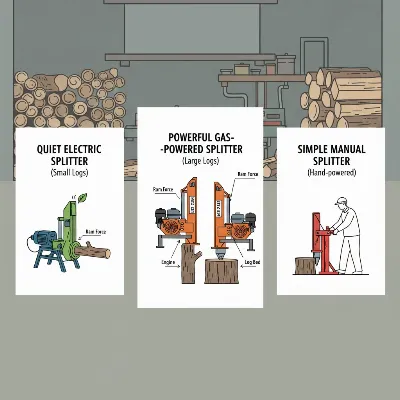 Various types of log splitters categorized by power source and orientation, highlighting the versatility of gas models
Comparing Popular Log Splitter Types
Choosing the best log splitter often comes down to balancing power, portability, and budget against your specific splitting demands. Here’s a comparison to help illustrate the differences.
| Feature | Manual Splitters | Electric Log Splitters | Gas Log Splitters (e.g., DHT 22 Ton) |
|---|---|---|---|
| Power Source | Human effort | Electric motor (120V) | Gasoline engine (6.5 HP – 20+ HP) |
| Splitting Force | Low (few tons equivalent) | 4-10 tons | 13-60+ tons (Dirty Hand Tools 22 Ton) |
| Log Size | Small, kindling | Small to medium (up to 12-16 inches diameter) | Medium to large, dense, knotty hardwoods (up to 25+ inches) |
| Portability | Highly portable | Limited by power cord | Highly portable (often towable) |
| Noise Level | Very low | Low | High |
| Maintenance | Minimal | Low | High (engine oil, fuel, air filter, spark plug) |
| Emissions | None | None | Yes (exhaust fumes) |
| Cost | Very low | Low to medium | Medium to high |
| Ideal Use | Occasional, small tasks, kindling | Residential use, small woodpiles, moderate logs | Heavy-duty, large woodpiles, tough logs, remote locations |
| Pros | Inexpensive, silent, no fuel | Quiet, clean, easy start | Powerful, portable, handles tough wood, fast cycle times |
| Cons | Labor-intensive, slow, limited capacity | Limited power, range, needs electricity | Noisy, emissions, requires fuel, more maintenance, heavier |
How to Choose the Right Log Splitter for Your Needs
Selecting the perfect log splitter is a strategic decision that can significantly impact your efficiency and satisfaction. Consider these factors carefully before making a purchase.
Assess Your Splitting Requirements
Before diving into specifications, clearly define your needs.
- Volume of Wood: How much wood do you plan to split annually? A few cords for a fireplace versus dozens of cords for heating a home or commercial use will dictate the necessary power and durability.
- Size and Type of Wood: What is the typical diameter and length of your logs? Are you primarily splitting softwoods like pine, or dense hardwoods such as oak, hickory, or maple? Green wood (freshly cut) is often harder to split than seasoned (dry) wood, requiring more tonnage. Knotty pieces or those with unusual grain patterns also demand greater splitting force. A 22-ton splitter, for instance, is well-suited for most hardwoods up to 24 inches in length and significant diameter.
- Budget: Log splitters range widely in price. Establish a realistic budget that balances initial cost with long-term performance and maintenance.
Key Factors to Evaluate
Once your needs are clear, focus on the following critical features.
- Splitting Force (Tonnage): This is perhaps the most crucial specification, indicating the maximum pressure the machine can exert. For general home use with mixed wood types, 10-20 tons is often sufficient. For larger, gnarlier, or green hardwoods, a 22-ton log splitter like the Dirty Hand Tools model provides ample power. Always match the tonnage to the toughest logs you anticipate splitting to ensure efficient operation.
- Cycle Speed: This measures the time it takes for the splitting wedge to extend, split the log, and retract to its starting position. A faster cycle time (e.g., 10-11 seconds for the Dirty Hand Tools 22 Ton) translates to greater efficiency, allowing you to process more wood in less time.
- Engine Horsepower (HP): For gas models, a higher horsepower engine generally correlates with better performance and the ability to handle demanding tasks. The Dirty Hand Tools 22 Ton often features a 6.5 HP engine, providing robust power for its 22-ton rating.
- Portability: If you need to move your splitter around your property or transport it to different locations, consider models with robust wheels and a tow bar. The Dirty Hand Tools 22 Ton is designed for easy towing, featuring DOT-approved tires and a standard 2-inch ball coupler for road transport.
- Safety Features: Prioritize models with essential safety mechanisms. Look for two-handed operation controls, which ensure both hands are away from the wedge during splitting, as well as sturdy log cradles, safety guards, and an emergency stop button.
- Brand and Reliability: Research reputable brands known for durability and good customer support. Dirty Hand Tools generally receives positive feedback for its value and performance in its class.
Additional Features to Consider
Beyond the core specifications, certain features can enhance convenience and durability.
- Automatic Return Valve: This feature allows the wedge to retract automatically after splitting, freeing up your hands to prepare the next log, thus speeding up the process. The Dirty Hand Tools 22 Ton comes standard with an auto-return.
- Adjustable Detent: This allows you to set the retraction point of the wedge, saving time when splitting shorter logs by not requiring the ram to retract fully each time.
- Log Cradles or Tables: These help secure logs on the beam, preventing them from rolling off during splitting and reducing bending for the operator. The beefy and wide log cradles on the DHT 22 Ton are a noted positive.
- Full-Beam Construction: Some splitters feature a “half-beam” design, while “full-beam” models offer greater structural integrity and support, especially when switching between horizontal and vertical positions. The Dirty Hand Tools 22 Ton is known for its full-beam construction, which contributes to its robust performance.
Review: The Dirty Hand Tools 22 Ton Gas Log Splitter 2026
The Dirty Hand Tools 22 Ton Gas Log Splitter is a popular choice for those needing significant splitting power without a commercial-grade price tag. For the 2026 outlook, it continues to be a strong contender, built on a foundation of proven performance.
Many users praise this splitter for its ability to handle demanding tasks. With 22 tons of splitting force, it effortlessly tackles tough wood, including large diameter logs, gnarly pieces with knots, and challenging crotches that would be impossible to split manually. Reviewers frequently note its efficiency, often splitting a cord or more of wood in just a couple of hours. The cycle time, typically around 10 to 11 seconds, is impressive for a machine of this size, further contributing to its high productivity.
The splitter is commonly powered by a 6.5 HP Kohler SH265 engine or a reliable “Honda clone” engine, which users report as generally quiet for a gas-powered unit and fuel-efficient. While some older reviews mention concerns about the engine being “China-made,” many acknowledge that these modern Chinese-made engines are robust and perform comparably to their counterparts.
A significant advantage of the Dirty Hand Tools 22 Ton is its versatility, featuring both horizontal and vertical splitting positions. The ability to switch between orientations by simply pulling a pin and lifting the beam allows users to handle heavy, oversized logs in the vertical position without excessive lifting, a feature highly valued for reducing physical strain. Its full-beam construction ensures stability and durability across both orientations.
Portability is another strong suit, equipped with 16-inch DOT-approved tires and a standard 2-inch ball coupler, making it easily towable on roads at speeds up to 45 mph (though a slightly lower speed is often recommended for off-road or bumpy terrain). This allows users to transport the splitter directly to their wood source, saving time and effort. The unit’s weight, around 473-595 pounds depending on the specific model, is manageable for its power class.
User feedback highlights several positive aspects:
- Ease of Assembly: Many find it relatively straightforward to assemble, often requiring minimal help.
- Reliable Starting: The engines are generally reported to start easily, even after periods of disuse, especially when using non-ethanol fuel.
- Durability: The hydraulic ram and beam are described as strong and heavy-duty, often outperforming other 22-ton splitters on the market. Hoses are typically protected with wire wrap to prevent damage from falling logs.
- Value: It’s frequently cited as a “great value for the money,” delivering professional-grade performance at a more accessible price point.
However, some minor criticisms have been noted in user reviews over the years:
- Oil Fill Port: The location of the engine oil fill port can be inconvenient for some, making oil changes a bit tricky.
- Loose Bolts: A few users reported minor bolts coming loose during initial use, which were easily tightened.
- Lack of Owner’s Manual: Some older purchases occasionally lacked a comprehensive owner’s manual upon delivery, though this seems less common with newer models.
- Dry Hubs: A few instances of axles needing grease in the hubs have been reported, suggesting a quick check and lubrication during initial setup can prevent issues.
- Optional Log Basket: While sturdy log cradles are standard, some users wish an optional log basket was included to prevent split pieces from falling to the ground, potentially speeding up work and saving back strain.
Despite these minor points, the overwhelming consensus points to the Dirty Hand Tools 22 Ton Gas Log Splitter as a powerful, efficient, and reliable machine that offers exceptional value for homeowners and those with serious firewood splitting needs. Its robust construction, versatile operation, and consistent performance make it a solid investment for 2026 and beyond.
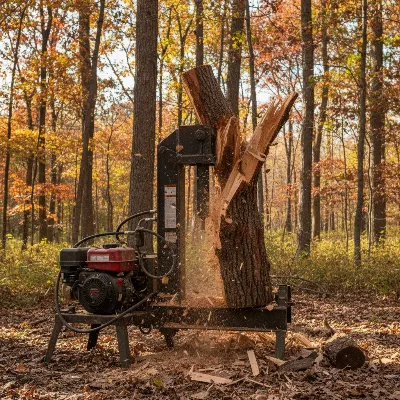 Dirty Hand Tools 22 Ton Gas Log Splitter splitting a large, knotty hardwood log in a rustic outdoor setting
Safe Operation and Maintenance for Your Log Splitter
Proper safety and maintenance are paramount to ensure your log splitter operates efficiently and safely for many years. Neglecting these aspects can lead to accidents, costly repairs, and reduced lifespan of the equipment.
Safety Protocols
Operating a powerful machine like a log splitter demands strict adherence to safety guidelines.
- Personal Protective Equipment (PPE): Always wear appropriate safety gear. This includes safety glasses or goggles to protect against flying wood chips, heavy-duty gloves to protect hands, steel-toed boots for foot protection, and hearing protection (earplugs or earmuffs) due to the noise of the gas engine.
- Clear Work Area: Operate the log splitter on a firm, level surface that is clear of debris, children, pets, and bystanders. Maintain a safe operating zone around the machine. Never operate on uneven ground where the splitter could tip over.
- Read the Manual: Thoroughly read and understand the manufacturer’s owner’s manual before operating your log splitter. Familiarize yourself with all controls, safety features, and operating procedures.
- Two-Handed Operation: Most log splitters are designed for two-handed operation, meaning both hands must engage controls simultaneously to activate the splitting wedge. This ensures your hands are safely away from the moving parts. Never bypass or modify this safety feature.
- Inspect Before Use: Before each use, conduct a quick pre-operation check. Look for any visible damage, loose bolts, hydraulic fluid leaks, or worn components. Ensure all guards and safety features are in place and functioning correctly.
- Proper Fuel Handling: Use the recommended fuel type (often non-ethanol gasoline for gas engines) and refill the fuel tank in a well-ventilated area, away from open flames, with the engine off and cool.
Regular Maintenance Essentials
Consistent maintenance extends the life of your log splitter and ensures optimal performance.
- Cleaning After Each Use: After every splitting session, clean the machine thoroughly. Remove wood chips, sap, and dirt from the wedge, beam, and all moving parts. Sap can become sticky and harden, leading to friction and rust if not removed. Use a stiff brush and a damp cloth, then ensure the machine is dry before storage.
- Hydraulic System Maintenance: The hydraulic system is the heart of your splitter.
- Check Fluid Level: Check the hydraulic fluid level regularly, typically every 50 hours of operation or seasonally. Maintain the fluid level according to your owner’s manual.
- Change Fluid: Over time, hydraulic fluid degrades and accumulates contaminants. Replace the hydraulic fluid at the intervals specified by the manufacturer (e.g., AW32, AW46, or universal hydraulic oil; automatic transmission fluid can be used in cold temperatures).
- Bleed Air: If you notice sluggish ram movement or strange noises, air might be trapped in the hydraulic system. Follow manual instructions to bleed the air from the cylinder.
- Check for Leaks: Regularly inspect hydraulic hoses and connections for any signs of leaks. Address leaks immediately to prevent fluid loss and system damage.
- Engine Maintenance (for Gas Models):
- Oil Changes: Perform regular engine oil changes as recommended by the engine manufacturer. Using the correct type and viscosity of oil is crucial for engine longevity.
- Air Filter: Clean or replace the air filter regularly, especially when operating in dusty conditions, to ensure proper airflow to the engine.
- Spark Plug: Check and replace the spark plug periodically for optimal ignition.
- Fuel System: Always use fresh, clean, non-ethanol gasoline to prevent carburetor issues. If storing for an extended period, drain the fuel or use a fuel stabilizer.
- Lubrication: Apply a light coat of grease or oil to all moving parts, such as where the wedge slides along the beam, cylinder rods, and axle bearings. This reduces friction and protects against rust. Regular engine oil is often recommended for the beam.
- Storage: When not in use, especially for extended periods, store your log splitter in a dry, covered area to protect it from the elements. Cleaning and lubricating before storage, and potentially draining fuel and hydraulic fluid, are excellent practices for long-term preservation.
> “Consistent care and attention to safety details are not just about extending the life of your equipment; they’re about ensuring every splitting session is productive and free from incident.” – Admin, Reviewsmenia.com, Log Splitter Technician with 10+ years experience
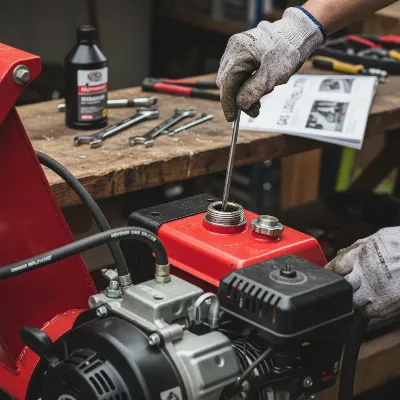 Close-up of a person performing maintenance on a log splitter, emphasizing safety and care
Where to Purchase a Reliable Log Splitter
When you’re ready to invest in a log splitter like the Dirty Hand Tools 22 Ton, choosing a reputable vendor is crucial for ensuring you receive a genuine product, proper warranty, and good after-sales support.
- Authorized Dealers: Visiting an authorized dealer for Dirty Hand Tools or similar brands allows you to see the product in person, ask questions, and often receive expert advice on assembly, operation, and maintenance. These dealers typically provide warranty service and access to genuine spare parts.
- Major Retailers: Large home improvement stores and outdoor power equipment retailers like Lowe’s or Tractor Supply Co. frequently carry popular log splitter brands. They often offer competitive pricing, financing options, and sometimes assembly services. Be sure to verify their return policies and customer support for log splitters.
- Online Marketplaces: Websites such as Amazon and eBay are popular platforms for purchasing log splitters. While they can offer convenience and a wide selection, always buy from reputable sellers with high ratings and clearly stated warranty information. Be cautious with third-party sellers and ensure you understand who is responsible for shipping damage or warranty claims.
- Manufacturer Websites: Purchasing directly from the manufacturer’s website can ensure authenticity and direct support.
- Buying Used: While a used log splitter can be a more budget-friendly option, it comes with risks. Thoroughly inspect the machine for leaks, engine issues, ram movement, and overall condition. Ask for maintenance records and, if possible, test the splitter with a few logs. Be prepared for potential repairs, as warranties often do not transfer to second-hand owners.
Regardless of where you purchase, always prioritize vendors that offer clear warranty terms, access to customer service, and support for parts and repairs. A log splitter is a significant investment, and ensuring reliable backing is as important as the machine’s performance itself.
Conclusion
The Dirty Hand Tools 22 Ton Gas Log Splitter stands out as a powerful, versatile, and dependable workhorse for anyone serious about processing firewood. Its robust 22-ton splitting force, efficient 10-11 second cycle time, and the convenience of both horizontal and vertical splitting positions make it an exceptional choice for homeowners with large woodpiles and light commercial users. While minor considerations like the oil fill port or initial bolt checks exist, the overall value and performance consistently receive high praise. By understanding your specific splitting needs, evaluating key features, and committing to regular maintenance, you can ensure this Dirty Hand Tools splitter will effectively power through your woodpile for many seasons to come.
Are you ready to improve your firewood splitting experience and reclaim your weekends?
Frequently Asked Questions
What size logs can a 22-ton log splitter handle?
A 22-ton log splitter, like the Dirty Hand Tools model, is highly capable of handling a wide range of logs, typically splitting diameters up to 24-25 inches and lengths up to 25 inches. It excels with dense hardwoods such as oak, maple, and hickory, as well as knotty and irregular pieces, providing ample force for most challenging splitting tasks.
Is the Dirty Hand Tools 22 Ton Log Splitter good for hardwoods?
Yes, the Dirty Hand Tools 22 Ton Log Splitter is specifically well-suited for hardwoods. Its 22 tons of splitting force, combined with a robust hydraulic system and a powerful gas engine, allows it to efficiently break down dense, tough, and even green hardwood logs that lighter splitters would struggle with.
How often should I change the hydraulic fluid in my log splitter?
It is generally recommended to check your hydraulic fluid level every 50 hours of operation or at least once per season. Complete hydraulic fluid changes should be performed according to your owner’s manual, typically after 100-200 hours of use or annually, to ensure optimal performance and prevent wear on the hydraulic system.
Can I tow the Dirty Hand Tools 22 Ton Log Splitter on public roads?
Yes, the Dirty Hand Tools 22 Ton Log Splitter is designed to be towable on public roads. It features DOT-approved tires and a standard 2-inch ball coupler, allowing for transport at speeds up to 45 mph. Always ensure the splitter is securely hitched and all safety chains are attached before towing.
What type of fuel should I use for a gas log splitter?
For optimal engine performance and longevity, it is highly recommended to use fresh, clean, non-ethanol gasoline in your gas log splitter. Ethanol can cause damage to fuel lines and carburetors over time, leading to engine problems. Always consult your log splitter’s owner’s manual for specific fuel recommendations.
Get our weekly buyer guide
Practical specs, not advice. Unsubscribe anytime.
