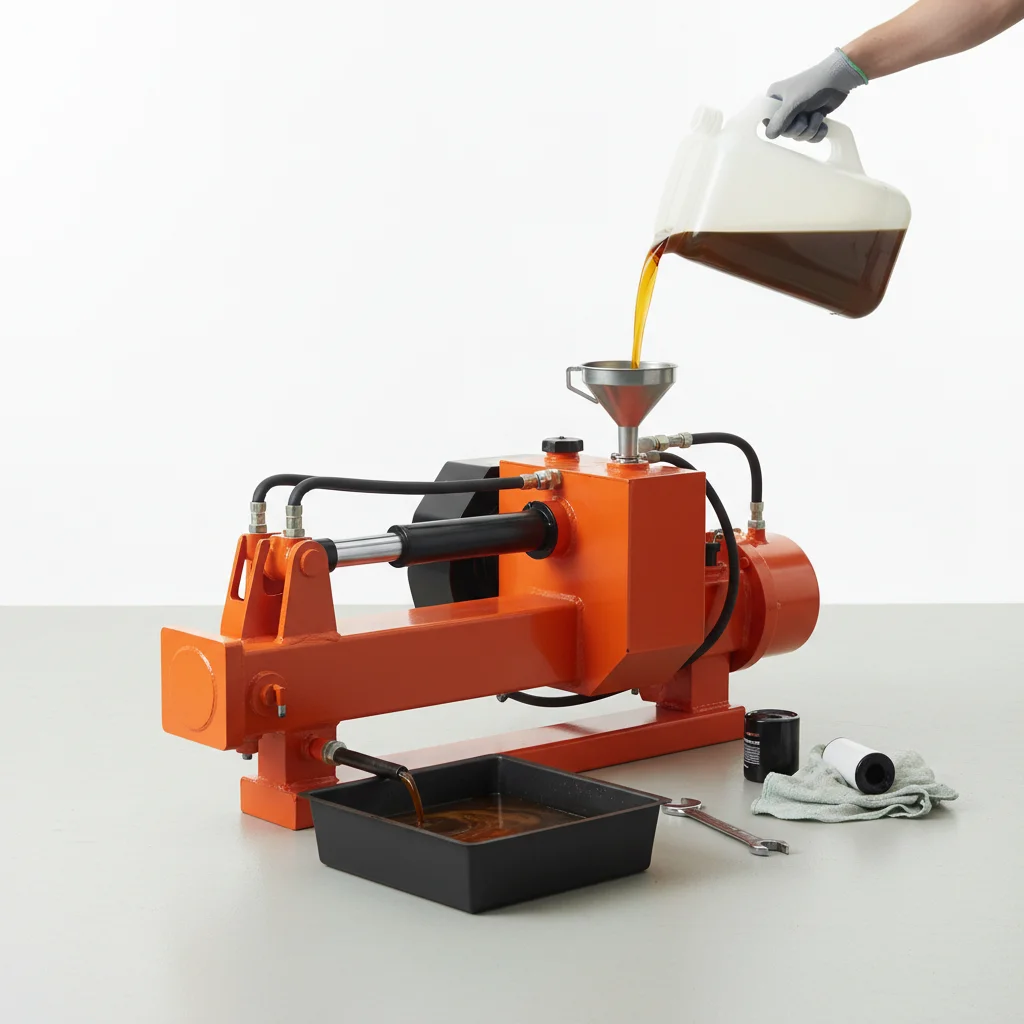
Changing your log splitter’s hydraulic fluid is a critical maintenance task that directly impacts its performance and longevity. For most residential log splitters, you should aim to change the hydraulic fluid every 50 hours of operation or at least once a year, whichever comes first. Commercial-grade machines, or those used under heavy loads, might require more frequent changes, potentially every 25-30 hours. This proactive approach prevents wear and tear on internal components and ensures smooth, efficient operation.
Why Hydraulic Fluid Changes Are Essential
Hydraulic fluid is the lifeblood of your log splitter, transmitting power from the engine to the ram. Over time, this fluid degrades due to heat, contamination, and oxidation. As it breaks down, its lubricating properties diminish, leading to increased friction, overheating, and potential damage to the hydraulic pump, valves, and seals. Regular changes remove these contaminants and replenish the system with fresh fluid, maintaining optimal viscosity and protective qualities.
Signs It’s Time for a Fluid Change
Beyond the recommended hour or annual interval, several signs indicate your hydraulic fluid needs attention. If your log splitter is operating sluggishly, making unusual noises, or the ram is not extending or retracting smoothly, old fluid could be a culprit. Visually inspect the fluid; if it appears dark, milky, or has a burnt smell, it’s definitely time for a change. A milky appearance often indicates water contamination, which can lead to rust and corrosion within the system.
The Process of Changing Hydraulic Fluid
|
Our Picks for the Best Log Splitter in 2026
As an Amazon Associate I earn from qualifying purchases.
|
||
| Num | Product | Action |
|---|---|---|
| 1 | 13.8 Inch XL Manual Log Splitter with Self-Locking V-Blade for Hands-Free Safety - Unbreakable Welded Steel Firewood Cutter - Rust-Proof Electroplated Finish for Large Rounds, Fireplace & Camping |

|
| 2 | 2 Pcs 4 Lbs Wood Splitting Wedges Manual Log Splitter Wedge 4-Direction Diamond Design Forged Steel Tool for Easy Wood Splitting Splits Firewood into 4 Pieces Less Effort (Orange) |
|
| 3 | Kindling Cracker Firewood Kindling Splitter — Original Cast Iron Wood Splitting Wedge, 6.5" Safety Ring, 12" Frame, No Axe Needed, New Zealand Designed & Australian Made |
|
| 4 | Kindling Cracker King XL Firewood Kindling Splitter – Extra-Large Cast Iron Wood Splitting Wedge, 9" Safety Ring, 17" Height, No Axe Needed, Made in Australia |
|
| 5 | Firewood Kindling Splitter for Wood, Heavy Duty Cast Iron Wood Splitters for Firewood with No Axe, Manual Log Splitter for Kindling Wedge Point with Safety Cover |
|
| 6 | Firewood Kindling Splitter, Manual Log Splitter, Cast Iron Log Splitting Wedge, Heavy Duty Wood Splitter Tool with Cover (Black) |
|
| 7 | Wood Kindling Splitter - The Firewood Kindling Tool for Wood Stove Fireplace and Fire Pit |
|
| 8 | Wall Mounted Wood Splitter: Dual-Handle Manual Kindling Splitter with 6-Tooth Clamping, Heavy Duty Steel Log Splitter for Soft Firewood, Includes Gloves and Screws for Indoor and Outdoor Use |
|
| 9 | KABIN Kindle Quick Compact Log Splitter - Manual Splitting Tool - Steel Wedge Point Splits Firewood Like A Boss Safely & Easily |
|
| 10 | ESTWING Sure Split Wedge - 5-Pound Wood Splitting Tool with Forged Steel Construction & 1-7/8" Cutting Edge - E-5 |
|
Changing hydraulic fluid is a straightforward process that most homeowners can perform. First, ensure the log splitter is on a level surface and the engine is off and cool. Locate the drain plug, typically at the bottom of the hydraulic reservoir. Place a large drain pan underneath to catch the old fluid. Remove the drain plug and allow all the old fluid to drain completely. Once drained, replace the plug securely. Next, locate the fill cap, usually on top of the reservoir. Using a funnel, slowly add the new, recommended hydraulic fluid, checking the dipstick frequently to avoid overfilling. Start the engine and cycle the ram a few times to bleed any air from the system, then recheck the fluid level and top off if necessary.
- Always consult your log splitter’s owner’s manual for specific fluid type and capacity.
- Ensure the log splitter is cool and on a level surface before starting.
- Use a clean drain pan to prevent contamination of the old fluid.
- Dispose of old hydraulic fluid responsibly at an authorized recycling center.
- Bleed air from the system by cycling the ram after refilling.
Choosing the Right Hydraulic Fluid
Selecting the correct type of hydraulic fluid is crucial. Most log splitters use AW (Anti-Wear) hydraulic oil, with common viscosities being AW32 or AW46. Your owner’s manual will specify the exact type and viscosity recommended for your model and operating climate. Using the wrong fluid can lead to poor performance, premature wear, and even system failure. Always opt for high-quality hydraulic fluid from a reputable brand to ensure maximum protection and efficiency for your machine.
Preventative Measures and Best Practices
Beyond regular fluid changes, several practices can extend the life of your hydraulic fluid and your log splitter. Keep the hydraulic reservoir cap clean and tightly sealed to prevent dirt and moisture from entering the system. Regularly inspect hydraulic hoses and fittings for leaks or damage, addressing them promptly. Store your log splitter in a dry, protected area to prevent rust and environmental contamination. By adhering to these maintenance guidelines, you can ensure your log splitter remains a reliable tool for years to come.
Get our weekly buyer guide
Practical specs, not advice. Unsubscribe anytime.

I appreciate the info on preventing wear and tear, but I wish there was more detail on how to actually dispose of the old hydraulic fluid. It’s always a pain to figure out where to take it. My residential splitter definitely needed a change after a year, even though I didn’t hit 50 hours. It was starting to sound a bit rough, so the annual change recommendation is spot on.
I used to just top off my fluid, but after reading about how often to change hydraulic fluid, I’m a convert. My old splitter was getting sluggish, and I thought it was just age. Turns out, a fresh fluid change at the 50-hour mark made a huge difference. It’s running like new again, splitting oak like butter. Definitely worth the small effort for the performance boost.
This was a good reminder about the importance of regular maintenance. I have a commercial-grade machine, and I’ve been pretty good about changing it every season, but I hadn’t considered the 25-30 hour guideline for heavy use. I’ll be keeping a closer eye on my hours now to make sure I’m not pushing it too far between changes. My only minor complaint is that finding the right type of fluid can sometimes be a hassle.
Excellent advice! I’ve always known hydraulic fluid was important, but I didn’t realize it degraded so much over time due to heat and contamination. I’ve got an older model, and after changing the fluid, the ram movement is noticeably smoother and more powerful. It’s clear that this proactive approach really does extend the life of the pump and valves. Don’t skip this maintenance!