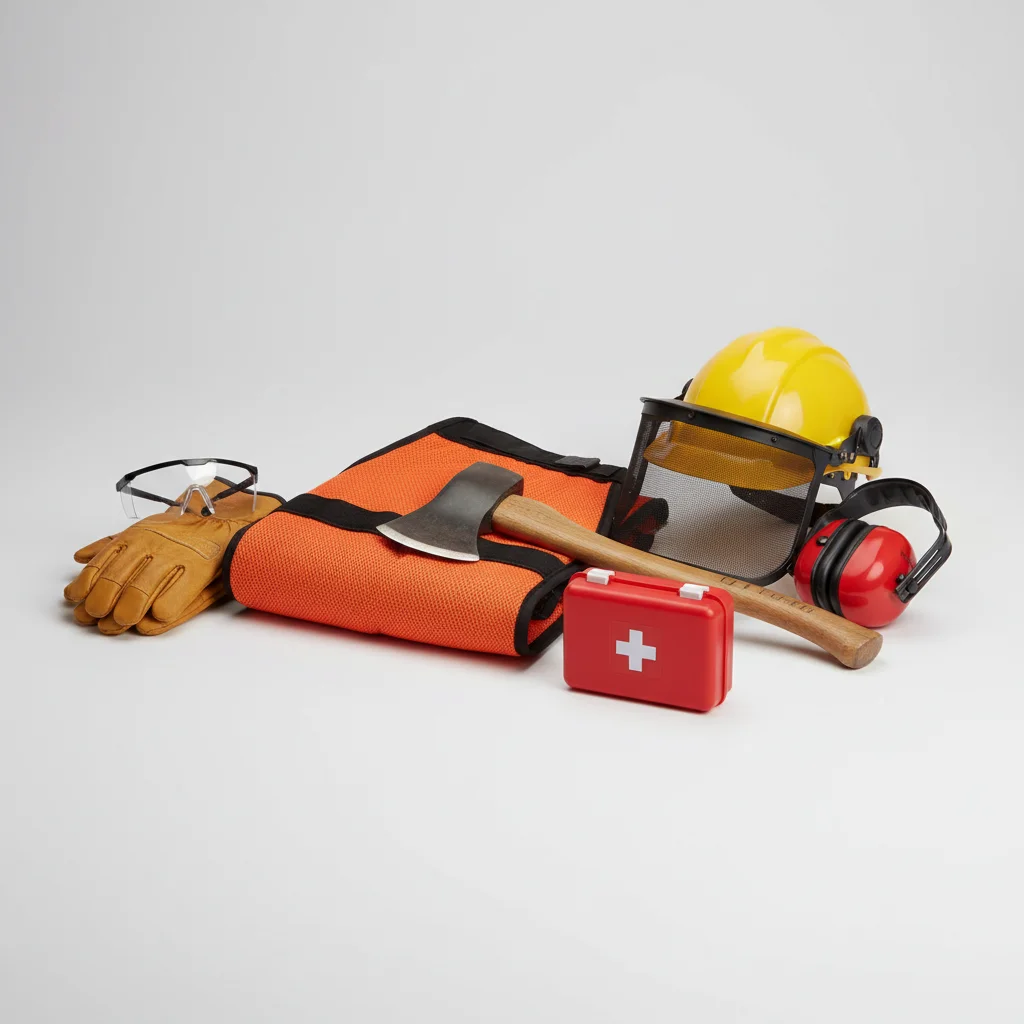
When operating a log splitter, prioritizing safety is paramount to prevent serious injuries. The most essential safety gear includes sturdy work gloves, eye protection, hearing protection, and steel-toed boots. These items collectively shield you from common hazards such as flying wood chips, loud machinery noise, and the risk of crushing injuries.
Why Eye Protection is Non-Negotiable
Flying wood chips, splinters, and debris are a constant threat when splitting logs. ANSI Z87.1-rated safety glasses or a face shield are crucial for protecting your eyes from impact. Even small fragments can cause severe damage, making proper eye protection a non-negotiable part of your log splitting routine. Always ensure your chosen eyewear fits snugly and doesn’t obstruct your vision.
Protecting Your Hands: The Right Gloves
Your hands are constantly exposed to rough wood, potential pinches, and vibrations. Heavy-duty work gloves, preferably made from leather or a cut-resistant material, offer vital protection. They improve grip, reduce the risk of splinters, and can mitigate the impact of minor bumps. Avoid loose-fitting gloves that could get caught in moving parts.
The Importance of Hearing Protection
|
Our Picks for the Best Log Splitter in 2026
As an Amazon Associate I earn from qualifying purchases.
|
||
| Num | Product | Action |
|---|---|---|
| 1 | ESTWING Sure Split Wedge - 5-Pound Wood Splitting Tool with Forged Steel Construction & 1-7/8" Cutting Edge - E-5 |

|
| 2 | Wood Kindling Splitter - The Firewood Kindling Tool for Wood Stove Fireplace and Fire Pit |
|
| 3 | Firewood Kindling Splitter for Wood, Heavy Duty Cast Iron Wood Splitters for Firewood with No Axe, Manual Log Splitter for Kindling Wedge Point with Safety Cover |
|
| 4 | KABIN Kindle Quick Compact Log Splitter - Manual Splitting Tool - Steel Wedge Point Splits Firewood Like A Boss Safely & Easily |
|
| 5 | Wall Mounted Wood Splitter: Dual-Handle Manual Kindling Splitter with 6-Tooth Clamping, Heavy Duty Steel Log Splitter for Soft Firewood, Includes Gloves and Screws for Indoor and Outdoor Use |
|
| 6 | Firewood Kindling Splitter, Manual Log Splitter, Cast Iron Log Splitting Wedge, Heavy Duty Wood Splitter Tool with Cover (Black) |
|
| 7 | Kindling Cracker King XL Firewood Kindling Splitter – Extra-Large Cast Iron Wood Splitting Wedge, 9" Safety Ring, 17" Height, No Axe Needed, Made in Australia |
|
| 8 | 13.8 Inch XL Manual Log Splitter with Self-Locking V-Blade for Hands-Free Safety - Unbreakable Welded Steel Firewood Cutter - Rust-Proof Electroplated Finish for Large Rounds, Fireplace & Camping |
|
| 9 | 2 Pcs 4 Lbs Wood Splitting Wedges Manual Log Splitter Wedge 4-Direction Diamond Design Forged Steel Tool for Easy Wood Splitting Splits Firewood into 4 Pieces Less Effort (Orange) |
|
| 10 | Kindling Cracker Firewood Kindling Splitter — Original Cast Iron Wood Splitting Wedge, 6.5" Safety Ring, 12" Frame, No Axe Needed, New Zealand Designed & Australian Made |
|
Log splitters, especially gas-powered models, can produce noise levels that exceed safe limits for prolonged exposure. Consistent exposure to loud noise can lead to permanent hearing damage. Earmuffs or earplugs with a high Noise Reduction Rating (NRR) are essential to safeguard your hearing. Aim for an NRR of at least 25 dB for effective protection.
Footwear: Steel-Toed Boots for Maximum Safety
The risk of dropping a heavy log or having the splitter’s ram come into contact with your feet is significant. Steel-toed boots provide a critical barrier against crushing injuries. They also offer better traction on uneven terrain, reducing the chance of slips and falls. Never operate a log splitter in open-toed shoes or flimsy footwear.
Additional Safety Considerations
Beyond personal protective equipment, maintaining a clear work area and understanding your machine’s operation are vital. Always read your log splitter’s manual thoroughly before use. Ensure children and pets are kept far away from the operating zone. Regular maintenance checks can also prevent unexpected malfunctions that could lead to accidents.
- Always wear appropriate personal protective equipment.
- Maintain a clear and stable work environment.
- Never operate the splitter alone; have someone nearby in case of emergency.
- Inspect logs for nails or foreign objects before splitting.
- Keep hands and feet clear of the ram and wedge at all times.
By consistently adhering to these safety practices and wearing the recommended gear, you significantly reduce the risk of accidents and ensure a safer log splitting experience. Remember, a few moments spent on preparation can prevent a lifetime of regret.Investing in quality safety gear is an investment in your well-being.Don’t compromise on safety when working with powerful machinery.
Get our weekly buyer guide
Practical specs, not advice. Unsubscribe anytime.

The advice on ANSI Z87.1-rated safety glasses really hit home. I had a close call with a flying wood chip last year, and it was terrifying. Now I always double-check my eyewear before starting. I wish the post had mentioned a few specific brands of face shields, but overall, it’s a great reminder to stay safe.
I used to just wear regular work gloves, but after reading about the importance of sturdy, vibration-dampening gloves, I upgraded. What a difference! My hands feel so much better after a long session, and I’m not worried about splinters anymore. Definitely worth the investment for anyone serious about splitting wood.
This post was a great reminder about the collective shield approach to safety gear. I’ve always been good about eye protection, but I sometimes forget how crucial all the pieces are together. It’s easy to get complacent, but preventing crushing injuries is no joke. Thanks for the thorough breakdown.
Good info on the steel-toed boots, but I found the section on hearing protection a bit basic. I already knew loud machinery was a problem. I was hoping for more detailed recommendations on different types of ear defenders or noise-canceling options for extended use. Still, it’s a solid overview for beginners.