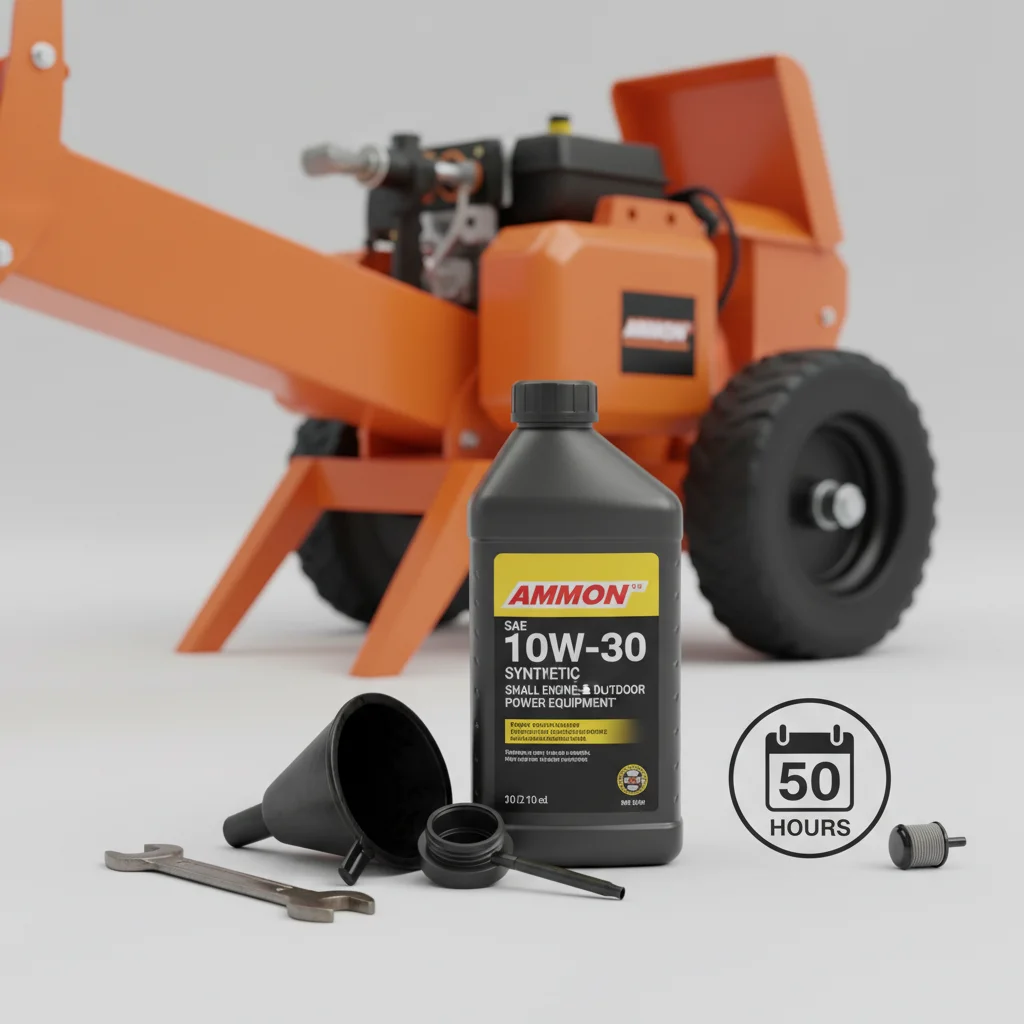
The frequency of changing your log splitter’s engine oil depends heavily on its usage and the type of oil. For most residential gas log splitters used seasonally, changing the engine oil once a year or every 50 operating hours, whichever comes first, is a good general guideline. However, commercial users or those operating their splitters in dusty or extreme conditions may need to perform oil changes more frequently, potentially every 25-30 hours.
Why Regular Engine Oil Changes Are Crucial
Engine oil is the lifeblood of your log splitter’s engine. It lubricates moving parts, reduces friction, dissipates heat, and helps to keep the engine clean by suspending contaminants. Over time, oil breaks down due to heat and contamination, losing its ability to protect the engine effectively. Neglecting oil changes can lead to increased wear and tear, reduced performance, and ultimately, premature engine failure. Fresh oil ensures optimal engine health and extends the lifespan of your equipment.
Factors Influencing Oil Change Intervals
Several factors dictate how often you should change your log splitter’s engine oil:
- Usage Frequency: A splitter used weekly will require more frequent changes than one used a few times a season.
- Operating Conditions: Dusty environments, extreme temperatures (very hot or very cold), and heavy-duty splitting tasks put more stress on the oil, necessitating earlier changes.
- Oil Type: Conventional oils typically require more frequent changes than synthetic oils, which offer better stability and protection over longer periods.
- Engine Age: Older engines might benefit from slightly more frequent oil changes to maintain performance and address potential wear.
- Manufacturer Recommendations: Always consult your log splitter’s owner’s manual for the specific oil change intervals and oil type recommended by the manufacturer. This is the most authoritative source for your particular model.
Choosing the Right Engine Oil
Selecting the correct engine oil is just as important as changing it regularly. Most small engines, including those found on log splitters, use SAE 30, 10W-30, or 5W-30 oil. The specific viscosity will depend on the ambient temperature range in which you operate your splitter. For colder climates, a multi-viscosity oil like 5W-30 or 10W-30 is often recommended for easier starting. Always refer to your owner’s manual for the exact specifications. Using the wrong type of oil can lead to poor lubrication and engine damage.
The Oil Change Process: A Quick Overview
|
Our Picks for the Best Log Splitter in 2026
As an Amazon Associate I earn from qualifying purchases.
|
||
| Num | Product | Action |
|---|---|---|
| 1 | 13.8 Inch XL Manual Log Splitter with Self-Locking V-Blade for Hands-Free Safety - Unbreakable Welded Steel Firewood Cutter - Rust-Proof Electroplated Finish for Large Rounds, Fireplace & Camping |

|
| 2 | 2 Pcs 4 Lbs Wood Splitting Wedges Manual Log Splitter Wedge 4-Direction Diamond Design Forged Steel Tool for Easy Wood Splitting Splits Firewood into 4 Pieces Less Effort (Orange) |
|
| 3 | Wall Mounted Wood Splitter: Dual-Handle Manual Kindling Splitter with 6-Tooth Clamping, Heavy Duty Steel Log Splitter for Soft Firewood, Includes Gloves and Screws for Indoor and Outdoor Use |
|
| 4 | Kindling Cracker Firewood Kindling Splitter — Original Cast Iron Wood Splitting Wedge, 6.5" Safety Ring, 12" Frame, No Axe Needed, New Zealand Designed & Australian Made |
|
| 5 | Firewood Kindling Splitter, Manual Log Splitter, Cast Iron Log Splitting Wedge, Heavy Duty Wood Splitter Tool with Cover (Black) |
|
| 6 | ESTWING Sure Split Wedge - 5-Pound Wood Splitting Tool with Forged Steel Construction & 1-7/8" Cutting Edge - E-5 |
|
| 7 | Wood Kindling Splitter - The Firewood Kindling Tool for Wood Stove Fireplace and Fire Pit |
|
| 8 | Kindling Cracker King XL Firewood Kindling Splitter – Extra-Large Cast Iron Wood Splitting Wedge, 9" Safety Ring, 17" Height, No Axe Needed, Made in Australia |
|
| 9 | KABIN Kindle Quick Compact Log Splitter - Manual Splitting Tool - Steel Wedge Point Splits Firewood Like A Boss Safely & Easily |
|
| 10 | Firewood Kindling Splitter for Wood, Heavy Duty Cast Iron Wood Splitters for Firewood with No Axe, Manual Log Splitter for Kindling Wedge Point with Safety Cover |
|
Changing your log splitter’s engine oil is a straightforward maintenance task that most homeowners can perform. First, run the engine for a few minutes to warm the oil, making it flow more easily. Then, shut off the engine and disconnect the spark plug wire for safety. Place a drain pan beneath the oil drain plug, typically located at the bottom of the engine. Remove the drain plug and allow all the old oil to drain completely. Replace the drain plug, then remove the oil fill cap and carefully pour in the new, recommended engine oil. Use a funnel to prevent spills and check the dipstick frequently to ensure you don’t overfill. Once the oil level is correct, replace the fill cap and reconnect the spark plug wire. Dispose of the old oil responsibly at an authorized recycling center.
For a comprehensive guide on selecting the best engine oil for your specific log splitter model, consider checking out. This resource provides detailed comparisons and recommendations based on engine type and operating conditions. Regular oil changes are a small investment in time and money that can save you significant repair costs down the line and ensure your log splitter is always ready for the toughest woodpiles.
Signs It’s Time for an Oil Change
Beyond the recommended intervals, there are visual and performance cues that indicate your log splitter’s engine oil needs changing. If the oil on the dipstick appears dark, thick, or has a strong burnt smell, it’s time for a change. You might also notice a decrease in engine performance, increased engine noise, or even excessive smoke from the exhaust. These are all indicators that the oil is no longer providing adequate lubrication and protection. Don’t wait for these signs if you’re already past your recommended service interval.
Maintaining your log splitter’s engine with regular oil changes is a fundamental aspect of its longevity and reliable operation. By following manufacturer guidelines and paying attention to your equipment’s performance, you can ensure your splitter remains a powerful and efficient tool for years to come. For essential tools and supplies needed for DIY log splitter maintenance, including oil filters and funnels, explore options at.
Get our weekly buyer guide
Practical specs, not advice. Unsubscribe anytime.
