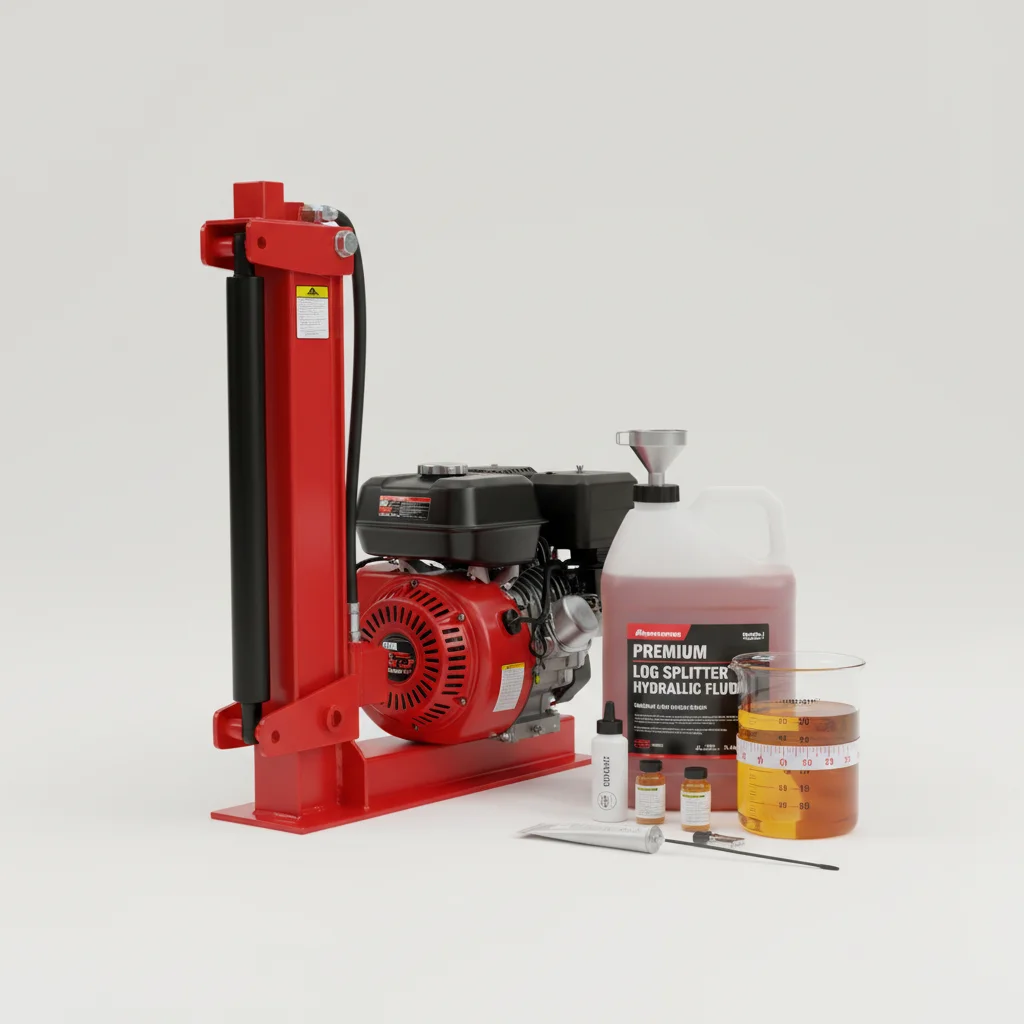
The amount of hydraulic fluid a log splitter needs varies significantly, typically ranging from 3 to 15 gallons, depending on the model’s tonnage, cylinder size, and reservoir capacity. Smaller electric log splitters might only require 3-5 gallons, while large commercial or heavy-duty gas-powered units can hold 10-15 gallons or more. Always consult your log splitter’s owner’s manual for the precise capacity and recommended fluid type to ensure optimal performance and longevity.
Understanding Your Log Splitter’s Hydraulic System
A log splitter’s hydraulic system is its heart, converting engine power into the force that splits wood. This system relies on hydraulic fluid to transmit pressure. The fluid is stored in a reservoir, then pumped through hoses to the hydraulic cylinder, which extends and retracts the ram. The volume of fluid directly impacts the system’s ability to operate efficiently and dissipate heat. An underfilled system can lead to cavitation, overheating, and premature component wear, while an overfilled system can cause pressure issues and leaks.
Factors Influencing Fluid Capacity
Several key factors determine the hydraulic fluid capacity of a log splitter. The most significant is the tonnage rating; higher tonnage splitters generally have larger cylinders and reservoirs to accommodate the increased hydraulic demands. The physical size of the hydraulic cylinder, specifically its bore and stroke, also plays a crucial role. Larger cylinders require more fluid to extend fully. Finally, the design of the hydraulic reservoir itself, which holds the fluid, dictates the maximum volume it can contain. Manufacturers design these reservoirs to match the system’s requirements, ensuring adequate fluid for operation and cooling.
Checking and Maintaining Fluid Levels
|
Our Picks for the Best Log Splitter in 2026
As an Amazon Associate I earn from qualifying purchases.
|
||
| Num | Product | Action |
|---|---|---|
| 1 | ESTWING Sure Split Wedge - 5-Pound Wood Splitting Tool with Forged Steel Construction & 1-7/8" Cutting Edge - E-5 |

|
| 2 | 13.8 Inch XL Manual Log Splitter with Self-Locking V-Blade for Hands-Free Safety - Unbreakable Welded Steel Firewood Cutter - Rust-Proof Electroplated Finish for Large Rounds, Fireplace & Camping |
|
| 3 | Wood Kindling Splitter - The Firewood Kindling Tool for Wood Stove Fireplace and Fire Pit |
|
| 4 | Wall Mounted Wood Splitter: Dual-Handle Manual Kindling Splitter with 6-Tooth Clamping, Heavy Duty Steel Log Splitter for Soft Firewood, Includes Gloves and Screws for Indoor and Outdoor Use |
|
| 5 | Firewood Kindling Splitter for Wood, Heavy Duty Cast Iron Wood Splitters for Firewood with No Axe, Manual Log Splitter for Kindling Wedge Point with Safety Cover |
|
| 6 | Kindling Cracker Firewood Kindling Splitter — Original Cast Iron Wood Splitting Wedge, 6.5" Safety Ring, 12" Frame, No Axe Needed, New Zealand Designed & Australian Made |
|
| 7 | Kindling Cracker King XL Firewood Kindling Splitter – Extra-Large Cast Iron Wood Splitting Wedge, 9" Safety Ring, 17" Height, No Axe Needed, Made in Australia |
|
| 8 | Firewood Kindling Splitter, Manual Log Splitter, Cast Iron Log Splitting Wedge, Heavy Duty Wood Splitter Tool with Cover (Black) |
|
| 9 | 2 Pcs 4 Lbs Wood Splitting Wedges Manual Log Splitter Wedge 4-Direction Diamond Design Forged Steel Tool for Easy Wood Splitting Splits Firewood into 4 Pieces Less Effort (Orange) |
|
| 10 | KABIN Kindle Quick Compact Log Splitter - Manual Splitting Tool - Steel Wedge Point Splits Firewood Like A Boss Safely & Easily |
|
Regularly checking your log splitter’s hydraulic fluid level is essential for its health. Most log splitters have a dipstick or a sight glass on the reservoir for easy level checks. Always check the fluid when the splitter is cold and on a level surface, with the ram fully retracted. If the fluid level is low, top it off with the manufacturer-recommended hydraulic fluid. It’s also important to inspect the fluid for discoloration or contaminants, which can indicate a need for a full fluid change. A typical hydraulic fluid change interval is every 50-100 hours of operation or annually, whichever comes first.
- Always consult your owner’s manual for exact fluid specifications.
- Check fluid levels before each use, or at least weekly during active splitting.
- Ensure the log splitter is on level ground and the ram is retracted.
- Use a clean funnel to add fluid to prevent contamination.
- Dispose of old hydraulic fluid responsibly at an approved facility.
Consequences of Incorrect Fluid Levels
Operating a log splitter with incorrect hydraulic fluid levels can lead to a range of problems. If the fluid level is too low, the pump can draw in air, leading to cavitation. This causes a distinctive whining noise, reduces splitting power, and can severely damage the pump over time. Insufficient fluid also means less volume to dissipate heat, leading to overheating of the hydraulic system, which degrades the fluid and other components. Conversely, an overfilled reservoir can create excessive pressure, potentially blowing seals, causing leaks, and even damaging the pump or control valve. Maintaining the correct fluid level is a simple yet critical aspect of log splitter maintenance.
Recommended Hydraulic Fluid Types
While specific recommendations vary by manufacturer, most log splitters use AW (Anti-Wear) hydraulic fluid, typically AW-32 or AW-46. AW-32 is suitable for colder climates, offering better flow at lower temperatures, while AW-46 is more common for general use and warmer conditions. Some manufacturers may specify a universal tractor hydraulic fluid (UTHF) or even a specific motor oil, though this is less common for dedicated log splitters. Always refer to your log splitter’s manual for the exact type and viscosity grade. Using the wrong fluid can lead to poor performance, seal degradation, and system damage. For a reliable option, considerwhich is widely compatible with many log splitter models. If you’re looking for a high-performance synthetic option that offers extended change intervals,is an excellent choice.
Get our weekly buyer guide
Practical specs, not advice. Unsubscribe anytime.
