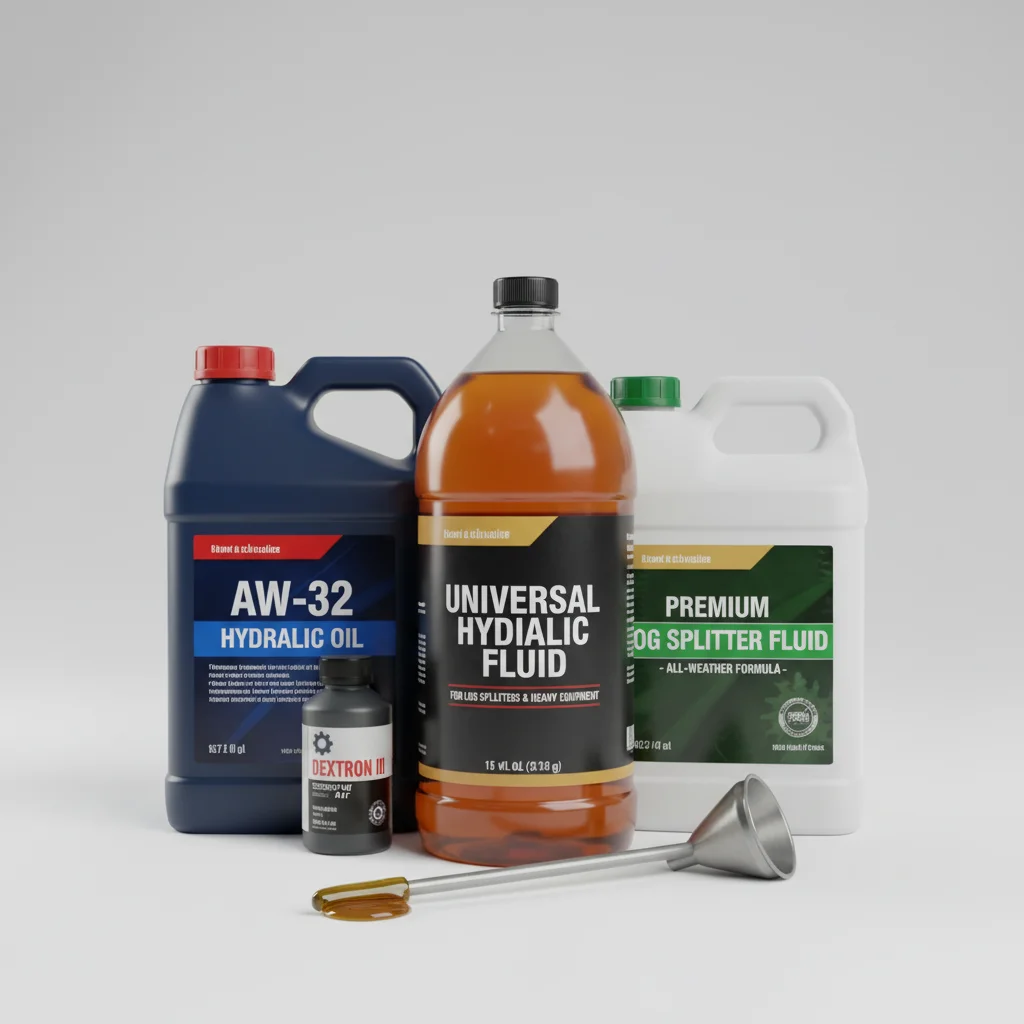
Choosing the correct hydraulic fluid for your log splitter is crucial for its longevity and optimal performance. The most common and recommended type of hydraulic fluid for log splitters is AW-32 or AW-46, which are anti-wear hydraulic oils. These fluids are specifically formulated to protect the internal components of your log splitter’s hydraulic system from wear and tear, ensuring smooth operation and extending the life of your equipment.
Understanding Hydraulic Fluid Viscosity
Hydraulic fluid viscosity refers to its resistance to flow. For log splitters, the ambient temperature where the machine is operated plays a significant role in determining the appropriate viscosity. AW-32 is generally suitable for colder climates or when operating in temperatures below 32°F (0°C), as it flows more easily. AW-46, on the other hand, is better suited for warmer climates or operating temperatures above 32°F (0°C) due to its thicker consistency, which provides better lubrication at higher temperatures. For explore our log splitters reviews on this site.
Using the wrong viscosity can lead to several issues, including reduced splitting power, increased wear on the pump and other components, and even system overheating. Always consult your log splitter’s owner’s manual for the manufacturer’s specific recommendations regarding hydraulic fluid type and viscosity.
The Importance of Anti-Wear Additives
Anti-wear (AW) additives are critical components in hydraulic fluids designed for log splitters. These additives form a protective layer on metal surfaces within the hydraulic system, preventing direct metal-to-metal contact and significantly reducing friction and wear. This protection is especially important for high-pressure systems like those found in log splitters, where components like the hydraulic pump and cylinder are constantly under stress.
Without adequate anti-wear protection, the lifespan of your log splitter’s hydraulic components can be drastically shortened, leading to costly repairs and downtime. Always ensure the hydraulic fluid you choose explicitly states it contains anti-wear properties.
Synthetic vs. Conventional Hydraulic Fluids
|
Our Picks for the Best Log Splitter in 2026
As an Amazon Associate I earn from qualifying purchases.
|
||
| Num | Product | Action |
|---|---|---|
| 1 | Kindling Cracker King XL Firewood Kindling Splitter – Extra-Large Cast Iron Wood Splitting Wedge, 9" Safety Ring, 17" Height, No Axe Needed, Made in Australia |

|
| 2 | 13.8 Inch XL Manual Log Splitter with Self-Locking V-Blade for Hands-Free Safety - Unbreakable Welded Steel Firewood Cutter - Rust-Proof Electroplated Finish for Large Rounds, Fireplace & Camping |
|
| 3 | ESTWING Sure Split Wedge - 5-Pound Wood Splitting Tool with Forged Steel Construction & 1-7/8" Cutting Edge - E-5 |
|
| 4 | Kindling Cracker Firewood Kindling Splitter — Original Cast Iron Wood Splitting Wedge, 6.5" Safety Ring, 12" Frame, No Axe Needed, New Zealand Designed & Australian Made |
|
| 5 | Firewood Kindling Splitter for Wood, Heavy Duty Cast Iron Wood Splitters for Firewood with No Axe, Manual Log Splitter for Kindling Wedge Point with Safety Cover |
|
| 6 | KABIN Kindle Quick Compact Log Splitter - Manual Splitting Tool - Steel Wedge Point Splits Firewood Like A Boss Safely & Easily |
|
| 7 | 2 Pcs 4 Lbs Wood Splitting Wedges Manual Log Splitter Wedge 4-Direction Diamond Design Forged Steel Tool for Easy Wood Splitting Splits Firewood into 4 Pieces Less Effort (Orange) |
|
| 8 | Firewood Kindling Splitter, Manual Log Splitter, Cast Iron Log Splitting Wedge, Heavy Duty Wood Splitter Tool with Cover (Black) |
|
| 9 | Wall Mounted Wood Splitter: Dual-Handle Manual Kindling Splitter with 6-Tooth Clamping, Heavy Duty Steel Log Splitter for Soft Firewood, Includes Gloves and Screws for Indoor and Outdoor Use |
|
| 10 | Wood Kindling Splitter - The Firewood Kindling Tool for Wood Stove Fireplace and Fire Pit |
|
Both synthetic and conventional (mineral-based) hydraulic fluids are available for log splitters. Conventional fluids are typically more affordable and perform well under normal operating conditions. Synthetic fluids, while more expensive, offer superior performance in extreme temperatures, better oxidation stability, and extended service life. They can be a good investment for commercial users or those who operate their log splitters frequently in demanding environments.
For most home users, a high-quality conventional AW-32 or AW-46 fluid will suffice. However, if you’re looking for maximum protection and extended drain intervals, synthetic options are worth considering.
When to Change Your Hydraulic Fluid
Regular hydraulic fluid changes are essential for maintaining your log splitter’s performance and preventing premature wear. The frequency of changes depends on several factors, including the type of fluid used, the intensity of operation, and environmental conditions. As a general guideline, most manufacturers recommend changing the hydraulic fluid every 100-200 hours of operation or at least once a year, whichever comes first.
- Check fluid level before each use.
- Inspect fluid for discoloration or cloudiness.
- Change fluid annually or after 100-200 hours of use.
- Always use a clean funnel and container when adding fluid.
- Dispose of old hydraulic fluid responsibly.
Refer to your log splitter’s manual for precise maintenance schedules. Neglecting fluid changes can lead to sludge buildup, reduced lubrication, and eventual system failure.
Mixing Hydraulic Fluids: A Cautionary Note
It is generally not recommended to mix different types or brands of hydraulic fluid. Mixing fluids can lead to compatibility issues between additives, potentially causing fluid degradation, foaming, or the formation of harmful precipitates. This can compromise the fluid’s protective properties and damage your log splitter’s hydraulic system. If you need to top off your fluid, try to use the same type and brand that is already in the system. If a complete fluid change is necessary, ensure the system is thoroughly drained before introducing new fluid.
Get our weekly buyer guide
Practical specs, not advice. Unsubscribe anytime.
