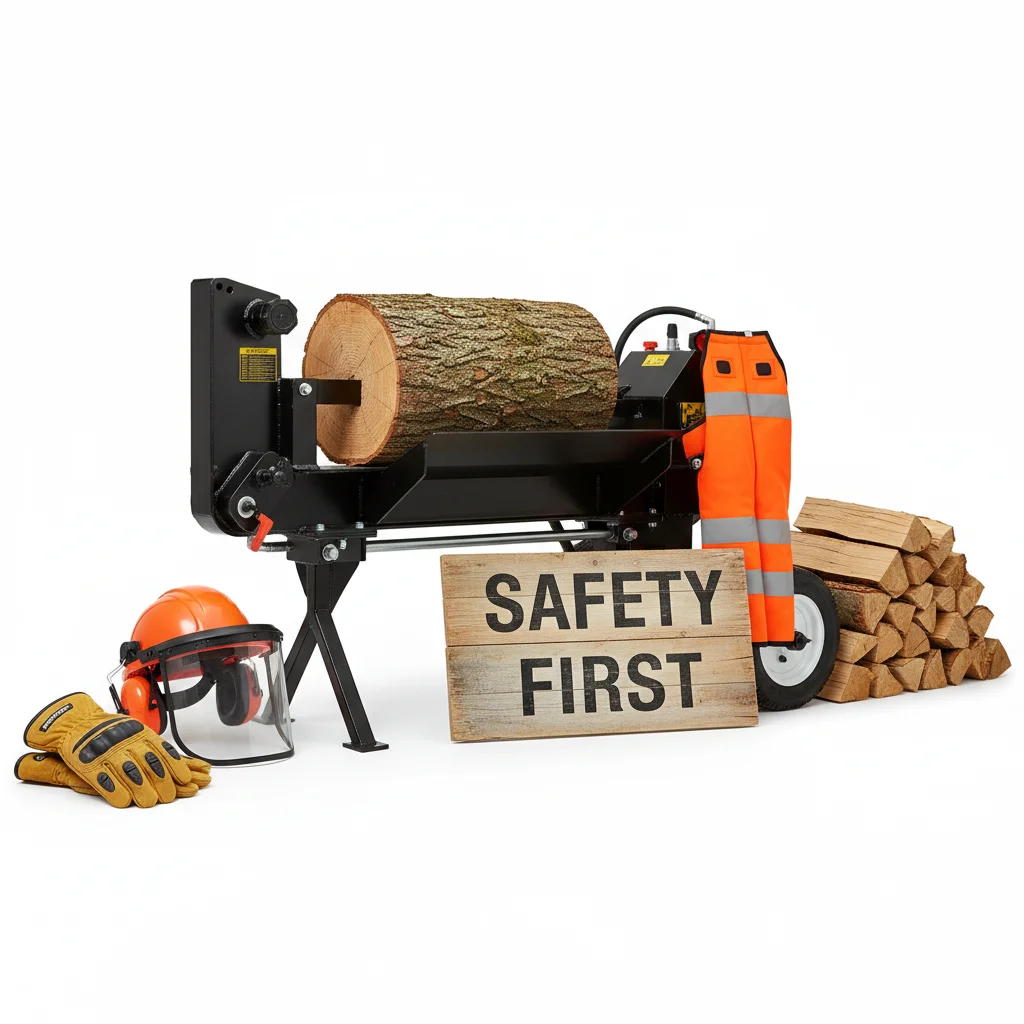
Preventing kickback accidents with a log splitter involves a combination of proper technique, equipment maintenance, and awareness of the wood you are processing. The most critical step is to always position logs securely on the splitting wedge and ensure your hands are clear of the splitting path. Kickback, where a log is violently ejected from the splitter, is a significant hazard that can lead to serious injury if not properly addressed.
Understanding the causes of kickback is the first step in prevention. It often occurs when logs are not properly centered, contain knots, or are split at an awkward angle. The force of the wedge can cause the log to jump or fly back towards the operator. Always wear appropriate personal protective equipment (PPE) including safety glasses, gloves, and sturdy footwear.
Understanding Log Splitter Kickback Mechanics
Kickback in log splitters is primarily a result of uneven pressure distribution or obstructions within the wood. When the splitting wedge encounters a knot or a particularly dense section, the resistance can cause the log to pivot or be propelled backward. This is especially common with irregularly shaped logs or those with branches still attached. The hydraulic pressure, while powerful, can also contribute to the force of a kickback if the log isn’t properly secured against the ram or wedge.
Another factor is the condition of the splitting wedge itself. A dull or damaged wedge can increase the likelihood of kickback as it may not penetrate the wood cleanly, leading to more resistance and a greater chance of the log deflecting. Regularly inspecting and sharpening your wedge is a simple yet effective preventative measure.
Proper Log Placement and Handling Techniques
Correct log placement is paramount to preventing kickback. Always place logs firmly on the splitting beam, ensuring they are centered and stable. Avoid splitting logs that are too long for your machine’s capacity, as this can lead to instability and increased risk. When splitting, stand to the side of the log, never directly behind it, to minimize exposure to potential kickback. Use both hands to guide the log into position, but remove them before engaging the splitting ram.
For larger or heavier logs, consider using a log lift or a second person to assist with positioning, always maintaining a safe distance from the splitting zone. Never attempt to hold a log in place with your foot or any part of your body while the splitter is operating.
Maintaining Your Log Splitter for Safety
|
Our Picks for the Best Log Splitter in 2026
As an Amazon Associate I earn from qualifying purchases.
|
||
| Num | Product | Action |
|---|---|---|
| 1 | Wall Mounted Wood Splitter: Dual-Handle Manual Kindling Splitter with 6-Tooth Clamping, Heavy Duty Steel Log Splitter for Soft Firewood, Includes Gloves and Screws for Indoor and Outdoor Use |

|
| 2 | Firewood Kindling Splitter, Manual Log Splitter, Cast Iron Log Splitting Wedge, Heavy Duty Wood Splitter Tool with Cover (Black) |
|
| 3 | Kindling Cracker King XL Firewood Kindling Splitter – Extra-Large Cast Iron Wood Splitting Wedge, 9" Safety Ring, 17" Height, No Axe Needed, Made in Australia |
|
| 4 | KABIN Kindle Quick Compact Log Splitter - Manual Splitting Tool - Steel Wedge Point Splits Firewood Like A Boss Safely & Easily |
|
| 5 | ESTWING Sure Split Wedge - 5-Pound Wood Splitting Tool with Forged Steel Construction & 1-7/8" Cutting Edge - E-5 |
|
| 6 | Wood Kindling Splitter - The Firewood Kindling Tool for Wood Stove Fireplace and Fire Pit |
|
| 7 | 2 Pcs 4 Lbs Wood Splitting Wedges Manual Log Splitter Wedge 4-Direction Diamond Design Forged Steel Tool for Easy Wood Splitting Splits Firewood into 4 Pieces Less Effort (Orange) |
|
| 8 | Kindling Cracker Firewood Kindling Splitter — Original Cast Iron Wood Splitting Wedge, 6.5" Safety Ring, 12" Frame, No Axe Needed, New Zealand Designed & Australian Made |
|
| 9 | Firewood Kindling Splitter for Wood, Heavy Duty Cast Iron Wood Splitters for Firewood with No Axe, Manual Log Splitter for Kindling Wedge Point with Safety Cover |
|
| 10 | 13.8 Inch XL Manual Log Splitter with Self-Locking V-Blade for Hands-Free Safety - Unbreakable Welded Steel Firewood Cutter - Rust-Proof Electroplated Finish for Large Rounds, Fireplace & Camping |
|
Regular maintenance is crucial for safe log splitter operation. Beyond sharpening the wedge, check all hydraulic lines and connections for leaks or damage. A properly functioning hydraulic system ensures smooth and predictable operation, reducing the chances of unexpected movements that could lead to kickback. Inspect the log cradles and beam for any wear or damage that might compromise their ability to hold logs securely.
Ensure all safety guards are in place and functioning correctly. If your splitter has a two-hand operation control, verify that both controls require simultaneous engagement to prevent accidental activation. Always consult your owner’s manual for specific maintenance schedules and safety guidelines for your model.
Essential Personal Protective Equipment (PPE)
Wearing the right PPE is non-negotiable when operating a log splitter. This includes:
- Safety Glasses or Goggles: To protect against flying wood chips and debris.
- Heavy-Duty Gloves: To protect hands from splinters, cuts, and vibrations.
- Steel-Toed Boots: To prevent foot injuries from falling logs or equipment.
- Hearing Protection: For gas-powered splitters, to guard against noise-induced hearing loss.
- Long-Sleeved Shirt and Pants: To protect skin from abrasions and splinters.
Never operate a log splitter while wearing loose clothing or jewelry that could get caught in moving parts.
Recognizing and Avoiding Risky Wood Conditions
Certain types of wood and conditions increase the risk of kickback. Wood with many knots, especially large ones, can be unpredictable to split. Similarly, very wet or frozen wood can be harder to split and more prone to sudden movements. Avoid splitting wood that is severely twisted or has embedded foreign objects like nails or rocks.
If a log appears particularly challenging, consider splitting it into smaller, more manageable pieces with an axe or chainsaw first, if safe to do so. Always err on the side of caution; if a log feels unstable or presents an unusual challenge, it’s better to find an alternative method or discard it rather than risk injury.
Get our weekly buyer guide
Practical specs, not advice. Unsubscribe anytime.
