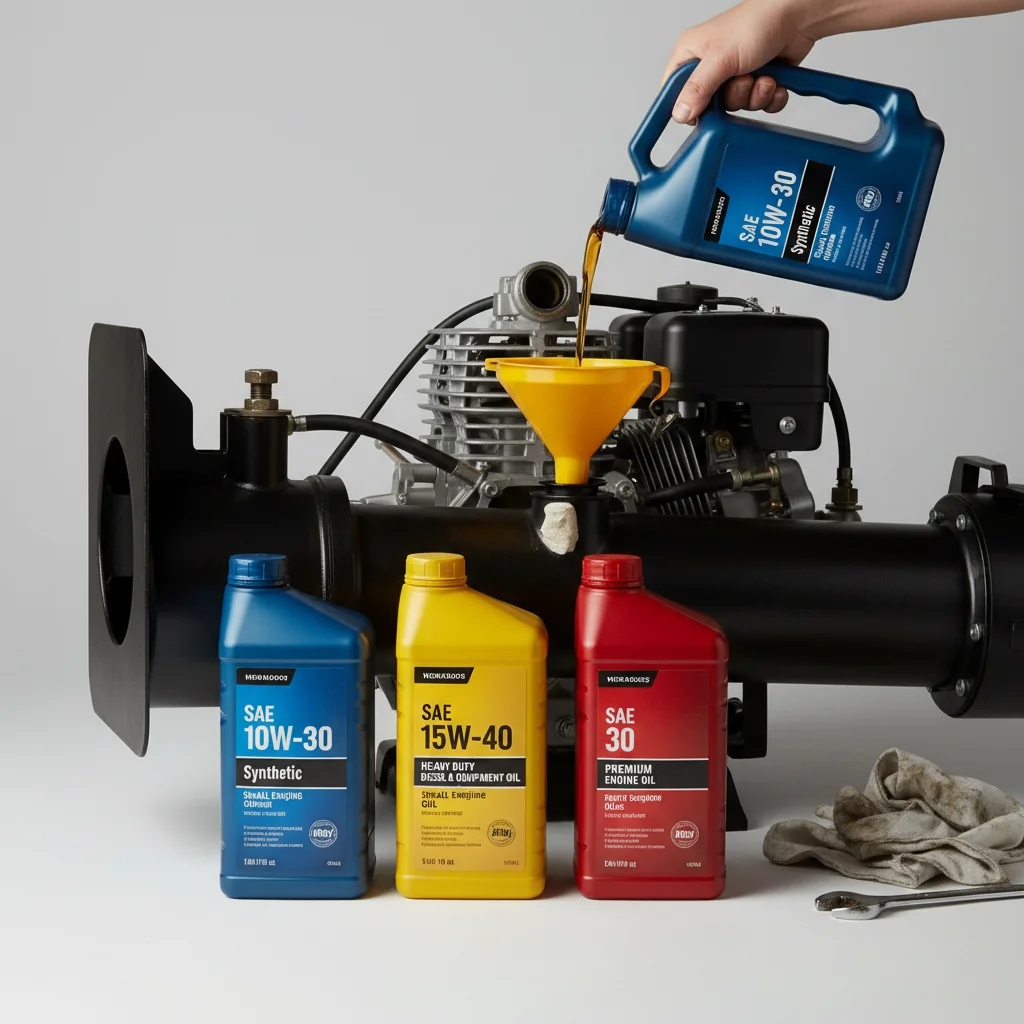
Choosing the correct engine oil for your log splitter is crucial for its longevity and performance. For most gasoline-powered log splitters, a 10W-30 or 10W-40 conventional or synthetic blend motor oil is recommended, especially for general use in moderate climates. However, specific recommendations can vary based on the engine manufacturer and the ambient temperature range in which the splitter will operate.
Understanding Engine Oil Viscosity for Log Splitters
Engine oil viscosity, indicated by numbers like ’10W-30′, refers to the oil’s resistance to flow. The ‘W’ stands for winter, and the number preceding it (e.g., 10W) indicates the oil’s viscosity at cold temperatures. The second number (e.g., 30) indicates its viscosity at operating temperature. A lower ‘W’ number means the oil flows more easily in cold weather, which is important for starting the engine. A higher second number provides better protection at higher operating temperatures. For browse all log splitters articles on this site.
For log splitters used in colder climates (below 32°F or 0°C), a 5W-30 or even 0W-30 oil might be more suitable to ensure easier starting and proper lubrication during initial operation. Conversely, in consistently hot climates (above 90°F or 32°C), a 10W-40 or even straight 30-weight oil might be preferred for enhanced high-temperature protection, though multi-viscosity oils are generally more versatile.
Conventional vs. Synthetic vs. Synthetic Blend
The type of engine oil also plays a significant role. Conventional oils are petroleum-based and are the most common and affordable option. Synthetic blend oils combine conventional and synthetic base oils, offering improved performance over conventional oils at a moderate price. Full synthetic oils are engineered for superior performance, offering better protection against wear, extreme temperatures, and sludge buildup. While more expensive, synthetic oils can extend engine life and oil change intervals, making them a worthwhile investment for frequently used or high-performance log splitters.
- Conventional Oil: Cost-effective, suitable for light to moderate use in temperate climates.
- Synthetic Blend Oil: Good balance of performance and price, improved cold-weather flow and high-temperature protection.
- Full Synthetic Oil: Premium protection, ideal for heavy use, extreme temperatures, and extended oil change intervals.
- Diesel Engine Oil: Not typically recommended for gasoline log splitter engines unless specifically stated by the manufacturer.
- Two-Stroke Oil: Exclusively for two-stroke engines; never use in a four-stroke log splitter engine.
Checking Your Log Splitter’s Manual for Specifics
|
Our Picks for the Best Log Splitter in 2026
As an Amazon Associate I earn from qualifying purchases.
|
||
| Num | Product | Action |
|---|---|---|
| 1 | Wall Mounted Wood Splitter: Dual-Handle Manual Kindling Splitter with 6-Tooth Clamping, Heavy Duty Steel Log Splitter for Soft Firewood, Includes Gloves and Screws for Indoor and Outdoor Use |

|
| 2 | Kindling Cracker King XL Firewood Kindling Splitter – Extra-Large Cast Iron Wood Splitting Wedge, 9" Safety Ring, 17" Height, No Axe Needed, Made in Australia |
|
| 3 | Wood Kindling Splitter - The Firewood Kindling Tool for Wood Stove Fireplace and Fire Pit |
|
| 4 | Firewood Kindling Splitter for Wood, Heavy Duty Cast Iron Wood Splitters for Firewood with No Axe, Manual Log Splitter for Kindling Wedge Point with Safety Cover |
|
| 5 | 2 Pcs 4 Lbs Wood Splitting Wedges Manual Log Splitter Wedge 4-Direction Diamond Design Forged Steel Tool for Easy Wood Splitting Splits Firewood into 4 Pieces Less Effort (Orange) |
|
| 6 | Firewood Kindling Splitter, Manual Log Splitter, Cast Iron Log Splitting Wedge, Heavy Duty Wood Splitter Tool with Cover (Black) |
|
| 7 | KABIN Kindle Quick Compact Log Splitter - Manual Splitting Tool - Steel Wedge Point Splits Firewood Like A Boss Safely & Easily |
|
| 8 | ESTWING Sure Split Wedge - 5-Pound Wood Splitting Tool with Forged Steel Construction & 1-7/8" Cutting Edge - E-5 |
|
| 9 | Kindling Cracker Firewood Kindling Splitter — Original Cast Iron Wood Splitting Wedge, 6.5" Safety Ring, 12" Frame, No Axe Needed, New Zealand Designed & Australian Made |
|
| 10 | 13.8 Inch XL Manual Log Splitter with Self-Locking V-Blade for Hands-Free Safety - Unbreakable Welded Steel Firewood Cutter - Rust-Proof Electroplated Finish for Large Rounds, Fireplace & Camping |
|
The most reliable source for engine oil recommendations is your log splitter’s owner’s manual. Manufacturers provide specific guidelines based on the engine design and expected operating conditions. These manuals will detail the exact viscosity grade, API service classification (e.g., API SN, SM), and whether conventional or synthetic oil is preferred. Deviating from these recommendations can void warranties and potentially damage your engine.
Always ensure the oil you choose meets or exceeds the API service classification specified in your manual. This classification indicates the oil’s performance standards and suitability for modern engines.
When to Change Your Log Splitter’s Engine Oil
Regular oil changes are as important as using the correct oil type. Most log splitter manufacturers recommend changing the engine oil after the first 5-10 hours of operation (break-in period) and then every 25-50 hours or annually, whichever comes first. If your log splitter is used in dusty conditions or for heavy-duty commercial applications, more frequent oil changes may be necessary. Always check the oil level before each use and top off as needed.
Conclusion
Selecting the right engine oil for your log splitter involves considering viscosity, oil type (conventional, synthetic blend, or full synthetic), and adhering strictly to the manufacturer’s recommendations found in your owner’s manual. By doing so, you ensure optimal engine performance, extend the lifespan of your equipment, and avoid costly repairs down the line. Regular maintenance, including timely oil changes, is key to keeping your log splitter running efficiently for years to come.
Get our weekly buyer guide
Practical specs, not advice. Unsubscribe anytime.
