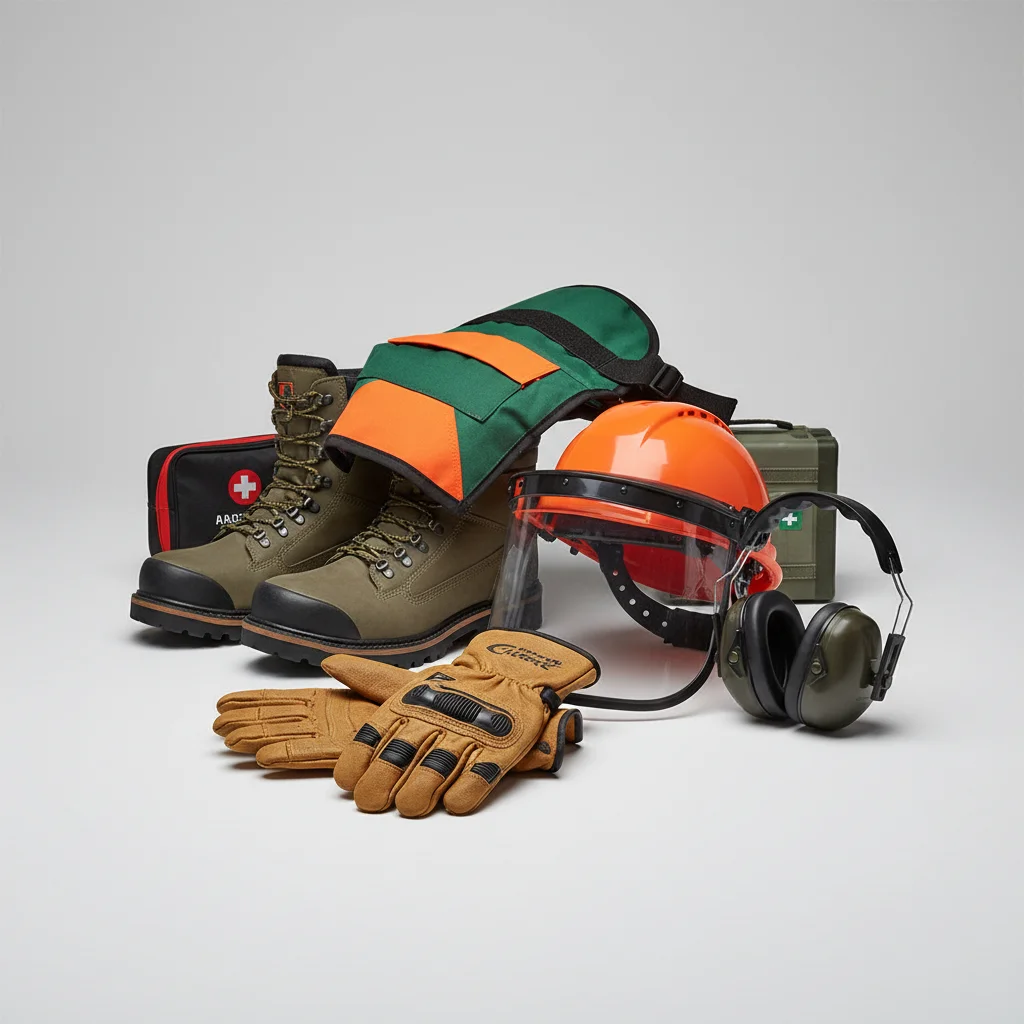
Ensuring log splitter safety is paramount to prevent serious injuries. The most critical piece of safety gear is a pair of heavy-duty work gloves, as they protect your hands from splinters, pinches, and cuts while handling logs and operating the machine. Beyond gloves, several other items are essential for a safe splitting experience.
Why Safety Gear is Non-Negotiable
Operating a log splitter involves significant risks, including crushing injuries, flying debris, and hydraulic fluid leaks. Proper safety gear acts as your first line of defense, minimizing the potential for harm. Neglecting even one piece of recommended equipment can lead to severe consequences, from minor cuts to life-altering accidents. Always prioritize your well-being over convenience.
Essential Personal Protective Equipment (PPE)
Beyond gloves, eye protection is crucial. Safety glasses or a face shield will guard against wood chips, bark, and other projectiles that can be ejected at high speeds during the splitting process. Hearing protection, such as earplugs or earmuffs, is also vital, especially when using gas-powered log splitters, which can produce noise levels that damage hearing over time. Finally, sturdy work boots with steel toes can protect your feet from falling logs or accidental impacts with the machine.
- Heavy-duty work gloves for hand protection.
- ANSI-approved safety glasses or a full face shield.
- Hearing protection (earplugs or earmuffs).
- Steel-toed work boots for foot safety.
- Snug-fitting, durable work clothes to avoid snagging.
Safe Operating Practices and Machine Checks
|
Our Picks for the Best Log Splitter in 2026
As an Amazon Associate I earn from qualifying purchases.
|
||
| Num | Product | Action |
|---|---|---|
| 1 | Kindling Cracker King XL Firewood Kindling Splitter – Extra-Large Cast Iron Wood Splitting Wedge, 9" Safety Ring, 17" Height, No Axe Needed, Made in Australia |

|
| 2 | Wood Kindling Splitter - The Firewood Kindling Tool for Wood Stove Fireplace and Fire Pit |
|
| 3 | Firewood Kindling Splitter for Wood, Heavy Duty Cast Iron Wood Splitters for Firewood with No Axe, Manual Log Splitter for Kindling Wedge Point with Safety Cover |
|
| 4 | 13.8 Inch XL Manual Log Splitter with Self-Locking V-Blade for Hands-Free Safety - Unbreakable Welded Steel Firewood Cutter - Rust-Proof Electroplated Finish for Large Rounds, Fireplace & Camping |
|
| 5 | Kindling Cracker Firewood Kindling Splitter — Original Cast Iron Wood Splitting Wedge, 6.5" Safety Ring, 12" Frame, No Axe Needed, New Zealand Designed & Australian Made |
|
| 6 | 2 Pcs 4 Lbs Wood Splitting Wedges Manual Log Splitter Wedge 4-Direction Diamond Design Forged Steel Tool for Easy Wood Splitting Splits Firewood into 4 Pieces Less Effort (Orange) |
|
| 7 | Wall Mounted Wood Splitter: Dual-Handle Manual Kindling Splitter with 6-Tooth Clamping, Heavy Duty Steel Log Splitter for Soft Firewood, Includes Gloves and Screws for Indoor and Outdoor Use |
|
| 8 | KABIN Kindle Quick Compact Log Splitter - Manual Splitting Tool - Steel Wedge Point Splits Firewood Like A Boss Safely & Easily |
|
| 9 | ESTWING Sure Split Wedge - 5-Pound Wood Splitting Tool with Forged Steel Construction & 1-7/8" Cutting Edge - E-5 |
|
| 10 | Firewood Kindling Splitter, Manual Log Splitter, Cast Iron Log Splitting Wedge, Heavy Duty Wood Splitter Tool with Cover (Black) |
|
Before even starting your log splitter, conduct a thorough inspection. Check all hydraulic lines for leaks, ensure all guards are in place, and verify that the engine or motor is in good working order. Always operate the splitter on a level, stable surface to prevent tipping. Keep the work area clear of debris and ensure no children or pets are nearby. Never operate a log splitter alone; having another person present can be critical in an emergency.
Proper Log Handling and Positioning
Incorrect log handling is a common cause of accidents. Always place logs securely on the splitting wedge, ensuring they are stable and won’t roll. Avoid splitting logs that are too long or too wide for your machine’s capacity, as this can cause the log to jam or be ejected violently. Never attempt to clear a jammed log with your hands while the machine is running; always shut off the engine and use a tool to dislodge it. Maintain a safe distance from the splitting wedge during operation.
Emergency Preparedness and First Aid
Even with all precautions, accidents can happen. Always have a well-stocked first-aid kit readily accessible in your work area. Know how to shut off your log splitter quickly in an emergency. If you are working in a remote location, ensure you have a way to communicate for help. Understanding basic first aid for cuts, bruises, and more serious injuries can make a significant difference in the outcome of an accident.
Get our weekly buyer guide
Practical specs, not advice. Unsubscribe anytime.
