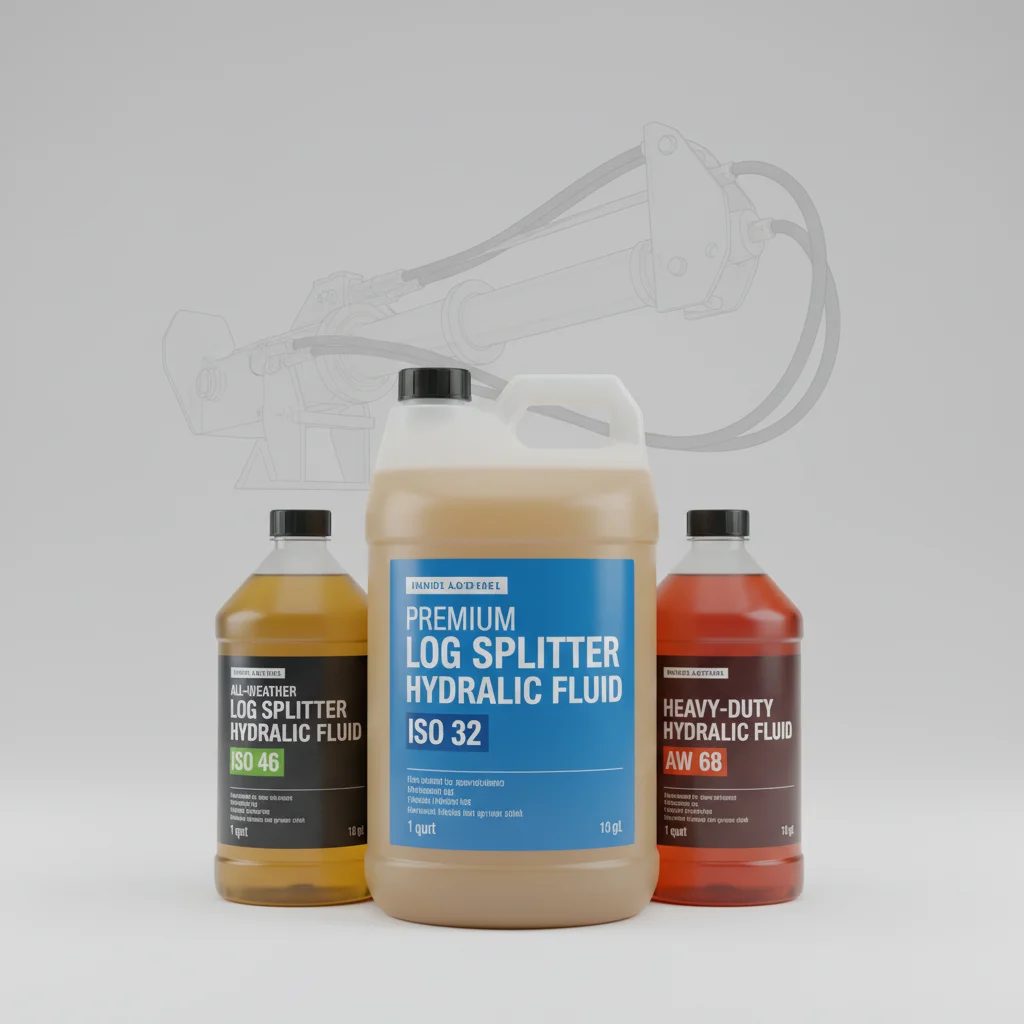
Choosing the correct hydraulic fluid viscosity for your log splitter is crucial for its performance and longevity. Most log splitters operate optimally with an AW (Anti-Wear) 32 or AW 46 hydraulic fluid, depending on the ambient temperature range of operation and the manufacturer’s specifications. Using the wrong viscosity can lead to reduced efficiency, increased wear on components, and potential system damage.
Understanding Hydraulic Fluid Viscosity Ratings
Viscosity refers to a fluid’s resistance to flow. In hydraulic systems, it’s a critical factor because it affects how well the fluid lubricates, transfers power, and dissipates heat. AW 32 fluid is thinner and generally recommended for colder climates or environments where the log splitter will be used in lower temperatures. AW 46 is thicker and better suited for warmer climates or continuous heavy-duty operation where higher temperatures are expected.
Always consult your log splitter’s owner’s manual for the manufacturer’s specific recommendations. Deviating from these guidelines can void your warranty and lead to premature component failure. Factors like pump type, operating pressure, and internal clearances are all considered by the manufacturer when specifying the ideal fluid.
Impact of Incorrect Viscosity on Log Splitter Performance
Using hydraulic fluid that is too thin (low viscosity) can result in inadequate lubrication, leading to increased friction and wear on the pump, valves, and cylinder seals. It can also cause internal leakage, reducing the splitter’s power and speed. Conversely, fluid that is too thick (high viscosity) can make the pump work harder, generate excessive heat, and lead to sluggish operation, especially in cold weather. This increased resistance can also strain the engine or motor and reduce overall efficiency.
- Reduced splitting force and speed.
- Increased wear on hydraulic pump and seals.
- Overheating of the hydraulic system.
- Difficulty starting in cold weather.
- Potential for cavitation in the pump.
When to Consider AW 32 vs. AW 46
|
Our Picks for the Best Log Splitter in 2026
As an Amazon Associate I earn from qualifying purchases.
|
||
| Num | Product | Action |
|---|---|---|
| 1 | Kindling Cracker Firewood Kindling Splitter — Original Cast Iron Wood Splitting Wedge, 6.5" Safety Ring, 12" Frame, No Axe Needed, New Zealand Designed & Australian Made |

|
| 2 | KABIN Kindle Quick Compact Log Splitter - Manual Splitting Tool - Steel Wedge Point Splits Firewood Like A Boss Safely & Easily |
|
| 3 | Wall Mounted Wood Splitter: Dual-Handle Manual Kindling Splitter with 6-Tooth Clamping, Heavy Duty Steel Log Splitter for Soft Firewood, Includes Gloves and Screws for Indoor and Outdoor Use |
|
| 4 | 2 Pcs 4 Lbs Wood Splitting Wedges Manual Log Splitter Wedge 4-Direction Diamond Design Forged Steel Tool for Easy Wood Splitting Splits Firewood into 4 Pieces Less Effort (Orange) |
|
| 5 | Firewood Kindling Splitter, Manual Log Splitter, Cast Iron Log Splitting Wedge, Heavy Duty Wood Splitter Tool with Cover (Black) |
|
| 6 | Firewood Kindling Splitter for Wood, Heavy Duty Cast Iron Wood Splitters for Firewood with No Axe, Manual Log Splitter for Kindling Wedge Point with Safety Cover |
|
| 7 | Kindling Cracker King XL Firewood Kindling Splitter – Extra-Large Cast Iron Wood Splitting Wedge, 9" Safety Ring, 17" Height, No Axe Needed, Made in Australia |
|
| 8 | ESTWING Sure Split Wedge - 5-Pound Wood Splitting Tool with Forged Steel Construction & 1-7/8" Cutting Edge - E-5 |
|
| 9 | 13.8 Inch XL Manual Log Splitter with Self-Locking V-Blade for Hands-Free Safety - Unbreakable Welded Steel Firewood Cutter - Rust-Proof Electroplated Finish for Large Rounds, Fireplace & Camping |
|
| 10 | Wood Kindling Splitter - The Firewood Kindling Tool for Wood Stove Fireplace and Fire Pit |
|
For log splitters primarily used in regions with cold winters and mild summers, AW 32 is often the preferred choice. Its lower viscosity ensures easier cold starts and smoother operation in sub-freezing temperatures. However, if your log splitter sees extensive use in hot climates or during prolonged periods of heavy splitting, AW 46 offers better protection against wear at higher operating temperatures. Some manufacturers might even recommend a multi-viscosity hydraulic fluid that performs well across a broader temperature range, offering a good compromise for varied conditions.
Checking and Maintaining Your Hydraulic Fluid
Regularly checking your log splitter’s hydraulic fluid level and condition is as important as using the correct viscosity. The fluid should be clear and free of contaminants. A milky appearance indicates water contamination, while a burnt smell suggests overheating and fluid degradation. Always check the fluid level when the log splitter is cold and on a level surface, following the dipstick or sight glass indicators. Changing the fluid according to the manufacturer’s schedule, typically every 50-100 hours of operation or annually, will help maintain peak performance and extend the life of your equipment.
Conclusion
Selecting the right hydraulic fluid viscosity, whether AW 32 or AW 46, is a critical decision that directly impacts your log splitter’s efficiency, durability, and overall performance. Always refer to your log splitter’s owner’s manual for the precise recommendation. By adhering to these guidelines and performing regular maintenance, you can ensure your log splitter operates smoothly and reliably for many seasons to come, making your firewood processing tasks easier and more effective.
Get our weekly buyer guide
Practical specs, not advice. Unsubscribe anytime.
