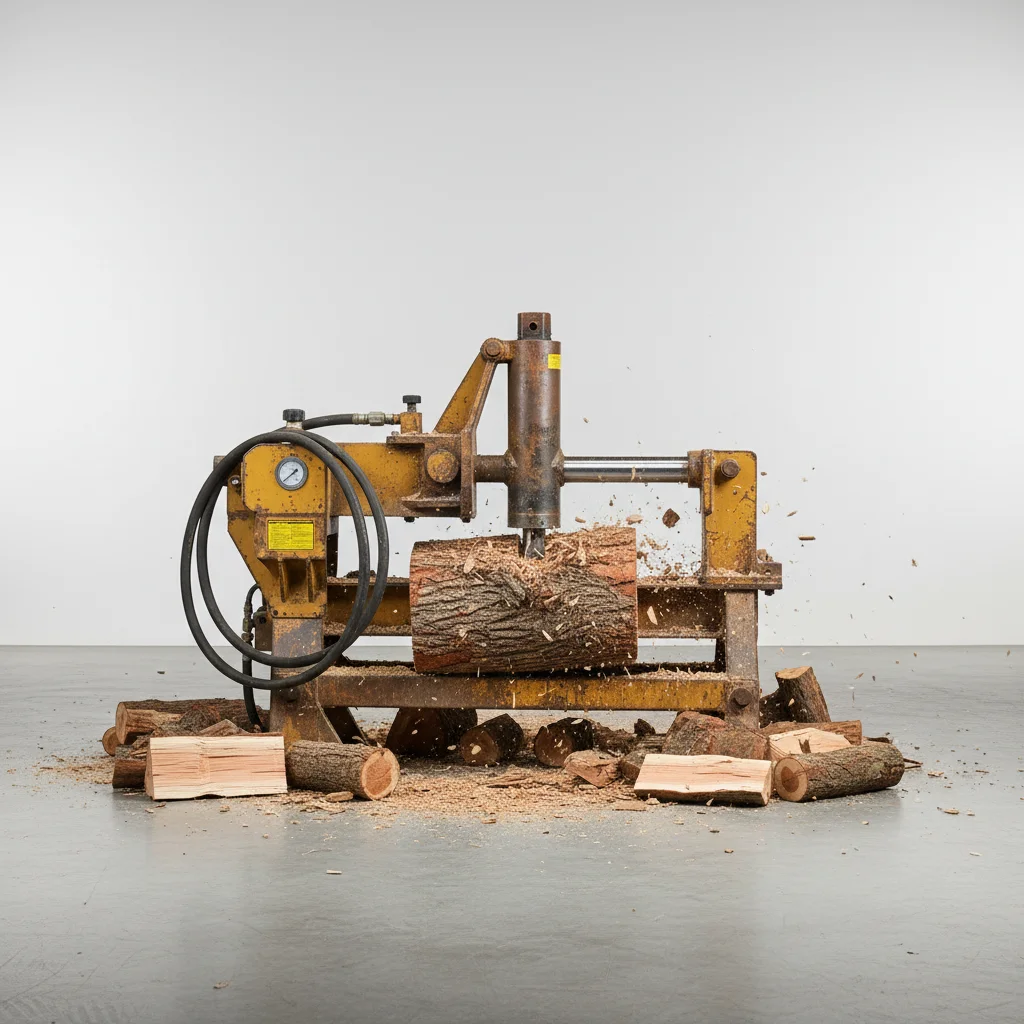
A log splitter ram can get stuck for several reasons, most commonly due to a lack of hydraulic fluid, a bent ram, or an obstruction in the splitting wedge. Addressing these issues promptly can prevent further damage and ensure your log splitter operates efficiently. Understanding the root cause is crucial for an effective repair.
Insufficient Hydraulic Fluid Levels
One of the most frequent culprits behind a stuck log splitter ram is insufficient hydraulic fluid. When the fluid level drops too low, the hydraulic system can’t generate enough pressure to retract or extend the ram smoothly. This often manifests as jerky movements or the ram stopping mid-cycle. Regularly checking your hydraulic fluid levels and topping them off with the correct type and viscosity is essential for optimal performance. A visual inspection of the fluid reservoir can quickly confirm if this is the issue.
Bent or Damaged Ram
The log splitter ram itself can become bent or damaged over time, especially if you frequently split knotty or oversized logs. A bent ram will create friction against the cylinder walls, making it difficult for the hydraulic system to move it. In some cases, the damage might be subtle and require a closer inspection. If you suspect a bent ram, it’s often best to consult a professional or consider replacing the ram assembly. Attempting to straighten a significantly bent ram yourself can lead to further complications.
Obstruction in the Splitting Wedge or Log Tray
|
Our Picks for the Best Log Splitter in 2026
As an Amazon Associate I earn from qualifying purchases.
|
||
| Num | Product | Action |
|---|---|---|
| 1 | Wood Kindling Splitter - The Firewood Kindling Tool for Wood Stove Fireplace and Fire Pit |

|
| 2 | Kindling Cracker King XL Firewood Kindling Splitter – Extra-Large Cast Iron Wood Splitting Wedge, 9" Safety Ring, 17" Height, No Axe Needed, Made in Australia |
|
| 3 | Firewood Kindling Splitter for Wood, Heavy Duty Cast Iron Wood Splitters for Firewood with No Axe, Manual Log Splitter for Kindling Wedge Point with Safety Cover |
|
| 4 | Kindling Cracker Firewood Kindling Splitter — Original Cast Iron Wood Splitting Wedge, 6.5" Safety Ring, 12" Frame, No Axe Needed, New Zealand Designed & Australian Made |
|
| 5 | KABIN Kindle Quick Compact Log Splitter - Manual Splitting Tool - Steel Wedge Point Splits Firewood Like A Boss Safely & Easily |
|
| 6 | Firewood Kindling Splitter, Manual Log Splitter, Cast Iron Log Splitting Wedge, Heavy Duty Wood Splitter Tool with Cover (Black) |
|
| 7 | ESTWING Sure Split Wedge - 5-Pound Wood Splitting Tool with Forged Steel Construction & 1-7/8" Cutting Edge - E-5 |
|
| 8 | 13.8 Inch XL Manual Log Splitter with Self-Locking V-Blade for Hands-Free Safety - Unbreakable Welded Steel Firewood Cutter - Rust-Proof Electroplated Finish for Large Rounds, Fireplace & Camping |
|
| 9 | 2 Pcs 4 Lbs Wood Splitting Wedges Manual Log Splitter Wedge 4-Direction Diamond Design Forged Steel Tool for Easy Wood Splitting Splits Firewood into 4 Pieces Less Effort (Orange) |
|
| 10 | Wall Mounted Wood Splitter: Dual-Handle Manual Kindling Splitter with 6-Tooth Clamping, Heavy Duty Steel Log Splitter for Soft Firewood, Includes Gloves and Screws for Indoor and Outdoor Use |
|
Sometimes, the problem isn’t with the log splitter’s internal components but with an external obstruction. Small pieces of wood, bark, or debris can get lodged in the splitting wedge or the log tray, preventing the ram from fully extending or retracting. Before troubleshooting internal issues, always perform a thorough visual check for any foreign objects. Clearing these obstructions can often resolve the problem instantly.
Faulty Control Valve or Pump Issues
A malfunctioning control valve can also cause the ram to stick. The control valve directs the hydraulic fluid flow, and if it’s not operating correctly, the ram might not receive the necessary pressure to move. Similarly, issues with the hydraulic pump, such as wear and tear or internal damage, can lead to insufficient pressure generation. Diagnosing a faulty control valve or pump often requires specialized knowledge and tools. If you suspect these components are at fault, professional assistance is recommended to avoid further damage to the hydraulic system.
Air in the Hydraulic System
Air trapped within the hydraulic system can create spongy or inconsistent ram movement, eventually leading to it getting stuck. Air pockets reduce the system’s efficiency and can prevent proper pressure buildup. Bleeding the air from your log splitter’s hydraulic lines is a common maintenance task that can resolve this issue. Refer to your log splitter’s manual for specific instructions on how to properly bleed the system. This process typically involves cycling the ram several times to expel any trapped air.
Preventative Measures to Avoid a Stuck Ram
- Regularly check and maintain hydraulic fluid levels.
- Inspect the ram and cylinder for any signs of damage or wear.
- Keep the splitting wedge and log tray clear of debris.
- Avoid splitting logs that exceed your splitter’s capacity.
- Perform routine maintenance as outlined in your owner’s manual.
Get our weekly buyer guide
Practical specs, not advice. Unsubscribe anytime.
