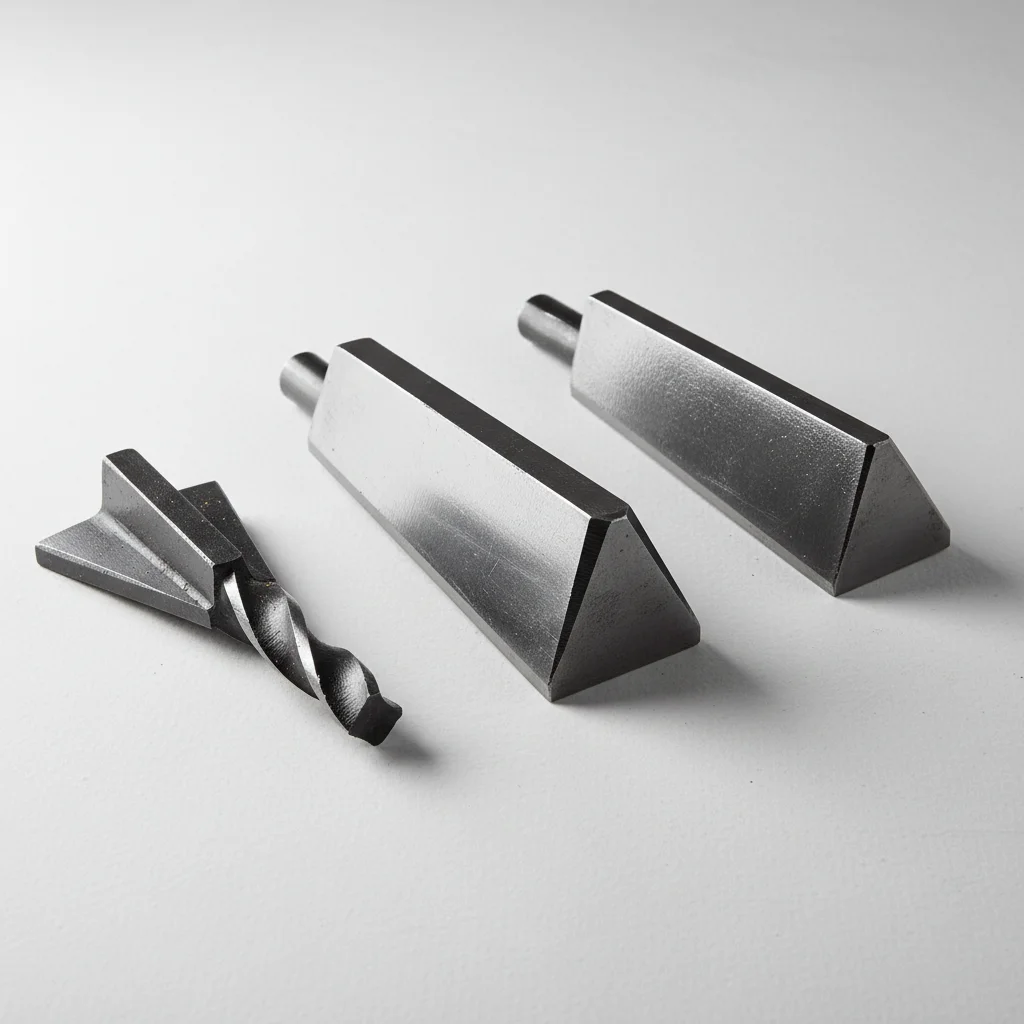
The optimal log splitter wedge angle for hardwood typically ranges from 15 to 25 degrees. This angle provides the necessary force distribution to effectively split dense wood like oak, maple, and hickory without excessive strain on the machine or the risk of the wedge getting stuck. A steeper angle (closer to 25 degrees) can be more aggressive for knotty or extremely hard pieces, while a shallower angle (closer to 15 degrees) offers a smoother split for straighter grains.
Understanding Wedge Geometry for Different Wood Types
The design of your log splitter’s wedge plays a crucial role in its efficiency. For softer woods like pine or poplar, a wider, more blunt angle might suffice, as these woods offer less resistance. However, hardwoods demand a sharper, more acute angle to initiate the split and propagate the crack through the dense fibers. A poorly chosen wedge angle can lead to logs jamming, incomplete splits, or even damage to the wedge itself over time.
Consider the type of wood you process most frequently. If you primarily deal with seasoned oak, a 20-degree angle is often a good starting point. For green, stringy woods, a slightly steeper angle can help prevent the wood from tearing rather than splitting cleanly. Experimentation within the recommended range can help you find the perfect balance for your specific needs and log splitter model.
How to Measure and Adjust Your Wedge Angle
Measuring your log splitter’s wedge angle can be done with a protractor or an angle finder tool. Ensure the wedge is clean and free of debris for an accurate reading. Most factory-set wedges fall within the standard range, but custom wedges or those that have been sharpened multiple times might deviate. Adjusting the angle typically involves grinding or filing the wedge. This process requires precision and the right tools to maintain a consistent edge and avoid creating an uneven splitting surface.
- Clean the wedge thoroughly before measuring.
- Use a digital angle finder for precise readings.
- Mark the desired angle with a scribe or marker.
- Grind slowly and evenly to avoid overheating the metal.
- Always wear appropriate safety gear, including eye protection.
The Impact of Wedge Sharpness on Splitting Performance
|
Our Picks for the Best Log Splitter in 2026
As an Amazon Associate I earn from qualifying purchases.
|
||
| Num | Product | Action |
|---|---|---|
| 1 | Firewood Kindling Splitter, Manual Log Splitter, Cast Iron Log Splitting Wedge, Heavy Duty Wood Splitter Tool with Cover (Black) |

|
| 2 | 13.8 Inch XL Manual Log Splitter with Self-Locking V-Blade for Hands-Free Safety - Unbreakable Welded Steel Firewood Cutter - Rust-Proof Electroplated Finish for Large Rounds, Fireplace & Camping |
|
| 3 | Firewood Kindling Splitter for Wood, Heavy Duty Cast Iron Wood Splitters for Firewood with No Axe, Manual Log Splitter for Kindling Wedge Point with Safety Cover |
|
| 4 | KABIN Kindle Quick Compact Log Splitter - Manual Splitting Tool - Steel Wedge Point Splits Firewood Like A Boss Safely & Easily |
|
| 5 | 2 Pcs 4 Lbs Wood Splitting Wedges Manual Log Splitter Wedge 4-Direction Diamond Design Forged Steel Tool for Easy Wood Splitting Splits Firewood into 4 Pieces Less Effort (Orange) |
|
| 6 | Kindling Cracker King XL Firewood Kindling Splitter – Extra-Large Cast Iron Wood Splitting Wedge, 9" Safety Ring, 17" Height, No Axe Needed, Made in Australia |
|
| 7 | Wood Kindling Splitter - The Firewood Kindling Tool for Wood Stove Fireplace and Fire Pit |
|
| 8 | Wall Mounted Wood Splitter: Dual-Handle Manual Kindling Splitter with 6-Tooth Clamping, Heavy Duty Steel Log Splitter for Soft Firewood, Includes Gloves and Screws for Indoor and Outdoor Use |
|
| 9 | Kindling Cracker Firewood Kindling Splitter — Original Cast Iron Wood Splitting Wedge, 6.5" Safety Ring, 12" Frame, No Axe Needed, New Zealand Designed & Australian Made |
|
| 10 | ESTWING Sure Split Wedge - 5-Pound Wood Splitting Tool with Forged Steel Construction & 1-7/8" Cutting Edge - E-5 |
|
Beyond the angle, the sharpness of your log splitter wedge significantly affects its performance. A dull wedge requires more force to penetrate the wood, leading to increased fuel consumption for gas models or higher electricity usage for electric ones. It also puts more stress on the hydraulic system and engine. Regularly inspect your wedge for nicks, burrs, or dull spots. Sharpening the wedge not only improves efficiency but also extends the lifespan of your log splitter by reducing unnecessary strain on its components.
A sharp edge initiates the split more easily, allowing the wedge’s angle to do its job effectively in separating the wood fibers. This results in cleaner, faster splits and less effort from the operator.Investing in a quality sharpening tool or having your wedge professionally sharpened can be a worthwhile endeavor for consistent, high-performance splitting.
Specialized Wedges: 4-Way and Cross Wedges
While a standard single wedge is common, specialized wedges like 4-way or cross wedges can dramatically increase efficiency, especially for larger volumes of wood. A 4-way wedge splits a log into four pieces in a single pass, saving considerable time. These wedges often have a slightly different primary angle combined with secondary angles to create the additional splitting surfaces. They are particularly effective for logs that are relatively straight-grained and free of large knots.
Cross wedges are designed to split logs into multiple pieces simultaneously, which is ideal for producing kindling or smaller firewood pieces. When using these specialized wedges, it’s still important to consider the overall geometry and how it interacts with the wood type. While they offer speed, they might require more power from your log splitter compared to a single wedge, so ensure your machine is adequately powered for such attachments.
Maintaining Your Wedge for Longevity and Performance
Proper maintenance of your log splitter wedge is essential for both performance and safety. After each use, clean any sap, wood chips, or debris from the wedge surface. This prevents buildup that can hinder its effectiveness and lead to rust. Regularly inspect the wedge for any signs of damage, such as cracks or significant wear. A damaged wedge can be dangerous and should be repaired or replaced promptly.
Lubricating the wedge with a light oil can also help reduce friction during splitting and prevent rust, especially if the log splitter is stored in a damp environment. A well-maintained wedge, with the correct angle and sharpness, ensures your log splitter operates at peak efficiency, making your firewood processing tasks easier and safer.
Get our weekly buyer guide
Practical specs, not advice. Unsubscribe anytime.
