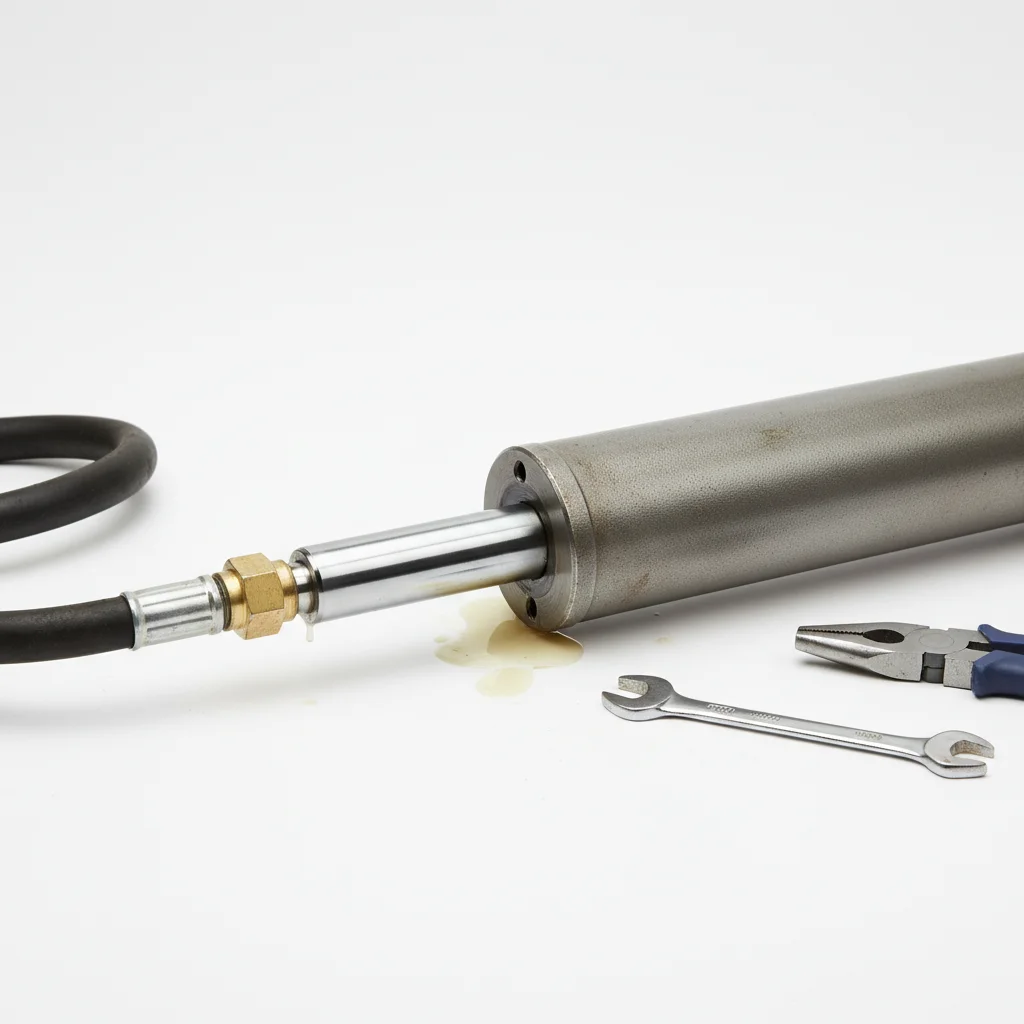
When your log splitter’s ram refuses to extend, it can bring your firewood processing to a grinding halt. The most common reasons for this issue include low hydraulic fluid, air in the hydraulic system, a faulty control valve, or a damaged hydraulic cylinder. Addressing these problems promptly can save you time and frustration, often requiring only basic tools and a bit of troubleshooting.
Checking Hydraulic Fluid Levels and Quality
One of the simplest yet most overlooked reasons for a non-extending ram is insufficient hydraulic fluid. Ensure your log splitter is on a level surface and check the fluid reservoir. If the level is low, top it off with the manufacturer-recommended hydraulic fluid. Additionally, inspect the fluid for discoloration or contaminants. Dirty or degraded fluid can impede the proper functioning of the hydraulic system, necessitating a full fluid change.
A common mistake is using the wrong type of hydraulic fluid, which can lead to poor performance and potential damage to seals and other components. Always refer to your log splitter’s owner’s manual for the correct fluid specifications. Regular fluid checks and changes are crucial for maintaining optimal performance and preventing issues like a stuck ram.
Bleeding Air from the Hydraulic System
Air trapped within the hydraulic lines can cause the ram to operate erratically or not extend at all. This is often indicated by a spongy or inconsistent ram movement. To bleed air, start the log splitter and cycle the ram back and forth several times without a log. This process helps to push any trapped air back into the reservoir where it can escape. You might need to do this for several minutes until the ram movement becomes smooth and consistent.
If the problem persists, you may need to loosen a hydraulic line fitting slightly (with extreme caution and while the machine is off) to allow air to escape, then retighten it. However, this should only be done if you are comfortable with hydraulic systems, as high-pressure fluid can be dangerous. Always wear appropriate safety gear, including eye protection and gloves, when working with hydraulic components.
Inspecting the Control Valve for Malfunctions
|
Our Picks for the Best Log Splitter in 2026
As an Amazon Associate I earn from qualifying purchases.
|
||
| Num | Product | Action |
|---|---|---|
| 1 | KABIN Kindle Quick Compact Log Splitter - Manual Splitting Tool - Steel Wedge Point Splits Firewood Like A Boss Safely & Easily |

|
| 2 | 13.8 Inch XL Manual Log Splitter with Self-Locking V-Blade for Hands-Free Safety - Unbreakable Welded Steel Firewood Cutter - Rust-Proof Electroplated Finish for Large Rounds, Fireplace & Camping |
|
| 3 | 2 Pcs 4 Lbs Wood Splitting Wedges Manual Log Splitter Wedge 4-Direction Diamond Design Forged Steel Tool for Easy Wood Splitting Splits Firewood into 4 Pieces Less Effort (Orange) |
|
| 4 | Wood Kindling Splitter - The Firewood Kindling Tool for Wood Stove Fireplace and Fire Pit |
|
| 5 | Kindling Cracker Firewood Kindling Splitter — Original Cast Iron Wood Splitting Wedge, 6.5" Safety Ring, 12" Frame, No Axe Needed, New Zealand Designed & Australian Made |
|
| 6 | Kindling Cracker King XL Firewood Kindling Splitter – Extra-Large Cast Iron Wood Splitting Wedge, 9" Safety Ring, 17" Height, No Axe Needed, Made in Australia |
|
| 7 | Wall Mounted Wood Splitter: Dual-Handle Manual Kindling Splitter with 6-Tooth Clamping, Heavy Duty Steel Log Splitter for Soft Firewood, Includes Gloves and Screws for Indoor and Outdoor Use |
|
| 8 | Firewood Kindling Splitter, Manual Log Splitter, Cast Iron Log Splitting Wedge, Heavy Duty Wood Splitter Tool with Cover (Black) |
|
| 9 | ESTWING Sure Split Wedge - 5-Pound Wood Splitting Tool with Forged Steel Construction & 1-7/8" Cutting Edge - E-5 |
|
| 10 | Firewood Kindling Splitter for Wood, Heavy Duty Cast Iron Wood Splitters for Firewood with No Axe, Manual Log Splitter for Kindling Wedge Point with Safety Cover |
|
The control valve directs the flow of hydraulic fluid to extend and retract the ram. If the valve is sticking, worn, or damaged, it can prevent the ram from moving correctly. Begin by visually inspecting the valve for any obvious signs of damage, leaks, or debris. Sometimes, simply cleaning the valve area can resolve minor sticking issues.
If the valve spool is not moving freely, it might be due to internal corrosion or a broken spring. In some cases, a professional might need to disassemble and clean the valve or replace specific components. A complete valve replacement may be necessary if the damage is extensive or if internal parts are severely worn.
Troubleshooting a Damaged Hydraulic Cylinder
A damaged hydraulic cylinder is a more serious issue but can also be the cause of a non-extending ram. Internal leaks within the cylinder, often due to worn piston seals, can prevent the ram from building sufficient pressure to extend. Signs of a failing cylinder include external fluid leaks around the rod seal or a noticeable loss of power during operation.
Diagnosing a faulty cylinder often requires specialized tools and expertise. If you suspect cylinder damage, it’s usually best to consult a qualified technician. Attempting to repair a hydraulic cylinder without proper knowledge can lead to further damage or safety hazards. In many cases, replacing the entire cylinder is a more cost-effective and reliable solution than attempting a complex repair.
Preventative Maintenance for Ram Issues
Regular maintenance is key to preventing your log splitter’s ram from failing. Here are some essential tips:
- Regularly check and maintain hydraulic fluid levels.
- Inspect hydraulic hoses and fittings for leaks or damage.
- Keep the log splitter clean, especially around the control valve and cylinder.
- Store the log splitter in a dry, protected area to prevent corrosion.
- Follow the manufacturer’s recommended service schedule for fluid changes and inspections.
By adhering to these preventative measures, you can significantly reduce the likelihood of encountering issues with your log splitter’s ram and ensure its longevity and reliable performance.
Get our weekly buyer guide
Practical specs, not advice. Unsubscribe anytime.
